
What if the very habits you adopted to feel your healthiest are actually the things keeping you exhausted and isolated? It’s incredibly frustrating to put so much effort into your nutrition only to feel physically fatigued and socially anxious. You’ve likely spent hours researching food quality, yet the constant mental chatter about what’s “pure” or “correct” never seems to quiet down. It’s a heavy burden to carry, especially when those rules start to limit your life and cause unexpected digestive distress.
Finding a dietitian for orthorexia recovery can be a vital step in reclaiming your mental freedom. You deserve to eat without panic and to feel truly nourished without the weight of rigid expectations. This article explores how professional guidance can help you transition from restrictive wellness habits toward a flexible, science-based approach to nourishment. We’ll look at how to restore your energy, quiet the food noise, and finally reconnect with the joy of eating with others.
Key Takeaways
- Recognize the difference between a helpful interest in nourishment and a rigid obsession that impacts your mental flexibility and social life.
- Understand how a dietitian for orthorexia recovery serves as a knowledgeable partner to help you filter through food myths and restore a calm mindset.
- Discover how custom meal planning provides essential “scaffolding” to quiet mental chatter and simplify daily food decisions during your recovery journey.
- Learn why a weight-inclusive and non-diet approach is fundamental to reconnecting with your body and improving your overall quality of life.
- Explore the physical benefits of food flexibility, including restored energy levels and improved digestive comfort as you move beyond restrictive habits.
What is Orthorexia? Recognizing When “Healthy” Becomes Harmful
Orthorexia Nervosa isn’t about the quantity of food you eat; it’s a deep, all-consuming obsession with the quality and purity of what’s on your plate. While a general interest in nourishment is positive, orthorexia crosses a line into a clinical obsession that strips away your mental flexibility. You might find yourself spending hours every day planning meals or researching ingredients to ensure they meet your strict standards. Although it’s not currently listed as a standalone diagnosis in the DSM-5, healthcare providers recognize it as a serious disordered eating pattern that requires compassionate support. Working with a dietitian for orthorexia recovery can help you understand this distinction and begin to loosen the grip of these rigid rules.
The paradox is often startling. By trying so hard to be “healthy,” many people inadvertently end up with nutritional gaps and chronic fatigue. When your list of “safe” foods becomes too small, your body simply doesn’t get the variety of fuel it needs to thrive. It’s a confusing cycle where the more you try to optimize your health, the more your physical vitality seems to slip away.
The Red Flags of Orthorexia in Wellness Culture
Wellness culture often masks the early signs of orthorexia by celebrating restrictive habits as “discipline.” You might notice a shift where choosing a certain food is no longer a preference but a moral requirement. If you feel intense guilt or anxiety after eating something that doesn’t fit your rules, it’s a sign that your relationship with food has become strained. This “clean eating” trap creates a moral hierarchy where some foods are seen as virtuous and others as “unclean.” This mindset often leads to social withdrawal. You might start avoiding community centres, local restaurants, or dinners at a friend’s house because you can’t control every ingredient in the kitchen.
The Physical Toll of Rigid Food Rules
Ironically, a diet that feels “perfect” on paper can lead to significant physical discomfort. When you limit food variety, your gut microbiome may suffer, leading to issues like bloating, gas, or constipation. The chronic stress of maintaining these rules also impacts your gut-brain axis. If you’re constantly on edge about food purity, your digestive system stays in a state of high alert, which can worsen nutrition for digestion problems. A dietitian for orthorexia recovery looks at these physical symptoms as clues, helping you restore both your digestive health and your peace of mind through a more inclusive way of eating.
The Role of a Dietitian for Orthorexia Recovery
Working with a dietitian for orthorexia recovery isn’t about being told what to do or being forced into a “perfect” meal plan. It is a collaborative partnership. Many people feel hesitant to seek help because they worry they’ll lose control or be pressured to eat in a way that feels unsafe. In reality, a Registered Dietitian acts as a “food rule filter.” We help you look at the rigid boundaries you’ve built around your eating and decide which ones are actually supporting your well-being and which ones are simply fuel for anxiety. The ultimate goal is to shift your focus from external, often arbitrary rules back to your own internal cues, such as honouring your hunger and recognizing fullness.
This process is about unlearning. It involves a weight-inclusive, non-diet approach that treats your body with respect regardless of its size. Instead of focusing on restriction, we focus on what food adds to your life: energy, social connection, and pleasure. Recovery is a steady journey of reclaiming your mental space from the constant chatter of food quality and purity. If you feel ready to start unlearning these rules, you can book a supportive consultation to begin your journey alongside a knowledgeable partner.
Challenging the Moral Neutrality of Food
To a Registered Dietitian, food is morally neutral. A piece of fruit isn’t “good” and a piece of cake isn’t “bad.” Neither choice makes you a better or worse person. We work with you to reintroduce “fear foods” in a safe, paced, and supported environment. This part of recovery is about building resilience and learning to trust your body again. It also involves learning how to spot red flags to watch for in nutrition advice. When you can identify misinformation, the “wellness” rules lose their power over you, allowing you to make choices based on nourishment rather than fear.
Evidence-Based Support vs. Wellness Marketing
The wellness industry is often driven by marketing rather than physiology. When comparing a dietitian vs nutritionist in Canada, it’s important to recognize that RDs are regulated health professionals held to strict scientific standards. Professionals like Rachel McBryan or Sheirry Poposka use their understanding of biochemistry to help you dismantle myths about “detoxes” or “cleanses.” We provide the clinical evidence you need to realize that your body is already equipped to handle its own filtration. This scientific clarity is a powerful tool for silencing the guilt associated with “unclean” eating.
Practical Steps: What to Expect During Nutritional Counselling
Starting the journey with a dietitian for orthorexia recovery often feels like a mixture of relief and nerves. You might wonder if you’ll be judged for your food rules or pressured to change too quickly. Your initial assessment is actually a quiet, compassionate conversation about your history. We look at where you are today and where you want to be, without any moral weight attached to your past choices. The focus isn’t on food perfection; it’s about building food flexibility so you can live a life that isn’t dictated by an ingredient list.
During these early stages, we often use custom meal planning as a form of temporary scaffolding. When your brain is tired from constant food chatter, making even simple decisions can feel impossible. These plans reduce that decision fatigue, giving you the mental space to focus on healing while ensuring your body gets the nourishment it needs. Working with a dietitian for orthorexia recovery means having a guide who understands that if you’re also managing conditions like IBS or PCOS, those needs must be integrated so your physical comfort is prioritized alongside your mental peace.
Healing the Gut-Brain Connection
When you begin to reintroduce a wider variety of foods, your digestive system might react with temporary bloating or gas. It’s common to feel discouraged, but these symptoms are often a sign that your gut is waking up and learning to process different nutrients again. We use gentle, evidence-based strategies to restore gut motility and help you manage this discomfort. It’s vital to realize that bloating is often a part of the healing process, not a reason to return to restrictive habits.
Addressing Nutrient Gaps Without Obsession
Years of restriction can sometimes leave behind real nutrient deficiencies, such as low iron or B12 levels. However, we want to avoid the “health store” trap of having dozens of supplement bottles that only fuel your obsession. This is why we utilize VitaminLab bespoke supplements. These are practitioner-guided, all-in-one formulas tailored specifically to your blood work or clinical needs. It simplifies your recovery routine into a single daily step, providing targeted support without the triggering clutter of multiple products.
Finding the Right Support: Why a Specialized RD Matters in Canada
One of the most common hurdles in seeking help is the belief that you aren’t “sick enough” to deserve professional care. It’s a misconception that often keeps people stuck in a cycle of anxiety and fatigue. You don’t need to be in a state of crisis to reach out. If your thoughts about food quality are taking up more mental space than you’d like, finding a eating disorder recovery dietitian is a proactive step toward reclaiming your life. A specialized professional acts as a steady hand, helping you filter out the noise of wellness culture while prioritizing your unique physiological needs.
Accessing a dietitian for orthorexia recovery has become significantly more convenient through virtual care. Whether you live in a busy city centre or a more remote area of British Columbia or Alberta, you can connect with an expert from the comfort of your own home. This privacy often makes it easier to open up about the complex feelings and social anxieties that accompany restrictive eating habits. It’s about meeting you where you are, both geographically and emotionally.
When to Seek Help
While recovery is a journey, there are certain physical and mental red flags that suggest it’s time to prioritize professional support. These signs indicate that your body or mind may be struggling to cope with current food rules:
- Feeling dizzy or experiencing fainting spells.
- An obsession with food purity that prevents you from socialising with friends or family.
- Noticing a rapid or irregular heart rate.
- Intense anxiety or panic when a “safe” food is unavailable.
- Physical fatigue that persists despite getting enough sleep.
Weight-Inclusive Care and Body Neutrality
In orthorexia recovery, focusing on weight loss is often counterproductive and can even reinforce the very rules we are trying to dismantle. This is why we utilize a weight-inclusive approach. You can learn more about this philosophy in our guide on is it possible to be healthy at any size. We treat your body as morally neutral, focusing on how you feel and function rather than a number on a scale. In some clinical cases, tools like the InBody scan may be used to monitor cellular health and hydration, but these are always handled with extreme care to ensure they don’t become new sources of obsession or triggers.
Your Next Steps Toward Freedom
Recovery isn’t about giving up your health; it’s about expanding your definition of it to include joy, flavour, and energy. It’s a process of adding more to your life rather than taking things away. If you feel ready to explore a more flexible relationship with food, we invite you to contact Wise Eats. Booking a discovery call allows you to see if our approach feels right for you and your specific goals. You deserve to move through the world without the constant weight of food rules holding you back.
About the Authors
This information was prepared by our team of Registered Dietitians. Rachel McBryan is a Registered Dietitian licensed in British Columbia, and Sheirry Poposka is a Registered Dietitian licensed in Alberta. Both are dedicated to providing weight-inclusive, compassionate care that helps Canadians move beyond restrictive eating and rediscover a zest for life. We encourage you to work alongside your healthcare team to develop a balanced and sustainable approach to your well-being.
Reclaiming Your Zest for Life Beyond Food Rules
Moving away from a life dictated by food purity is a brave and rewarding shift. You’ve learned that orthorexia is less about the food itself and more about the rigid rules that steal your energy and social connection. Choosing to work with a dietitian for orthorexia recovery allows you to shift your focus from rigid restriction to true nourishment. Our team provides an evidence-based, non-diet approach that prioritizes your mental peace and physical comfort. Whether you’re navigating digestive health concerns or looking to unlearn wellness myths, we are here as your knowledgeable partners.
Rachel McBryan (licenced in BC) and Sheirry Poposka (Registered Dietitian in Alberta) offer specialized support in eating disorder recovery. We use tools like custom meal planning as supportive scaffolding to help you reconnect with your body’s internal cues. Recovery is possible, and it starts with the realization that you deserve a life filled with more flavour and less fear. You don’t have to navigate this confusing landscape alone.
Take that first step toward a flexible, nourishing relationship with food. Your future self, full of energy and free from food noise, is waiting for you to begin.
Frequently Asked Questions
Can a dietitian help with orthorexia if I still want to be healthy?
Yes, a dietitian helps you expand your definition of health to include mental well-being and social connection. We work together to ensure you’re getting the nourishment your body needs without the stress of rigid rules. It’s about finding a balance where you can enjoy food and feel physically vibrant at the same time. True health involves a calm relationship with food that doesn’t cause anxiety or isolation.
What is the difference between a dietitian and a nutritionist for orthorexia recovery in Canada?
The primary difference is regulation and clinical accountability. In Canada, Registered Dietitians are regulated health professionals held to strict ethical and scientific standards. While “nutritionist” is a title anyone can use in some provinces, RDs in Alberta and BC must have specific university training and clinical experience. This ensures you receive evidence-informed care from a professional who understands the complexities of eating disorder recovery.
Do I have to follow a rigid meal plan to recover from orthorexia?
No, you won’t be forced into a new set of rigid rules. While we may use custom meal planning as a temporary tool, its purpose is to reduce the decision fatigue that often comes with food anxiety. It acts as a supportive guide to help you transition toward eating based on your body’s natural hunger and fullness cues. The goal is always to move toward more flexibility, not less.
How long does it typically take to recover from orthorexia with professional help?
Recovery is a highly individual process and the timeline can vary for everyone. Some people may notice improvements in their mental chatter and energy levels within a few months; others might require longer-term support to fully unlearn deep-seated habits. A dietitian for orthorexia recovery provides a steady, encouraging presence as you navigate these changes at a pace that feels safe for you.
Will a dietitian for orthorexia recovery focus on my weight?
A dietitian for orthorexia recovery focuses on your overall well-being and relationship with food rather than weight. We utilize a weight-inclusive and body-neutral approach, which means we treat all bodies with respect regardless of their size. Our goal is to help you restore your energy and quality of life by focusing on nourishment and food flexibility. We view your body as morally neutral and focus on how you feel and function.
Is virtual dietitian support effective for eating disorder recovery?
Virtual support is a highly effective way to receive specialized care from the comfort of your own home. It offers the same level of clinical expertise as in-person visits while providing extra privacy and convenience for residents across British Columbia and Alberta. This format can often make it easier to integrate new eating habits into your actual daily environment while staying connected to your support team.
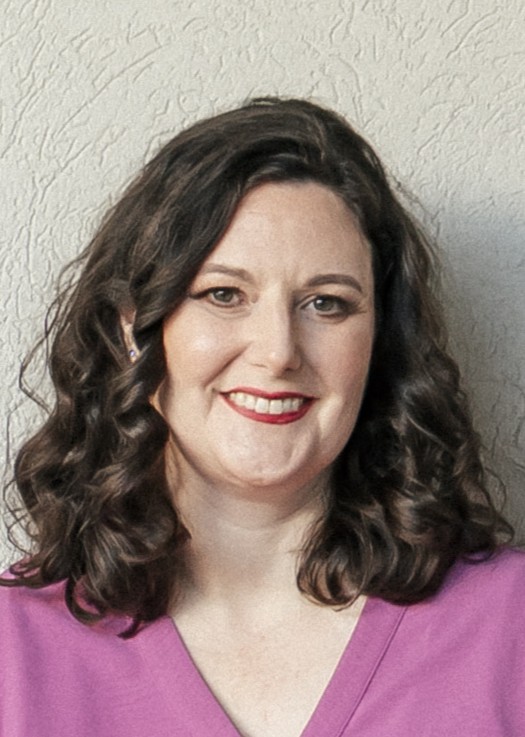
Article by
Rachel McBryan, Dietitian
Rachel McBryan is a licenced Dietitian in British Columbia offering comprehensive nutrition counselling as virtual and/or in-person counselling sessions to suit your needs and preferences. With a Bachelor of Science in Nutrition and Food Science, Rachel has over 20 years experience helping people address their health through nutrition. She was awarded Human Nutrition and Food Science BSc.from University of Alberta followed by post-grad course work at UBC in guidance counselling.
An eating disorder is a serious mental health illness.
If you are in immediate distress or crisis, please contact emergency services by dialing 911 or calling Vancouver Island Crisis Line: 1-888-494-3888. This article is educational information only, not professional diagnosis or treatment. Content is AI generated and may not be reviewed for accuracy.