
An eating disorder is a serious mental health illness.
If you are in immediate distress or crisis, please contact emergency services by dialing 911 or calling Vancouver Island Crisis Line: 1-888-494-3888. A dietitian, psychologist, psychiatrist, and medical team work together to support eating disorder recovery.
This article is educational information only, not professional diagnosis or treatment. Content is AI generated and may not be reviewed for accuracy.
What if the very food meant to nourish your body didn’t feel like a hidden minefield? If you’re living with IBD in Canada, you likely know the paralyzing fear of a potential flare-up all too well. You’ve probably heard a dozen different versions of what you "should" eat, only to find that the advice contradicts itself at every turn. It’s frustrating to feel like you’re losing the joy of eating to a long list of restrictions. Partnering with a specialized Crohn’s disease dietitian can provide the clarity you need to move forward with confidence instead of caution.
We understand that managing your health is about more than just avoiding triggers; it’s about reclaiming your quality of life. In this guide, we’ll explore how a personalized nutrition roadmap can help you manage symptoms like pain or bloating and address the fatigue that often comes from nutrient gaps. You’ll discover how tailored meal ideas and evidence-informed supplement strategies can help you feel more like yourself again. Let’s look at how you can start dining out and enjoying your favourite meals without the constant shadow of anxiety.
This article is for general educational purposes and is not a substitute for individualized medical or nutrition advice. Please speak with a physician, nurse practitioner, pharmacist, or registered dietitian for guidance tailored to your specific needs.
Key Takeaways
- Understand the legal importance of the “Registered Dietitian” title in Canada and how it protects you as a patient seeking specialized IBD care.
- Learn the difference between eating for a flare-up and eating for remission to help manage digestive symptoms like bloating and pain more effectively.
- Discover why working with a specialized Crohn’s disease dietitian can help reduce food anxiety and prevent the risks associated with over-restricting your diet.
- Find out how to use clinical lab results and structured observations to build a personalized nutrition roadmap that includes meal ideas and supplement strategies.
- Explore the benefits of virtual nutrition counselling to access expert guidance and custom meal planning from the comfort of your home across Canada.
Table of Contents
-
What is a Crohn’s Disease Dietitian and Why Does the Title Matter?
-
The Science of Medical Nutrition Therapy for Crohn’s and Colitis
-
Overcoming Food Anxiety: How an IBD Dietitian Helps You Expand Your Diet
-
5 Steps to Building a Sustainable Crohn’s Nutrition Strategy
-
Personalized IBD Support: How Wise Eats Registered Dietitians Guide Your Journey
What is a Crohn’s Disease Dietitian and Why Does the Title Matter?
When you’re managing a complex condition like Crohn’s disease, the advice you follow matters. You’ve likely seen many people online calling themselves "nutritionists" or "health coaches," but there’s a significant difference between general wellness advice and clinical nutrition therapy. A specialized Crohn’s disease dietitian is a regulated health professional who translates complex medical science into practical, everyday eating habits that respect your body’s needs.
Think of your dietitian as the essential link between your gastroenterologist’s medical plan and your dinner table. While your doctor focuses on managing inflammation through medication or surgery, your dietitian focuses on how those choices interact with your nutrition. They help you understand how to nourish yourself when your digestive system isn’t working at its full capacity, ensuring you don’t have to face the grocery store aisles alone.
To better understand this concept, watch this helpful video:
The Legal Protection of the ‘Dietitian’ Title in Canada
In Canada, the title "Registered Dietitian" (RD) isn’t just a label; it’s a legal safeguard. Across all provinces, including British Columbia, the law protects this title to ensure you receive safe, evidence-based care. To become an RD, a professional must complete a rigorous four-year university degree in human nutrition followed by a supervised clinical internship. They must also pass the Canadian Dietetic Registration Examination and maintain registration with their provincial regulatory college.
Choosing a regulated professional means your provider is held to high ethical and clinical standards. Unlike the term "nutritionist," which isn’t regulated in most of Canada, the RD designation guarantees that your practitioner has the training to handle medically complex cases. It’s about your peace of mind, knowing the person guiding your diet understands the science of your condition.
How an IBD-Focused Dietitian Differs from a Generalist
While any dietitian can help with healthy eating, a Crohn’s disease dietitian specializes in the specific pathology of inflammatory bowel disease. They understand that Crohn’s is very different from Irritable Bowel Syndrome (IBS) or general digestive upset. Their expertise covers specialized areas such as:
-
Micronutrient absorption: Identifying and addressing common deficiencies in Iron, B12, and Vitamin D.
-
Surgical nutrition: Creating plans for those managing strictures, resections, or ostomies.
-
Clinical lab interpretation: Coordinating with your medical team to adjust your nutrition based on your latest blood work or calprotectin levels.
If you’re ready to move beyond generic advice and want a plan tailored to your unique health history, you can reach out to us to learn more about our approach. Having a knowledgeable partner by your side can make all the difference in how you feel each day.
This article is for general educational purposes and is not a substitute for individualized medical or nutrition advice. Please speak with a physician, nurse practitioner, pharmacist, or registered dietitian for guidance tailored to your specific needs.
The Science of Medical Nutrition Therapy for Crohn’s and Colitis
Medical Nutrition Therapy (MNT) sounds technical, but it’s really a roadmap for using food to support your medical treatment. It’s a clinical process where a Crohn’s disease dietitian assesses your unique needs to help manage inflammation. By aligning your plate with your body’s current state, you can often find more relief than by following generic advice found online. This isn’t about following a rigid set of rules forever. Instead, it’s a dynamic strategy that shifts as your symptoms change.
Your gut is home to trillions of bacteria that play a massive role in your immune system. While biological medications do the heavy lifting to stop inflammation, MNT helps create an environment where these drugs can work effectively. It’s about teamwork between your prescription and your nutrition. This evidence-based approach, often referred to as Eating, Diet, & Nutrition for Crohn’s Disease, focuses on long-term wellness rather than quick fixes. When you’re in remission, we focus on safely expanding your food variety to feed those beneficial gut bacteria, which can help keep the peace in your digestive tract.
Managing Nutrition During an Active Crohn’s Flare
When symptoms are high, your gut needs a chance to rest. The goal is to maintain your energy levels without causing further irritation. This often involves a low-residue or "low-fibre" approach, where we choose foods that are easier for your system to break down. In some cases, temporary liquid nutrition might be used to ensure you’re getting enough calories during acute inflammation. It’s a gentle way to provide the building blocks your body needs for repair while reducing the workload on your intestines.
Hydration is also vital. When you’re experiencing frequent diarrhea, drinking plain water might not be enough to replace lost minerals. Electrolyte-balanced fluids can help keep your energy up and prevent the brain fog associated with dehydration. We look for solutions that are easy on the stomach but effective for recovery.
Nutrient Malabsorption: The Hidden Challenge of IBD
Crohn’s often affects the end of the small intestine, known as the ileum. This is exactly where your body absorbs critical nutrients like Vitamin B12 and bile salts. If this area is inflamed, you might face deficiencies even if you’re eating a nutrient-dense diet. It’s a mechanical issue of uptake, not just a dietary choice.
Common gaps we see include B12, Iron, Vitamin D, and Zinc. Chronic fatigue is often a sign that your body isn’t getting what it needs to function properly. This is why personalized vitamin and mineral supplements are such a key part of a clinical nutrition plan. By reviewing your lab work, we can identify exactly which nutrients need a boost to help you reclaim your energy.
This article is for general educational purposes and is not a substitute for individualized medical or nutrition advice. Please speak with a physician, nurse practitioner, pharmacist, or registered dietitian for guidance tailored to your specific needs.
Overcoming Food Anxiety: How an IBD Dietitian Helps You Expand Your Diet
Have you ever looked at a restaurant menu and felt a wave of dread instead of excitement? For many Canadians living with IBD, a plate of food can start to feel like a hidden minefield. This "fear of food" isn’t just in your head; it’s a natural response to the physical trauma of past flares. When eating has caused pain in the past, your brain tries to protect you by making you wary of anything new. However, this survival mechanism can sometimes lead to a cycle of restriction that makes life feel very small. Partnering with a Crohn’s disease dietitian is about more than just managing a flare; it’s about rebuilding your confidence so you can find joy in eating again.
We use tools like food journaling to help you gather data about your body, but we approach it differently than you might expect. Instead of using a journal to track "mistakes" or find things to cut out, we use it as a tool for empowerment. It helps us differentiate between a true food trigger and a temporary symptom caused by stress, lack of sleep, or a change in medication. By looking at the big picture, we can help you realize that you might have more options than you originally thought. If you’re unsure where to start with tracking your symptoms, our compassionate checklist for understanding digestive issues can help you identify patterns and prepare for a productive conversation with a dietitian for bloating and gas.
The Cycle of Fear: Why Cutting More Foods Often Backfires
It’s tempting to keep removing foods from your diet whenever you feel a twinge of discomfort. But when your list of "safe" foods becomes too short, your gut microbiome may lose the diversity it needs to stay resilient. This can lead to dysbiosis, where the balance of your gut bacteria is disrupted, potentially making you even more sensitive to new foods. There’s also a psychological risk to consider. Constant, rigid restriction can sometimes lead to disordered eating patterns like Orthorexia, where the focus on "pure" or "safe" eating becomes an overwhelming burden. An expert guide helps you break this cycle by safely reintroducing variety in a way that feels manageable for your system.
Trigger Identification vs. Myth-Busting
The internet is full of "gurus" claiming that everyone with Crohn’s must avoid gluten, dairy, or sugar. The reality is that IBD is highly individual. What causes a flare for one person might be perfectly fine for you. We focus on the science of individual tolerance rather than universal myths. For example, many people are told to avoid gluten entirely, but a true requirement for a strict celiac disease diet applies only to those with a confirmed celiac diagnosis — not everyone with Crohn’s. We can help you explore ways to reintroduce fibre safely, such as:
-
Choosing well-cooked or pureed vegetables instead of raw ones.
-
Testing small amounts of soluble fibre to support your microbiome.
-
Adjusting food textures to make them more "gut-friendly" during transition periods.
If you’re feeling stuck in a cycle of fear and want to start expanding your plate, you can connect with us to discuss a path forward. Reclaiming your relationship with food is a journey, and you don’t have to walk it alone.
This article is for general educational purposes and is not a substitute for individualized medical or nutrition advice. Please speak with a physician, nurse practitioner, pharmacist, or registered dietitian for guidance tailored to your specific needs.
5 Steps to Building a Sustainable Crohn’s Nutrition Strategy
Creating a nutrition plan that actually sticks requires more than just willpower; it needs a solid framework. A Crohn’s disease dietitian doesn’t just give you a list of "no" foods. Instead, they help you build a strategy that grows with you. This methodical approach takes the guesswork out of your daily meals and replaces it with a clear, actionable path forward. When we work together, we look at your life through a lens of possibility rather than limitation.
-
Step 1: Clinical Assessment and Lab Review. We start by looking at your recent blood work. We check for common gaps in Iron, B12, and Vitamin D to understand why you might be feeling fatigued.
-
Step 2: Identifying Personal Triggers. Through structured observation, we’ll help you pinpoint which foods truly affect you. This is about data, not myths.
-
Step 3: Crafting a Custom Meal Plan. We build a plan that matches your current disease state, whether you’re managing a flare or maintaining remission.
-
Step 4: Implementing a Personalized Supplement Plan. We identify exactly which vitamins or minerals your body might be struggling to absorb to help close those nutritional gaps.
-
Step 5: Ongoing Monitoring and Adjustment. Crohn’s isn’t static. Your nutrition strategy shouldn’t be either. We adjust your plan as your symptoms and lifestyle evolve.
Custom Meal Planning for the Real World
A meal plan is only useful if it fits into your actual life. We know that Canadians are busy, and you need options that work for hectic mornings or long workdays. Our approach to custom meal planning focuses on making "safe" food taste delicious. You shouldn’t have to choose between comfort and flavour. We also provide strategies for dining out and attending social events, so you can enjoy your time with friends without the constant stress of "what if."
Personalized Vitamin and Mineral Supplementation
Many people reach for "off-the-shelf" multivitamins, but these can sometimes be ineffective or even irritating for someone with IBD. Because Crohn’s often affects the ileum, your absorption patterns are unique. We focus on personalized vitamin and mineral supplements that use high-quality, bioavailable forms of nutrients. This ensures your body can actually use what you’re taking. By tailoring the dosage to your specific needs, we can help you address deficiencies more efficiently than a one-size-fits-all approach.
Ready to move from confusion to a clear plan? You can book a consultation to start building your personalized roadmap today.
This article is for general educational purposes and is not a substitute for individualized medical or nutrition advice. Please speak with a physician, nurse practitioner, pharmacist, or registered dietitian for guidance tailored to your specific needs.
Personalized IBD Support: How Wise Eats Registered Dietitians Guide Your Journey
Having a knowledgeable partner in your corner provides more than just meal ideas. It offers a sense of advocacy. We help you translate your doctor’s clinical goals into the reality of what you put on your fork every day. This long-term relationship allows us to be proactive. When your life changes, your nutrition can change with it, ensuring you always have a strategy that reflects your current health status. We’re here to help you move from a state of uncertainty toward a sense of clarity and hope.
Virtual Care: Expert Guidance from the Comfort of Home
Finding a specialist who truly understands IBD can be a challenge depending on where you live in Canada. Our virtual nutrition counselling services bridge that gap, providing expert guidance across the country. You can discuss your health in a private, secure online environment that respects your comfort. This model is particularly helpful during flares when leaving the house might feel overwhelming. Wise Eats Registered Dietitians manage the logistics of provincial licensing so you can focus entirely on your well-being. It’s about making professional support accessible, flexible, and entirely human-centric.
Your Next Steps Toward Food Freedom
You might feel like food freedom is a distant dream, but it’s a goal we can work toward together. Your first session is a chance for us to listen. We’ll look at your lab results, talk about your favourite foods, and discuss the symptoms that bother you most. You won’t find any shaming or rigid "dos and don’ts" here. Instead, you’ll find a clear path toward better digestive health. If you’re ready to take that step, you can book your personalized Crohn’s nutrition assessment with Wise Eats Registered Dietitians. We’ll help you prepare for that first meeting so you feel confident and ready to reclaim the joy of eating.
When to Seek Help
IBD is a serious medical condition that requires close monitoring. While nutrition is a powerful tool for management, it is not a replacement for medical intervention. It is important to seek immediate medical attention from your physician or go to the nearest emergency room if you experience severe abdominal pain, high fever, persistent vomiting, or significant rectal bleeding. A dietitian is a key part of your long-term management team, but acute medical crises require urgent clinical assessment and care from your medical doctors.
This article is for general educational purposes and is not a substitute for individualized medical or nutrition advice. Please speak with a physician, nurse practitioner, pharmacist, or registered dietitian for guidance tailored to your specific needs.
Reclaiming Your Relationship with Food
Living with IBD doesn’t have to mean living with a permanent sense of restriction. By moving away from generic advice and toward an evidence-based plan, you can begin to understand your body’s unique signals. A specialized Crohn’s disease dietitian helps you bridge the gap between clinical needs and the reality of your kitchen. From addressing nutrient gaps to safely expanding your food variety, the goal is to put you back in the driver’s seat.
Our team of Registered Dietitians brings clinical expertise in digestive health directly to you through national virtual care accessible across Canada. We’re ready to help you build a personalized roadmap that includes meal plans tailored to your specific flare or remission states. If you’re ready to lower the stress around mealtime, you can book a consultation with a Canadian Registered Dietitian specializing in Crohn’s today.
You don’t have to navigate this journey alone. With the right partner, a more peaceful relationship with food is within reach.
This article is for general educational purposes and is not a substitute for individualized medical or nutrition advice. Please speak with a physician, nurse practitioner, pharmacist, or registered dietitian for guidance tailored to your specific needs.
Frequently Asked Questions
Can a dietitian help me get into remission for Crohn’s disease?
A dietitian works as part of your healthcare team to support the goal of clinical remission. While medication is typically the primary tool for reducing inflammation, evidence-informed nutrition strategies can help maintain remission and manage symptoms during flares. In some cases, specialized liquid diets may be used under medical supervision to support the healing process. Your Crohn’s disease dietitian focuses on creating an environment where your body can heal and your treatments can work effectively.
Is a registered dietitian covered by private insurance in Canada?
Most extended health benefit plans offered by Canadian employers cover the cost of seeing a Registered Dietitian. While these services aren’t typically covered by basic provincial health plans like MSP, they are recognized as a qualifying medical expense for your Canadian income tax return. It’s always a good idea to check your specific policy details to see if you have a yearly cap or if a doctor’s note is required for reimbursement.
What is the difference between a Crohn’s dietitian and a nutritionist?
The primary difference is regulation and the legal protection of the title. In British Columbia, "Registered Dietitian" is a protected title that requires a university degree, a supervised clinical internship, and passing a national exam. The term "nutritionist" is not regulated in many provinces, so it doesn’t guarantee a specific level of education or clinical training. For a complex condition like IBD, working with a regulated professional ensures you receive safe, evidence-based care.
Should I follow the Low FODMAP diet if I have Crohn’s disease?
The Low FODMAP diet can sometimes help manage functional symptoms like gas and bloating that often overlap with IBD. However, it isn’t a treatment for the underlying inflammation of Crohn’s itself. Because this diet is highly restrictive, it’s best to use it only under professional guidance for a short period. A specialized Crohn’s disease dietitian can help you identify if this approach is appropriate for your current disease state without the risk of over-restriction.
How do I know if I need a personalized supplement plan for my IBD?
Can a dietitian help if I’ve had surgery for Crohn’s?
Dietitians provide vital support for recovery and long-term management after bowel surgery. If you’ve had a resection or have an ostomy, your nutritional needs and absorption patterns will change. We can help you adjust food textures and timing to prevent complications like blockages while ensuring you’re getting enough energy to heal. This support is tailored to help you navigate the unique mechanical challenges that can follow surgical interventions for Crohn’s.
How long does it take to see results from working with an IBD dietitian?
The timeline for seeing changes is highly individual and depends on your current health status. You might notice improvements in digestive comfort, such as reduced bloating or better stool consistency, within a few weeks of making dietary adjustments. However, correcting long-standing nutrient deficiencies or rebuilding a diverse gut microbiome can take several months. We focus on sustainable progress rather than quick fixes to ensure your long-term wellness and energy levels.
Do I need a doctor’s referral to see a dietitian at Wise Eats Registered Dietitians?
You don’t need a formal referral from a doctor to book a session with us. We are primary access health professionals, meaning you can reach out directly to start your nutrition journey. However, it’s worth noting that some private insurance companies still require a doctor’s referral before they will reimburse you for the cost of the session. We recommend checking with your insurance provider first if you plan to submit a claim for your consultation.
Additionally, if you have been diagnosed with or are concerned about celiac disease alongside your IBD, our guide to the celiac disease diet and gluten-free living in Canada can help you understand the distinct dietary requirements involved.
This article is for general educational purposes and is not a substitute for individualized medical or nutrition advice. Please speak with a physician, nurse practitioner, pharmacist, or registered dietitian for guidance tailored to your specific needs.
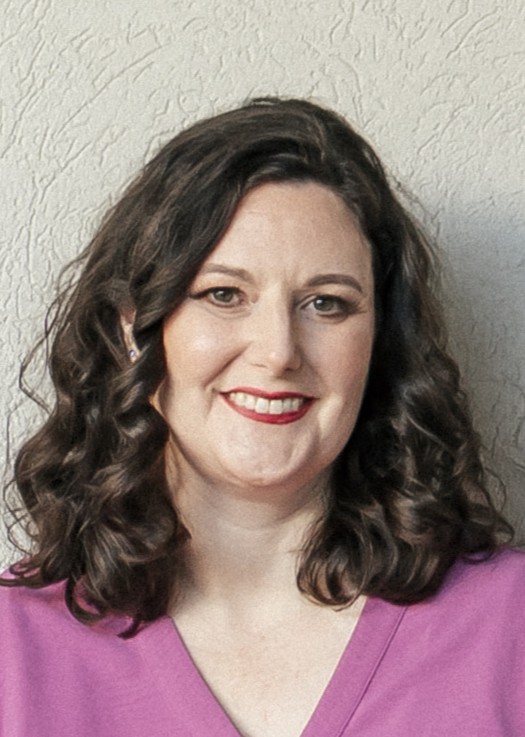
Article by
Rachel McBryan, Dietitian
Rachel McBryan is a licenced Dietitian in British Columbia offering comprehensive nutrition counselling as virtual and/or in-person counselling sessions to suit your needs and preferences. With a Bachelor of Science in Nutrition and Food Science, Rachel has over 20 years experience helping people address their health through nutrition. She was awarded Human Nutrition and Food Science BSc.from University of Alberta followed by post-grad course work at UBC in guidance counselling.