
An eating disorder is a serious mental health illness.
If you are in immediate distress or crisis, please contact emergency services by dialing 911 or calling Vancouver Island Crisis Line: 1-888-494-3888. A dietitian, psychologist, psychiatrist, and medical team work together to support eating disorder recovery.
This article is educational information only, not professional diagnosis or treatment. Content is AI generated and may not be reviewed for accuracy.
What if the reason you struggle to keep the weight off isn’t a lack of willpower, but your body’s natural biological response to restriction? It is incredibly draining to feel like a failure every time a diet ends, especially when you are left with physical fatigue and a constant preoccupation with food. You aren’t alone in this cycle, and your feelings of frustration are completely valid. Working with a weight maintenance dietitian can help you move away from the restrictive patterns that often lead to weight cycling.
In this guide, you will learn evidence-informed strategies to break the loop and build a sustainable, peaceful relationship with food. We will explore how to stabilize your eating habits and support your metabolic health without the burden of guilt. This article is for general educational purposes and is not a substitute for individualized medical or nutrition advice; please speak with a physician, nurse practitioner, or registered dietitian for guidance tailored to your specific needs.
Key Takeaways
- Recognize the cycle of weight regain and the emotional impact of the “shame cycle” common in Canadian diet culture.
- Understand the biological shifts in hunger and fullness hormones that can make your body resist rapid weight changes.
- See why generic diets are often ineffective and how a weight maintenance dietitian creates a personalized framework for stability.
- Learn actionable steps to end the cycle of restriction and focus on balanced meals that support your metabolic health.
- Discover the benefits of partnering with a regulated health professional for compassionate, evidence-informed nutrition support.
Understanding Yo-Yo Dieting and the Weight Cycling Cycle
Have you ever felt like you were finally on the right track, only to find the weight returning a few months later? This experience is often called What is yo-yo dieting?. It describes the repetitive pattern of losing weight and then regaining it. For many Canadians, this cycle isn’t just a physical challenge; it’s an emotional one. It often leads to a “shame cycle” where you might blame yourself for a perceived lack of willpower. A weight maintenance dietitian understands that this isn’t a personal failure. Instead, it’s usually the natural result of using unsustainable, overly restrictive methods that don’t fit into your actual life. Replacing temporary, high-intensity dieting with lifestyle integration is the professional alternative that focuses on long-term stability.
The Problem with Restrictive Dieting Culture
Canadian society often praises the “quick-fix.” We see it in magazines and social media ads every day. This culture creates immense pressure to see results immediately. However, when we follow rigid food rules, we often end up fighting our own biology. Willpower is a finite resource. It’s often insufficient when your body is sending loud hunger signals because it isn’t getting what it needs. A more helpful approach involves shifting focus from restrictive rules to health-promoting behaviours that you actually enjoy. This helps lower the anxiety around eating and replaces it with a sense of clarity.
Why Your Body May Resist Rapid Changes
Why does the body seem to fight back? One common explanation is the “set point theory.” Think of your body like a thermostat. It tries to keep your weight within a specific range to keep you safe. When you restrict food heavily, your body doesn’t know you’re on a diet; it thinks you are experiencing a famine. To protect you, it may slow down your metabolic rate and try to preserve energy. Over time, frequent weight cycling can impact your muscle mass and how your body uses energy. Working with a weight maintenance dietitian can help you navigate these biological responses with compassion rather than force.
This article is for general educational purposes and is not a substitute for individualized medical or nutrition advice. Please speak with a physician, nurse practitioner, pharmacist, or registered dietitian for guidance tailored to your specific needs.
The Biology of Why Your Body Resists Weight Changes
If you’ve ever felt like your hunger is working against you, it’s because it probably is. Your body uses a complex system of chemical messengers to tell you when to eat and when to stop. Two key players in this system are leptin and ghrelin. Leptin is often called the “fullness” hormone. It’s produced by fat cells and tells your brain you have enough energy stored. Ghrelin is the “hunger” hormone. It rises when your stomach is empty, prompting you to seek food. When you engage in chronic restriction, these signals can get out of sync. Your leptin levels may drop while ghrelin spikes. This creates a physiological state where you feel hungry more often and rarely feel truly satisfied.
While these shifts are meant to protect you from starvation, they often lead to the dangers of yo-yo dieting, where the body becomes increasingly efficient at storing energy and resisting loss. Your body is incredibly smart. It views a calorie deficit as a threat to your survival. To preserve energy, it may lower your body temperature or make you feel more lethargic. These aren’t signs of a broken metabolism, but rather a protective biological mechanism. You aren’t failing; your body is simply doing its job to keep you alive. Working with a weight maintenance dietitian allows you to work with your biology instead of against it.
Hormonal Shifts and Heightened Hunger Cues
Once a restrictive diet ends, many people experience “hunger on overdrive.” This isn’t because you lack discipline. It’s a direct physiological response to the period of scarcity your body just endured. A weight maintenance dietitian can help you understand these signals. Instead of fighting your body, you can learn to re-centre and trust your internal cues again. This process takes time and patience, but it is a vital step toward stability and long-term wellness.
The Mental Load of Constant Food Tracking
Deprivation doesn’t just affect your stomach; it affects your mind. You might notice “food noise,” which is a constant preoccupation with what, when, and how much you will eat next. This mental load is a common side effect of a strained relationship with food. It makes sense that constant tracking and counting would lead to exhaustion. Rebuilding your habits requires a non-judgmental approach. If you are feeling overwhelmed by these biological signals, you can reach out for support to begin a more sustainable path.
This article is for general educational purposes and is not a substitute for individualized medical or nutrition advice. Please speak with a physician, nurse practitioner, pharmacist, or registered dietitian for guidance tailored to your specific needs.
Why Generic Diets Fail and the Non-Diet Alternative
Why do “one-size-fits-all” plans often feel so isolating? They ignore the reality that your life, your culture, and your body are unique. When you follow a rigid script designed for a stranger, it’s easy to feel like you’ve failed when life gets in the way. Instead of following a generic list of “good” and “bad” foods, personalized nutrition counseling focuses on your specific needs and daily routine. This shift moves you away from the cycle of frustration. A weight maintenance dietitian can help you see that health is about more than just a number on a scale. It’s about how you feel, how you move, and how you nourish yourself without the burden of constant guilt.
Recent research into the biological effects of yo-yo dieting suggests that chronic restriction may lead to increased inflammation and changes in gut health. This is why the “Non-Diet Approach” is gaining ground as a science-based method for long-term wellness. It prioritizes sustainable behaviours that you can actually maintain for years. You can improve your blood sugar, energy levels, and heart health regardless of weight changes. Flexibility is the missing ingredient in traditional dieting. Without it, even the most “perfect” plan will eventually fall apart because life isn’t perfect.
The Limitations of Standardized Meal Plans
Rigid rules often trigger an “all-or-nothing” mentality. If you eat one thing off the plan, you might feel like you’ve ruined the entire week. Generic plans also tend to overlook Canadian cultural food traditions and personal preferences that make eating enjoyable. A meal plan shouldn’t feel like a cage. Instead, custom meal planning should support your lifestyle rather than restrict it. It’s about finding a rhythm that works for your family and your schedule.
Shifting Focus to Health-Promoting Behaviours
What if you measured success by your energy levels or your digestion? Focusing on how food affects your mood can be much more rewarding than focusing on weight alone. This is where “gentle nutrition” comes in. It’s about choosing foods that nourish your body while still allowing for pleasure. Using nutritious Canadian-made foods can help you build a balanced plate that feels familiar and satisfying. This article is for general educational purposes and is not a substitute for individualized medical or nutrition advice. Please speak with a physician, nurse practitioner, pharmacist, or registered dietitian for guidance tailored to your specific needs.
How to Stop Yo-Yo Dieting: A Step-by-Step Approach
- Step 1: Ditch the “last supper” mentality. Stop the cycle of overeating before a planned restriction. This mindset only reinforces the idea that food is scarce.
- Step 2: Prioritize regular, balanced meals. Consistent eating helps stabilize blood sugar and energy throughout the day.
- Step 3: Reconnect with physical cues. Use Intuitive Eating principles to recognize when you are actually hungry and when you are comfortably full.
- Step 4: Focus on adding, not subtracting. Look for ways to include more nutrient-dense foods rather than constantly cutting out things you enjoy.
- Step 5: Seek professional support. A weight maintenance dietitian can provide a tailored strategy that accounts for your unique history and goals.
Building a Foundation of Regularity
Skipping meals is one of the most common triggers for the binge-restrict cycle. When you go too long without eating, your body’s survival mechanisms take over, often leading to intense cravings later in the evening. You can counter this by using the “balanced plate” concept. Aim for a mix of protein, fibre, and healthy fats at most meals. This combination provides adequate satiety, which helps reduce intrusive food thoughts and keeps you feeling energized. When your body knows that nourishment is coming regularly, it can finally step out of “famine mode.”
Practical Tools for Food Neutrality
How often do you label a snack as “good” or “bad”? These labels often lead to unnecessary guilt and a strained relationship with eating. To build food neutrality, try to view all foods as simply providing different types of value. Mindful eating exercises, such as slowing down to notice the texture and flavour of your food, can help you recognize physical satisfaction. If you’re looking for meal structure ideas that don’t feel like a diet, you can consult the ultimate nutrition guide for inspiration. If you’re ready to build a personalized plan that lasts, you can connect with our team today to explore your options.
This article is for general educational purposes and is not a substitute for individualized medical or nutrition advice. Please speak with a physician, nurse practitioner, pharmacist, or registered dietitian for guidance tailored to your specific needs.
Working with a Weight Maintenance Dietitian to Build Stability
If you have spent years cycling through different programs, the idea of a “maintenance” phase might feel unfamiliar. Most diet culture focuses entirely on the process of losing weight, leaving you without a map once the initial goal is reached. This is where a weight maintenance dietitian becomes an essential partner in your long-term health. In Canada, Registered Dietitians are regulated health professionals. We are held to rigorous ethical and educational standards under provincial legislation. This means the support you receive is rooted in science, not social media trends. It is a protective layer of professional accountability that ensures your well-being remains the top priority.
Choosing to begin working with a dietitian is an investment in your peace of mind. Many private health insurance plans in Canada offer coverage for these services, making professional support more accessible for many families. Unlike a generic coach, a dietitian provides a collaborative partnership. We don’t hand over a list of rigid rules. Instead, we help you build a flexible framework that fits your actual life. We are in this together, working toward a future where food is a source of nourishment rather than a source of stress.
What to Expect in a Professional Consultation
Your first session is a chance to tell your story. We start with a comprehensive assessment that reviews your medical history, your past experiences with food, and your current lifestyle. It’s a safe, non-judgmental space to discuss your struggles. Dietitians can also support nutrition for medical conditions alongside your weight goals. We look at the big picture. How is your energy? How is your sleep? We use this data to translate complex nutritional science into actionable, simple steps that help you move forward with confidence.
When to Seek Specialized Help
While general guidance is helpful, certain situations require a more individualized approach. If you are experiencing a strained relationship with food, or if you suspect you may have an eating disorder or disordered eating patterns, seeking specialized help is vital. A dietitian can screen for nutrient deficiencies that often occur during periods of chronic restriction. We can also suggest supplements if they are appropriate for your specific needs. If you feel overwhelmed or uncertain about your next steps, you can contact Wise Eats to speak with a professional about your unique situation.
This article is for general educational purposes and is not a substitute for individualized medical or nutrition advice. Please speak with a physician, nurse practitioner, pharmacist, or registered dietitian for guidance tailored to your specific needs.
Start Your Journey Toward Lasting Food Freedom
Our team of Registered Dietitians is committed to upholding the highest professional and ethical standards, ensuring you receive non-judgmental nutrition counselling. We focus on lifestyle integration and personalized meal planning rather than rigid, one-size-fits-all instructions. You don’t have to navigate these complex changes alone. Book a consultation with a Registered Dietitian to start your journey toward food freedom and build a relationship with food that feels sustainable. You deserve a life where eating is a source of peace.
This article is for general educational purposes and is not a substitute for individualized medical or nutrition advice. Please speak with a physician, nurse practitioner, pharmacist, or registered dietitian for guidance tailored to your specific needs.
Frequently Asked Questions
How is a Registered Dietitian different from a nutritionist in Canada?
In Canada, the title “Registered Dietitian” is protected by law, which means only those who meet specific educational and clinical standards can use it. Dietitians have completed a university degree and a supervised internship. In many provinces, including British Columbia, the term “nutritionist” is not regulated; anyone can use it regardless of their training. Working with a regulated professional ensures you receive evidence-informed care that prioritizes your safety.
Can a weight maintenance dietitian help me stop binge eating after a diet?
A weight maintenance dietitian can help you address the root causes of post-diet binge eating, which is often a biological response to restriction. By focusing on regular meal patterns and food neutrality, you can reduce the intensity of these episodes. This process involves rebuilding trust with your body’s signals rather than relying on willpower. If you struggle with frequent bingeing, a dietitian can also provide screening and support for eating disorder recovery.
Is dietitian counselling covered by my Canadian health insurance provider?
Many private health insurance plans in Canada provide coverage for Registered Dietitian services. You should check your specific plan details or “extended health” benefits to see if “Registered Dietitian” is listed as a covered provider. While coverage amounts vary by plan, these services are often categorized under professional health services. Some plans may require you to pay upfront and submit a receipt to your provider for reimbursement.
How long does it take to see results when stopping the yo-yo dieting cycle?
The timeline for seeing results can vary significantly for each person. Some may notice improvements in energy levels and mood within a few weeks of eating more regularly. However, unlearning the habits of weight cycling and healing your relationship with food is often a longer process that can take several months or more. Consistency and patience are key as your body’s hormones and metabolism begin to stabilize after years of chronic restriction.
Will a dietitian force me to follow a strict or boring meal plan?
No, a professional dietitian focuses on lifestyle integration rather than rigid or boring rules. The goal is to create a way of eating that you actually enjoy and can maintain long-term. This may involve custom meal planning that includes your favourite cultural foods and fits your family schedule. Instead of taking foods away, we often look for ways to add variety and satisfaction to your plate so you don’t feel deprived.
Can I still improve my health markers while following a non-diet approach?
Yes, you can improve many health markers, such as blood sugar, cholesterol, and blood pressure, through sustainable behaviours regardless of weight changes. This “non-diet approach” focuses on health-promoting habits like eating more fibre, staying hydrated, and managing stress. Research suggests that these lifestyle shifts can lead to significant health improvements even if your body size stays the same. It is about focusing on what your body can gain rather than what it can lose.
What should I look for when choosing a dietitian for long-term weight management?
When choosing a weight maintenance dietitian, look for a professional who is registered with a provincial college and uses a weight-inclusive, non-judgmental approach. It is helpful to find someone who prioritizes your relationship with food and understands the biology of weight cycling. A good partner will feel like an expert guide who listens to your history and respects your personal goals. Many dietitians offer introductory calls to see if their style aligns with your needs.
Do I need a doctor’s referral to see a Registered Dietitian in British Columbia?
You do not need a doctor’s referral to see a Registered Dietitian in British Columbia. Dietitians are self-regulated health professionals, so you can book a consultation directly. However, some private insurance plans may require a referral before they will reimburse you for the cost of the session. It is always a good idea to check with your insurance provider first to understand their specific requirements for coverage and reimbursement.
This article is for general educational purposes and is not a substitute for individualized medical or nutrition advice. Please speak with a physician, nurse practitioner, pharmacist, or registered dietitian for guidance tailored to your specific needs.
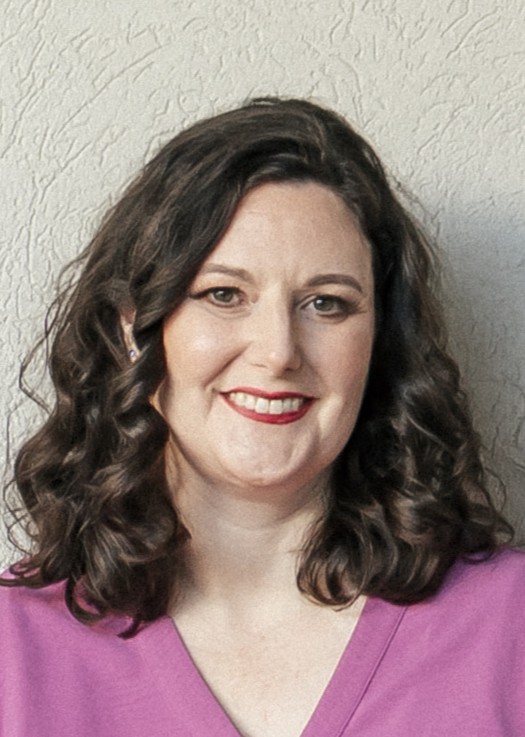
Article by
Rachel McBryan, Dietitian
Rachel McBryan is a licenced Dietitian in British Columbia offering comprehensive nutrition counselling as virtual and/or in-person counselling sessions to suit your needs and preferences. With a Bachelor of Science in Nutrition and Food Science, Rachel has over 20 years experience helping people address their health through nutrition. She was awarded Human Nutrition and Food Science BSc.from University of Alberta followed by post-grad course work at UBC in guidance counselling.