
What if the most challenging part of healing isn’t a lack of willpower, but rather a body and brain that simply lack the fuel to process recovery? It’s natural to feel a deep sense of anxiety when you’re faced with conflicting online advice or the physical discomfort that often accompanies refeeding. This is why anorexia recovery nutrition support is so vital; it focuses on restoring your biological capacity for mental and emotional healing through a steady, compassionate approach.
You likely already know that the journey toward wellness can feel like a maze of confusing rules and intense physical sensations. We promise to help you clear that fog by showing how evidence-informed nutritional rehabilitation provides the essential foundation for your physical and mental health. We will explore practical ways to manage digestive changes, the importance of individualized caloric goals, and how a non-judgmental partnership can help simplify meal planning. This article is for general educational purposes and is not a substitute for individualized medical or nutrition advice. Please speak with a physician, nurse practitioner, pharmacist, or registered dietitian for guidance tailored to your specific needs.
Key Takeaways
- Learn how restoring your nutritional foundation helps your brain process emotions and thoughts more clearly during the healing process.
- Discover how evidence-informed anorexia recovery nutrition support provides a safe, structured framework for physical stabilization and weight restoration.
- Understand the essential role of a Registered Dietitian as a supportive guide who ensures the refeeding process is physically safe and manageable for you.
- Explore practical techniques to manage common physical sensations like bloating or early fullness while quieting intrusive thoughts during meal times.
- Find out how a non-judgmental partnership with a knowledgeable professional can simplify meal planning and help you navigate the complexities of recovery with confidence.
Understanding the Role of Nutrition in Anorexia Recovery
Choosing to seek help is an act of profound courage. You might feel overwhelmed by the road ahead, but you don’t have to walk it alone. Anorexia recovery nutrition support is a collaborative process focused on restoring your physical health. It’s built on the understanding that your brain needs fuel to think, feel, and heal. When energy is scarce, the body prioritizes basic survival over emotional processing. Understanding Anorexia Nervosa as a complex biological and psychological condition helps clarify why nutritional rehabilitation is the necessary first step. Deep psychological work often cannot succeed until the brain is properly nourished.
Think of your body like a house undergoing major repairs. You cannot repaint the walls or fix the decor until the foundation is solid. In recovery, food provides that foundation. To see what a day of nourishing the body looks like during this process, watch this helpful video:
The Biological Impact of Energy Deficiency
When you don’t take in enough energy, your body becomes incredibly efficient at saving what it has. This is often called metabolic adaptation. It’s a survival mechanism, not a flaw. During this time, your system may slow down your heart rate or lower your body temperature to conserve fuel. Consistent nutrition helps signal to your brain that the “famine” is over. Every person’s needs are different. Clinical guidelines often suggest starting with an initial intake of approximately 20 kcal/kg/day for outpatients to ensure the process begins safely. Over time, this helps stabilize your vitals and gives your organs the energy they need to function properly.
Why “Food is Medicine” in This Context
In this setting, food acts as the primary tool for repairing tissues and restoring organ function. It’s also essential for your mental health. Your brain needs specific nutrients to create neurotransmitters like serotonin, which helps regulate your mood. Without enough fuel, your brain simply cannot produce these chemicals effectively. This can lead to increased anxiety or “brain fog.” Healing is a gradual process. It requires patience and consistency; every meal is a brick in the foundation of your recovery. Your body is resilient and will begin to repair itself once it has the resources it needs.
This article is for general educational purposes and is not a substitute for individualized medical or nutrition advice. Please speak with a physician, nurse practitioner, pharmacist, or registered dietitian for guidance tailored to your specific needs.
Key Components of Nutritional Rehabilitation
Nutritional rehabilitation is the engine that drives your recovery forward. It’s a structured process designed to achieve three main goals: physical stabilization, weight restoration when needed, and the normalization of eating patterns. While the focus often lands on weight, the primary objective is ensuring your body has enough energy to repair vital organs and tissues. According to the 2023 American Psychiatric Association guidelines, setting individualized goals for weight gain and target weight is essential for long-term success. Providing anorexia recovery nutrition support means looking beyond the numbers to ensure your brain and body can function as a team again.
Balanced macronutrients, including carbohydrates, proteins, and fats, play a critical role in this process. Carbohydrates provide the steady energy your brain craves, while proteins and fats help you feel satisfied and support cell repair. This balance prevents the energy crashes that can sometimes trigger anxiety or obsessive thoughts. If you’re feeling unsure about how to begin balancing your meals, you can reach out to a professional for guidance tailored to your specific situation.
Establishing a Consistent Eating Pattern
Reliable hunger and fullness cues often go dormant during periods of restriction. To wake them up, we often use the “Rule of Threes”: eating three meals and three snacks every day. This consistency acts like a metronome for your metabolism. When internal cues are quiet, we rely on “mechanical eating.” This means eating at set times regardless of whether you feel hungry. Over time, this predictable rhythm helps regulate your body’s signals. Resources from the National Eating Disorders Association highlight that structure is a powerful tool for reducing the stress of decision-making around food.
Addressing Micronutrient Gaps
Long-term restriction can lead to quiet deficiencies in essential vitamins and minerals. Your body might be low in Vitamin B12, Vitamin D, or zinc; all of which are vital for energy, bone health, and immune function. While whole foods are always the priority, a personalized supplement plan can act as a supportive bridge during the refeeding phase. These tools help fill gaps without replacing the need for consistent, varied meals. We view supplements as a helpful partner in your healing, ensuring your system has every resource available to rebuild itself. This gradual, supportive approach respects your body’s pace while prioritizing safety at every step.
This article is for general educational purposes and is not a substitute for individualized medical or nutrition advice. Please speak with a physician, nurse practitioner, pharmacist, or registered dietitian for guidance tailored to your specific needs.
The Role of a Registered Dietitian in Your Recovery Team
Have you wondered why your healthcare team insists on a Registered Dietitian rather than a general nutritionist? In Canada, the title “Registered Dietitian” (RD) is a protected designation. This means the professional has completed a university degree, a supervised internship, and passed a national exam. They are regulated by provincial bodies across Canada. Each province has its own regulatory body, ensuring consistent standards and public safety nationwide. This regulation provides a layer of safety and accountability that is vital when navigating a complex health journey. While many people offer nutrition advice online, an RD is specifically trained to provide anorexia recovery nutrition support that aligns with rigorous medical and ethical standards. Working with a specialized eating disorder recovery dietitian ensures you receive evidence-informed, compassionate care designed to address the unique complexities of your healing journey.
Your RD acts as a vital “nutrition gatekeeper” on your recovery team. They don’t work in a vacuum; instead, they collaborate closely with your physician and therapist. This teamwork ensures that your meal plan supports your physical health while respecting the work you do in therapy. It’s a non-judgmental partnership. You can safely explore food fears and challenges without feeling shamed or pressured. You are the expert on your life, and the RD is the expert on nutrition science. Together, you build a path forward that respects your pace.
What to Expect During a Nutrition Consultation
During your initial sessions, the focus is on understanding your unique story. We look at your health history, current needs, and personal goals. Through personalized nutrition counselling, we create a roadmap that feels manageable. You aren’t just a passive recipient of a plan. You are an active participant. This collaborative approach helps lower anxiety because you know exactly what the next steps are and why they matter. We prioritize your peace of mind as much as your physical progress.
Safe Refeeding and Monitoring
Safety is the top priority during the early stages of recovery. RDs are trained to monitor for refeeding syndrome, a serious but manageable condition that can occur when nutrition is reintroduced after a period of restriction. They track physical markers, such as energy levels and digestive comfort, to ensure the pace of refeeding is appropriate for your body. Your RD helps translate complex clinical data into practical, everyday food choices. They take the guesswork out of eating, allowing you to focus your energy on the emotional aspects of healing.
This article is for general educational purposes and is not a substitute for individualized medical or nutrition advice. Please speak with a physician, nurse practitioner, pharmacist, or registered dietitian for guidance tailored to your specific needs.
Practical Strategies for Normalizing Eating Patterns
Normalizing your relationship with food is a journey that goes beyond just meeting your energy needs. It involves unlearning years of restrictive rules and labels. One of the most helpful shifts you can make is moving toward “food neutrality.” This means removing the “good” or “bad” labels from what you eat. When we stop moralizing food, we lower the power it has over our emotions. Effective anorexia recovery nutrition support often involves this mental reframing to help reduce the guilt that can surface during meal times. It’s about seeing food as the fuel your body needs to function, heal, and eventually thrive again.
Decision fatigue is a common hurdle in early recovery. When every snack feels like a major choice, your anxiety can skyrocket. Using a custom meal plan can act as a protective guardrail. It takes the guesswork out of your day, allowing you to focus your mental energy on other aspects of your healing. If you find yourself struggling to organize your thoughts around food, please connect with us for a consultation to see how we can simplify your daily routine.
Managing Digestive Shifts in Recovery
You might notice physical discomfort as you begin to eat more regularly. This is often due to gastroparesis, a condition where the digestive system slows down because it hasn’t had to work as hard during restriction. It can cause bloating, gas, or a feeling of being very full quite quickly. These sensations are normal and often temporary. You can manage this by choosing smaller, more frequent meals rather than large sittings. If these symptoms persist or cause significant distress, speaking with a digestive health dietitian can provide you with specific strategies to improve your comfort.
Expanding Food Variety Slowly
This article is for general educational purposes and is not a substitute for individualized medical or nutrition advice. Please speak with a physician, nurse practitioner, pharmacist, or registered dietitian for guidance tailored to your specific needs.
Navigating the Path to Healing with Wise Eats Registered Dietitians
At Wise Eats Registered Dietitians, we see ourselves as your dedicated partners on the road to wellness. Rachel McBryan and our team of professionals are committed to providing evidence-informed care that honours your unique journey. We understand that finding specialized care can sometimes feel like a hurdle, which is why we offer virtual services across Canada. This ensures that no matter where you reside, you can access the supportive anorexia recovery nutrition support you need to move forward. Recovery is a path that requires patience, but it’s entirely achievable. You don’t have to navigate this alone; we’re here to act as a steady hand as you find your way back to health.
When to Seek Individualized Help
Recognizing when you need specialized assistance is a profound sign of strength. It shows a commitment to your future and your well-being. While general information provides a starting point, certain signs indicate it’s time to consult a professional for an individualized assessment. These signs can include:
- Persistent physical weakness, chronic fatigue, or frequent dizziness.
- Intrusive thoughts about food or body size that interfere with your daily life.
- Significant digestive distress that makes eating feel physically difficult or painful.
- A heart rate or body temperature that feels consistently lower than your usual baseline.
- Difficulty following a consistent eating pattern or meeting your energy needs on your own.
If you notice these signs, we encourage you to have a conversation with your primary care provider, such as a physician or nurse practitioner, alongside seeking nutritional support. They can help monitor your physical safety while we work together on your nutritional foundation. Seeking help early can make the recovery process more manageable and supports your long-term health.
Taking the First Step Toward Food Freedom
The transition toward a life where food is a source of nourishment rather than anxiety is possible. By choosing a customized approach, you can begin to simplify the aspects of recovery that currently feel overwhelming. We work with you to translate complex nutritional needs into actionable steps that fit your lifestyle. Your journey is yours alone, but the support you receive can make all the difference. We invite you to reach out for a consultation to discuss your specific needs and how we can best support your healing. You deserve to live a life where food supports your goals instead of standing in their way.
This article is for general educational purposes and is not a substitute for individualized medical or nutrition advice. Please speak with a physician, nurse practitioner, pharmacist, or registered dietitian for guidance tailored to your specific needs.
Your Next Steps Toward Lasting Wellness
Healing isn’t just about numbers; it’s about giving your brain the energy to function and your body the resources to repair. You’ve seen how a structured approach can quiet the noise of intrusive thoughts and how gentle strategies can manage digestive shifts. This evidence-informed anorexia recovery nutrition support provides the safety net you need to explore food neutrality at your own pace. By focusing on biological stability first, you’re building a foundation for deep, mental healing.
You don’t have to carry this burden alone. Our Canadian Registered Dietitians offer compassionate, non-judgmental care through virtual consultations across the country. We’re here to help you translate complex science into a simple, manageable plan that respects your unique biological needs. Connect with a Registered Dietitian to start your recovery journey today.
A life where food is a source of nourishment rather than anxiety is within reach. This article is for general educational purposes and is not a substitute for individualized medical or nutrition advice. Please speak with a physician, nurse practitioner, pharmacist, or registered dietitian for guidance tailored to your specific needs.
Frequently Asked Questions
How long does nutritional rehabilitation typically take in anorexia recovery?
Nutritional rehabilitation is a highly individual process that varies based on your unique health history and current needs. For outpatients, a common target for weekly weight gain is approximately 0.5 kg, but the timeline for fully healing your relationship with food can extend much longer. Patience is essential as your body repairs itself at its own pace. Consistency over time is more important than speed when building a sustainable foundation for wellness.
What is the “Rule of Threes” in eating disorder recovery?
The “Rule of Threes” is a structured framework that involves eating three meals and three snacks every day at regular intervals. This consistency helps regulate your metabolism and provides a predictable rhythm when your internal hunger and fullness cues are not yet reliable. By following this pattern, you can ensure your body receives a steady stream of energy to support physical repair and brain function throughout the day.
Can I recover from anorexia without a meal plan?
While it may be possible for some, most people find that a structured meal plan is a vital tool for managing the early stages of healing. A plan helps reduce decision fatigue and ensures you’re meeting your body’s increased energy needs while your natural cues are dormant. Providing anorexia recovery nutrition support often involves creating these guides to take the pressure off of daily choices and reduce food-related anxiety.
Will a dietitian force me to eat foods I am not ready for?
No, a Registered Dietitian works as your collaborative partner and will not force you into choices that feel unmanageable or unsafe. We use gentle strategies, such as “food ladders,” to slowly reintroduce variety at a pace that respects your current level of comfort. You are an active participant in your care. Our role is to provide the professional guidance and encouragement needed to help you move forward safely.
What is refeeding syndrome and why is professional monitoring important?
Refeeding syndrome is a serious metabolic shift that can occur when nutrition is reintroduced after a period of restriction. It involves changes in electrolytes that require careful clinical monitoring to ensure your physical safety. A dietitian tracks physical markers and energy levels to manage the pace of refeeding, making professional anorexia recovery nutrition support a key component of a safe and successful transition toward health.
How does nutrition support help with the mental aspects of anorexia?
Proper nutrition provides the essential fuel your brain needs to process emotions and thoughts more clearly. When your body is in a state of energy deficiency, it can be difficult to engage in therapy due to brain fog or increased anxiety. Stabilizing your intake helps regulate neurotransmitters like serotonin. This can improve your mood and mental resilience, making it easier to address the psychological aspects of the disorder.
Is anorexia recovery nutrition support covered by insurance in Canada?
Many extended health insurance plans in Canada provide coverage for the services of a Registered Dietitian. Since RDs are regulated health professionals, their services are often recognized by private insurers, though the amount of coverage varies depending on your specific plan. It’s always a good idea to check with your provider to see what benefits are available for nutritional counselling and eating disorder recovery dietitian support.
This article is for general educational purposes and is not a substitute for individualized medical or nutrition advice. Please speak with a physician, nurse practitioner, pharmacist, or registered dietitian for guidance tailored to your specific needs.
Article by
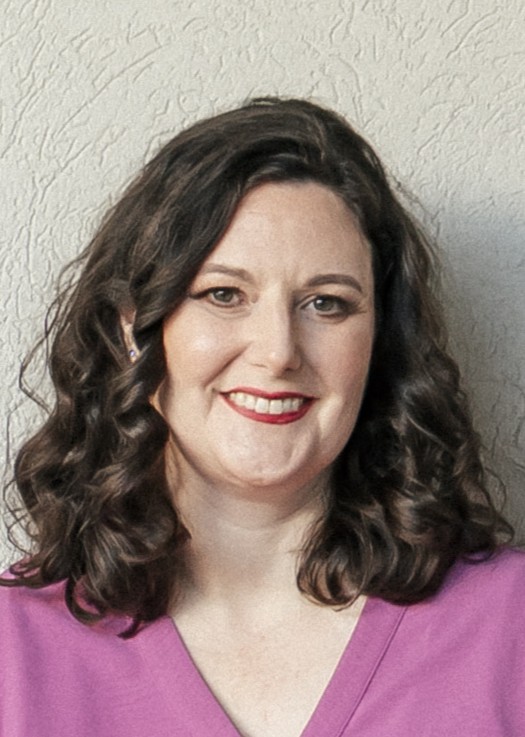
Rachel McBryan, Dietitian
Rachel McBryan is a licenced Dietitian in British Columbia offering comprehensive nutrition counselling as virtual and/or in-person counselling sessions to suit your needs and preferences. With a Bachelor of Science in Nutrition and Food Science, Rachel has over 20 years experience helping people address their health through nutrition. She was awarded Human Nutrition and Food Science BSc.from University of Alberta followed by post-grad course work at UBC in guidance counselling.
An eating disorder is a serious mental health illness.
If you are in immediate distress or crisis, please contact emergency services by dialing 911 or calling Vancouver Island Crisis Line: 1-888-494-3888. This article is educational information only, not professional diagnosis or treatment. Content is AI generated and may not be reviewed for accuracy.