
Have you ever felt like professional health support is a luxury reserved for those with a specific budget? It is completely normal to feel overwhelmed by the sea of conflicting information online while you are searching for free dietitian advice. Many Canadians find themselves stuck between long wait times for provincial specialists and the high fees of private clinics. You deserve clarity and support, not more stress.
The good news is that professional nutrition guidance doesn’t always have to come with a heavy price tag. Whether you’re in British Columbia, Ontario, or the Maritimes, there are pathways through provincial health care systems and workplace benefits that can connect you with an expert. This article will help you identify how to access evidence-informed support that fits your life and your wallet. We’re in this together, and finding the right map is the first step toward peace of mind.
We’ll explore the vital differences between dietitians and nutritionists, break down provincial coverage, and explain how to start your journey with a qualified professional. This information is for educational purposes and is not a substitute for professional medical advice. Please consult with your own healthcare team regarding your specific needs and before making changes to your health routine.
Key Takeaways
- Identify the difference between regulated Registered Dietitians and other nutrition providers to ensure you receive safe, evidence-informed care.
- Discover how to access free dietitian advice through provincial health services like 811 or by requesting a referral from your family doctor.
- Learn how a short discovery call can help you find a professional who understands your unique lifestyle without any upfront financial commitment.
- Review your workplace benefits or Employee Assistance Programs to find coverage for personalized nutrition counselling that fits your budget.
- Find out why a weight-inclusive and compassionate approach can help lower stress and provide clarity while you navigate your health journey.
Navigating the World of Free Dietitian Advice in Canada
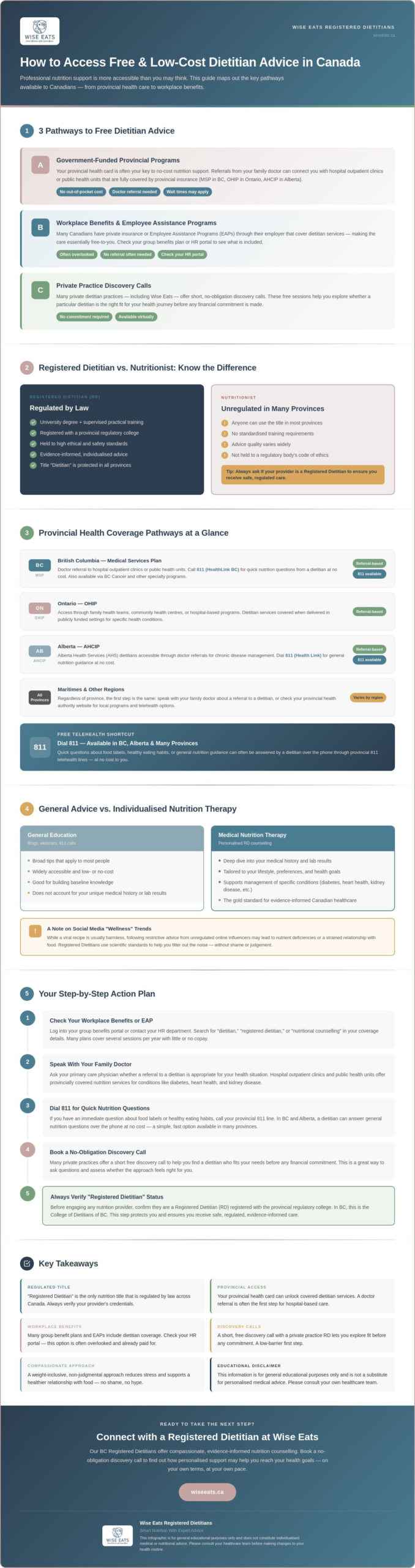
Finding reliable health information can feel like a full-time job. You might be searching for free dietitian advice to manage a new diagnosis or simply to feel better in your body. In Canada, a Registered Dietitian is a regulated health professional who has completed years of university education and supervised practical training. They are the only nutrition professionals regulated by law; this means they are held to high standards of safety and ethics to protect the public.
Many people wonder, What is a Registered Dietitian? and how do they differ from a nutritionist? In many provinces, the title “nutritionist” isn’t protected. This means anyone can use it, regardless of their actual training. Dietitians, however, must be registered with a provincial college. This regulation ensures the advice you receive is evidence-informed and specifically tailored to your health needs.
To better understand this concept, watch this helpful video:
When we talk about free dietitian advice, it usually comes in three forms. First, there are government-funded programs through provincial health systems. Second, many Canadians have private insurance or workplace benefits that cover these costs, making the care “free-to-you.” Finally, some private practices offer short discovery calls. These are brief, no-obligation sessions to help you decide if a professional is the right fit for your health journey.
Why Professional Advice Matters More Than Online Trends
Social media is often full of “wellness” influencers sharing unverified trends. While a viral recipe is usually harmless, following restrictive advice can sometimes lead to nutrient deficiencies or a strained relationship with food. Dietitians move past the hype. They use scientific standards to help you filter out the noise and focus on what actually works for your unique biology. This evidence-informed approach is the gold standard for Canadian healthcare.
The Difference Between General Advice and Individualized Therapy
It’s helpful to know that a blog post or a general webinar is educational. It provides broad tips that apply to most people. However, medical nutrition therapy is different. It involves a deep dive into your medical history, lab results, and lifestyle. At Wise Eats, we offer Personalized Nutrition Counseling to bridge the gap between general knowledge and the specific steps your body needs to thrive.
Accessing Dietitians Through Provincial Health Care Systems
Many Canadians are surprised to learn that their provincial health card is often the key to unlocking professional nutrition support. While private consultations are a popular choice, systems like the Medical Services Plan (MSP) in British Columbia, OHIP in Ontario, or AHCIP in Alberta provide pathways for residents to receive care. This is a primary way to find free dietitian advice that is both safe and evidence-informed.
The most common route starts with your primary care physician. If you are managing a specific health concern, your doctor can provide a referral to a dietitian working within a hospital or a public health unit. For instance, hospital-based outpatient clinics frequently support individuals with diabetes, heart health concerns, or kidney disease. These services are covered by your provincial insurance, meaning there’s no out-of-pocket cost for the appointment.
To better understand your options, Accessing Dietitians Through Provincial Health Care is a great place to start. It’s a reliable way to see how your province organizes these essential services and what you can expect from the process.
Provincial Telehealth Services for Nutrition
If you have a quick question about food labels or healthy eating habits, you might not need a doctor’s referral. In many provinces, you can simply pick up the phone. Residents in British Columbia, Alberta, Ontario, and Newfoundland and Labrador can call 811 to speak with a registered dietitian. In Manitoba, the Dial-a-Dietitian service offers similar support. These lines are excellent for general guidance, but they aren’t designed for long-term, intensive nutrition therapy. It’s always a good idea to check your specific provincial health website to see what’s currently available in your area.
Community Health Centres and Primary Care Networks
Many neighbourhoods have Community Health Centres (CHCs) or Primary Care Networks that use a team-based approach. These centres often have a dietitian on staff who works alongside doctors and nurses. Because these programs are government-funded, the services are provided at no direct cost to you. It’s important to remember that wait times can vary significantly depending on where you live and the urgency of your situation. If you find that wait times are longer than you’d like, you can always reach out to our team to discuss more immediate options.
This information is for educational purposes and is not a substitute for professional medical advice. We encourage you to speak with your own healthcare team before making changes to your health routine.
Private Practice Discovery Calls: A Bridge to Personalized Care
Have you ever hesitated to book a health appointment because you weren’t sure if the professional would truly understand your situation? It’s a common worry. This is where a “Discovery Call” or an “Ask a Dietitian” session becomes incredibly valuable. These are brief, no-obligation conversations designed to help you feel comfortable before you commit to a full assessment. While you are searching for free dietitian advice, you will find that many private practices offer these short calls to help bridge the gap between your initial questions and professional support.
During these sessions, you aren’t just a number; you are a person with a unique story. You can discuss your health goals, learn about the dietitian’s specific process, and clarify details about fees or how your insurance might work. It is also a safe space to ask about the Registered Dietitian vs Nutritionist distinction. Knowing the qualifications of your provider is essential for receiving safe, evidence-informed care. While organizations like Dietitians of Canada continue to push for more funded nutrition support across the country, these discovery calls remain a vital tool for those looking to start their journey today.
What to Ask During a Free Consultation
Think of this call as a short interview where you get to decide if the connection feels right. You want to ensure the professional’s communication style matches your needs. Here are a few questions you might consider asking:
- Do you have experience working with my specific health concern or condition?
- How do you approach weight-neutral care or lifestyle integration?
- Are you currently licensed to practice in my specific province?
That last question is particularly important. Dietitians must be registered in the province where their client resides to provide medical nutrition therapy. This regulation ensures you are protected by provincial standards and receive the highest quality of care.
The Value of the Wise Eats “Ask a Dietitian” Feature
If you aren’t quite ready for a phone call, our Ask a Dietitian resource is another excellent way to find clarity. We created this feature to answer general questions that often leave people feeling stuck or confused. Our team uses a compassionate, non-judgmental tone because we know how hard it can be to talk about food and health. We want to replace any anxiety you might feel with a sense of hope and a clear, actionable path forward.
This article is for educational purposes and is not a substitute for professional medical advice. Always consult with your own healthcare team before making changes to your diet or health behaviours.
Alternative Ways to Secure Funded Nutrition Support
While provincial 811 lines and doctor referrals are excellent starting points, they aren’t the only ways to find support. Many Canadians are sitting on “pre-paid” resources through their employers or local institutions. If you’ve been looking for free dietitian advice, your search might end right at your workplace or a nearby university. It’s often just a matter of knowing where to look and which questions to ask your human resources department.
Employee Assistance Programs (EAPs) are a hidden gem in the Canadian workforce. These programs are designed to support your mental and physical well-being at no extra cost to you. Often, an EAP includes a set number of sessions with a nutrition professional to help you get started on your health goals. It is a proactive way to get help before small concerns become larger health issues. Additionally, university or college clinics sometimes offer services where dietetic students provide care under the close supervision of a licensed professional. These clinics can be a cost-effective way to access high-quality, evidence-informed guidance while supporting the next generation of healthcare providers.
Maximizing Your Workplace Benefits
Have you looked at your extended health plan lately? Many people realize too late that their employer has already covered the cost of seeing a Registered Dietitian. You should check your benefits booklet to see if “Registered Dietitian” is listed under paramedical services. Sometimes, these services are part of a traditional benefit limit; in other cases, they might be covered by a Health Spending Account (HSA). An HSA gives you the flexibility to use your funds for the specific health services you value most. It is worth taking five minutes to verify your coverage. You might find that your path to professional support is already paid for.
Disease-Specific Organizations and Support Groups
If you are managing a specific condition, non-profit organizations can be an incredible resource. Groups like Diabetes Canada or the Heart and Stroke Foundation offer free webinars, pamphlets, and peer support groups. Finding free dietitian advice through these organizations can provide the foundational knowledge you need to have better conversations with your doctor. While these resources are wonderful for general education, they are often meant to complement, not replace, one-on-one counselling. For more complex needs, such as eating disorder recovery, specialized non-profits can provide essential community connections. These organizations help you feel less alone as you navigate the complexities of your health. If you are still unsure where to start, you can contact our team to help clarify your next steps.
This article is for educational purposes and is not a substitute for professional medical advice. Always speak with your own healthcare team before making changes to your health behaviours or medications.
Finding the Right Fit: How Wise Eats Supports Your Health
While searching for free dietitian advice is a smart way to begin your journey, you might eventually find that general tips only go so far. Your body is unique. Your lifestyle, medical history, and relationship with food are yours alone. This is why a personalized approach often yields more sustainable results than a one-size-fits-all plan. At Wise Eats, we’re committed to providing weight-inclusive, compassionate care that respects your individual needs and lived experience.
If you’re managing digestive issues or a chronic medical condition, Custom Meal Planning can be a helpful tool. It takes the guesswork out of your daily routine and provides a structured, evidence-informed path toward feeling your best. We want to help you move from a place of confusion to a state of clarity. By focusing on lifestyle integration rather than rigid restriction, we help you build a sustainable way of eating that you can actually enjoy.
A Compassionate Approach to Nutrition
Think of our team as your expert guide or a knowledgeable partner. The world of nutrition is loud and often contradictory. Our team acts as a filter, helping you block out the noise and focus on actionable steps that actually fit your life. You don’t have to do this alone. We’re here to offer a steady hand and a supportive presence as you make changes that support your long-term well-being. We believe that health is about more than just numbers; it’s about how you feel in your body every day.
When to Seek Specialized Help
There are times when general information is not enough. For high-risk or medically complex topics, an individualized assessment is essential for your safety. You should seek specialized professional help if you’re managing any of the following:
- Severe food allergies or suspected intolerances
- Chronic kidney disease or advanced heart conditions
- Active eating disorders or a history of disordered eating
- Complex pediatric nutrition needs or failure to thrive
This article is for educational purposes and is not a substitute for professional medical advice. The information provided here should support, not replace, the relationship you have with your healthcare providers. We encourage you to consult with your own healthcare team before making significant changes to your health behaviours. We invite you to book a discovery call with us today. It’s a safe, no-pressure way to discuss your specific situation and see how we can work together toward your health goals.
Taking the Next Step Toward Your Health Goals
Finding the right nutrition support shouldn’t feel like a mystery. You now have the tools to navigate the various ways to access free dietitian advice in Canada, whether through provincial health lines like 811, your workplace benefits, or a simple discovery call. While general information provides a solid foundation, remember that your health journey is unique. You deserve support that is evidence-based, compassionate, and tailored to your specific needs.
Our team of licensed Registered Dietitians is here to help you move past the confusion of online trends. We specialize in non-judgmental care for digestive health, eating disorder recovery, and more. If you’re ready to find clarity and start a sustainable path forward, we invite you to book a free 15-minute discovery call with a Wise Eats dietitian. We can discuss your goals in a safe space and see how personalized care might work for you.
This article is for educational purposes and is not a substitute for professional medical advice. Always consult your own healthcare team regarding your health behaviours. You’ve already taken the first step by seeking out this information; the rest of the journey starts whenever you are ready.
Frequently Asked Questions
How can I find a dietitian covered by provincial health insurance?
The most direct way is to ask your family doctor for a referral to a dietitian at a local hospital or community health centre. These services are often funded by your provincial health plan, such as MSP or OHIP. You can also call your provincial health line, like 811, to ask about specific government-funded programs in your neighbourhood.
Is there a difference between a free consultation and a full appointment?
Yes, a free consultation is typically a short discovery call meant to see if you and the dietitian are a good match. It focuses on your goals and the professional’s approach. A full appointment is an in-depth session where the dietitian reviews your medical history and provides personalized nutrition therapy. Both are valuable steps in your health journey.
Can I get free dietitian advice for weight loss in Canada?
You can access free dietitian advice for weight management through provincial telehealth services or community health teams. Calling 811 allows you to speak with a professional about healthy eating habits at no out-of-pocket cost. Some provinces also offer virtual classes or group programs that provide evidence-informed guidance on managing your health goals.
What should I do if my workplace insurance does not cover a dietitian?
If your extended health plan doesn’t list dietitians, check if you have a Health Spending Account that offers more flexibility. You can also look into your Employee Assistance Program (EAP), as many of these include short-term nutrition counselling. If those aren’t available, community health centres often provide support to residents regardless of their private insurance coverage.
Are there free nutrition resources for people with diabetes or IBS?
Yes, many non-profit organizations like Diabetes Canada offer free educational webinars and guides to help you manage your condition. For digestive issues like IBS, some hospital-based outpatient clinics provide group sessions or resources if you have a referral from your doctor. These tools are excellent for learning the foundations of symptom management through food.
How do I know if a dietitian is licensed to practice in my province?
You can verify a professional’s status by checking the public register on the website of your provincial regulatory college. In British Columbia, for example, you would visit the College of Dietitians of BC website. This ensures the person you are speaking with has met the strict educational and ethical standards required to protect the public.
Can a dietitian help me for free if I have an eating disorder?
You can access funded support for eating disorder recovery through specialized hospital programs or provincial mental health services with a referral. Because eating disorders are medically complex, it’s vital to work with a specialized interdisciplinary team. These programs are designed to provide safe, intensive care at no direct cost to the patient through the public health system.
This FAQ section is for educational purposes and is not a substitute for professional medical advice. Please consult with your own healthcare team before making changes to your health routine or treatment plan.
Article by
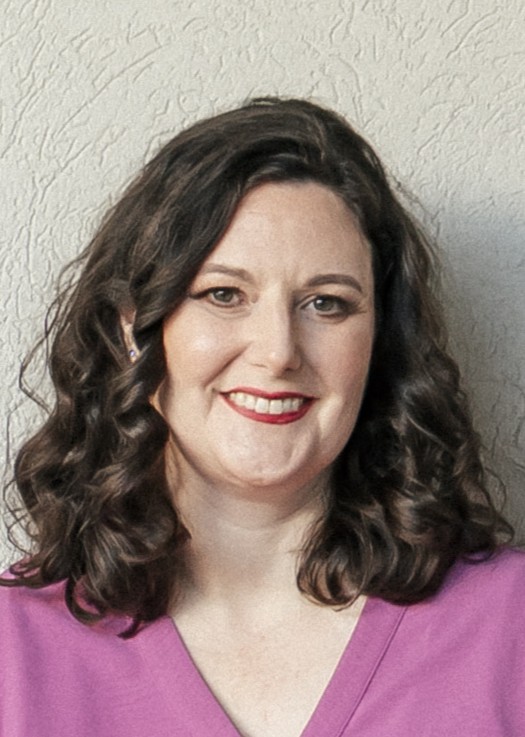
Rachel McBryan, Dietitian
Rachel McBryan is a licenced Dietitian in British Columbia offering comprehensive nutrition counselling as virtual and/or in-person counselling sessions to suit your needs and preferences. With a Bachelor of Science in Nutrition and Food Science, Rachel has over 20 years experience helping people address their health through nutrition. She was awarded Human Nutrition and Food Science BSc.from University of Alberta followed by post-grad course work at UBC in guidance counselling.
An eating disorder is a serious mental health illness.
If you are in immediate distress or crisis, please contact emergency services by dialing 911 or calling Vancouver Island Crisis Line: 1-888-494-3888. This article is educational information only, not professional diagnosis or treatment. Content is AI generated and may not be reviewed for accuracy.