

An eating disorder is a serious mental health illness.
If you are in immediate distress or crisis, please contact emergency services by dialing 911 or calling Vancouver Island Crisis Line: 1-888-494-3888. A dietitian, psychologist, psychiatrist, and medical team work together to support eating disorder recovery.
This article is educational information only, not professional diagnosis or treatment. Content is AI generated and may not be reviewed for accuracy.
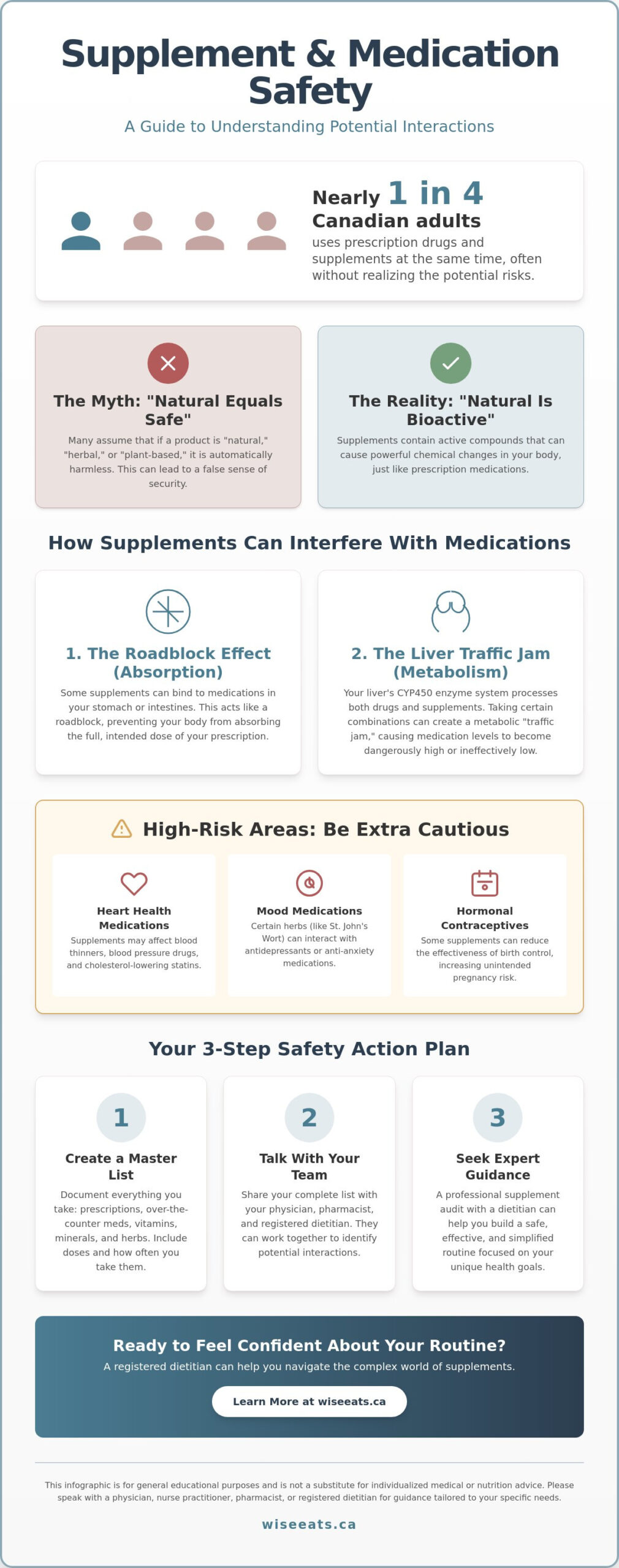
Did you know that nearly one in four adults now uses prescription medications and dietary supplements at the same time? If you feel confused by the many “natural” health claims you see online, you are not alone. It is completely normal to feel stuck between wanting to support your body and worrying about supplements that interact with medications in ways you did not intend. You deserve to feel confident that your routine is helping, not hindering, your health goals.
We are here to help you find that clarity. By debunking five common myths, this article will show you how to sort through your options safely and provide a practical framework for your next conversation with your healthcare team. Our goal is to replace that uncertainty with the peace of mind that comes from evidence-informed choices.
This article is for general educational purposes and is not a substitute for individualized medical or nutrition advice. Please speak with a physician, nurse practitioner, pharmacist, or registered dietitian for guidance tailored to your specific needs.
Key Takeaways
- Understand why the “natural” label may be misleading and how to recognize when a supplement might pose a risk to your health.
- Learn how supplements that interact with medications can change how your body processes your prescriptions, potentially affecting your results.
- Identify common high-risk combinations that may interfere with medications for heart health, mood, or birth control.
- Discover how to create a “Master List” of your routine to help you have more confident and clear discussions with your healthcare team.
- Explore how a professional supplement audit can help you simplify your routine and focus on nutrients from wholesome, Canadian-sourced foods.
The ‘Natural Equals Safe’ Myth: Understanding Supplement-Medication Risks
We often hear the word “natural” and think of safety, health, and purity. It’s a comforting idea. However, in the world of nutrition, “natural” doesn’t always mean “harmless.” A supplement-medication interaction happens when a vitamin, mineral, or herb changes how your prescription drug works. It might make the drug too strong, or it could stop it from working altogether. Understanding Drug Interactions is the first step toward keeping your routine safe and effective.
Many of us reach for supplements that interact with medications without realizing they are bioactive. This means they actually change the chemistry in your body. Just because a plant grows in the ground doesn’t mean it won’t clash with a pill made in a lab. Even healthy choices, like a simple calcium tablet, might need specific timing so they don’t block your other medications. Since nearly 25% of adults use both prescriptions and supplements, this is a very common challenge that many people face every day.
To better understand this concept, watch this helpful video:
Why We Often Assume Supplements Are Harmless
Our culture has shifted toward wellness and self-care, which is wonderful. But this shift has created a “halo effect” around herbal products. We see beautiful packaging and labels like “pure” or “organic,” and our brains assume these items are gentler than pharmaceuticals. While traditional medicine has used herbs for centuries, modern drugs are often highly concentrated. When you combine the two, your body has to work much harder to process everything at once. It’s easy to see why someone might feel overwhelmed by these conflicting messages.
The Reality of Bioactivity in the Body
Think of your liver like a busy highway. Both your medications and your supplements need to use the same lanes to get where they are going. If you take too many things at once, you create a metabolic “traffic jam.” Some substances might get stuck, while others speed through too fast. This is why we focus on safety. It isn’t about restriction; it’s about making sure your body can handle the load. A supplement audit with a professional can help you clear those lanes and find a balance that works for you. We want you to feel confident that every choice you make is supporting your well-being.
This article is for general educational purposes and is not a substitute for individualized medical or nutrition advice. Please speak with a physician, nurse practitioner, pharmacist, or registered dietitian for guidance tailored to your specific needs.
How Supplements Can Change How Your Body Processes Medication
Have you ever wondered why your doctor tells you to take certain pills on an empty stomach or at a specific time of day? It often comes down to bioavailability. This is a term used to describe how much of a medication actually makes it into your bloodstream to do its work. When we introduce supplements that interact with medications, they can act like a roadblock. Sometimes, a supplement prevents a drug from being absorbed, while other times, it might cause the drug to stay in your system for much longer than intended. It’s a complex dance that happens inside you every time you swallow a pill.
The FDA Warns About Supplement Dangers precisely because these interactions are often invisible until a problem arises. It isn’t just about the “strength” of the supplement. It’s about the journey that substance takes through your digestive system and your liver. Understanding these pathways can help you feel more in control of your daily health routine.
The Liver’s Role: The Processing Centre
Think of your liver as a giant sorting office. It uses a special group of workers called the CYP450 enzyme system to process almost everything you ingest. These enzymes break down medications so your body can use them or safely get rid of them. If you take a supplement that “distracts” these workers, the mail starts to pile up. This can lead to medication levels becoming too high in your blood. On the flip side, some supplements might make the workers move too fast, clearing the medication before it has a chance to help you. Certain herbs can even change how your kidneys filter waste, affecting how quickly a drug leaves your body entirely.
Absorption Hurdles in the Gut
Your gut is the first stop for most pills. Common minerals like calcium, magnesium, or iron can actually “grab” onto certain medications, such as antibiotics or thyroid hormones. When they bind together, they create a clump that is simply too big for your body to absorb. This is why professionals often suggest a “two-hour rule” to keep these substances apart. Even your gut microbiome plays a role here, as the bacteria in your digestive tract help process many of these compounds. If you find yourself second-guessing your morning routine, you might benefit from a professional review to ensure everything is working in harmony. If you have questions about your specific routine, feel free to reach out to us for a supportive conversation.
This article is for general educational purposes and is not a substitute for individualized medical or nutrition advice. Please speak with a physician, nurse practitioner, pharmacist, or registered dietitian for guidance tailored to your specific needs.
High-Risk Combinations: Common Supplements and Meds That Don’t Mix
It can feel quite overwhelming to realize that your daily wellness routine might actually be working against your prescriptions. You are trying to do the right thing for your body, yet some pairings can create unexpected health challenges. While we previously discussed how your liver and gut process these substances, it’s helpful to look at specific supplements that interact with medications. Knowing which combinations carry the most risk allows you to move forward with confidence rather than fear.
One of the most frequent concerns involves blood thinners like warfarin. If you take Vitamin K-rich supplements, they can actually “cancel out” the effects of your medication because Vitamin K helps blood clot. It isn’t about removing Vitamin K entirely, but about keeping your intake consistent. Similarly, high doses of Vitamin E or Omega-3 fatty acids can sometimes increase bleeding risk. These Common Supplement Interactions show why a balanced approach is so vital for your safety.
Minerals like magnesium and calcium are also common culprits. While they are essential for bone and muscle health, they can bind to thyroid medications or certain antibiotics if taken at the same time. This binding prevents the medication from entering your system, which might leave you feeling sluggish or unwell despite following your doctor’s orders. If you are managing multiple health goals, nutrition counselling for medical conditions can help you organize your schedule for the best possible results.
Supplements That May Affect Blood Sugar and Pressure
If you are managing diabetes or high blood pressure, you likely monitor your numbers closely. Some herbs, such as ginseng or high-dose cinnamon, may lower blood sugar levels. When combined with diabetes medications, your blood sugar could drop lower than expected. “Natural” stimulants found in some weight management products can also cause a rise in blood pressure, potentially clashing with your heart medications. We always suggest careful monitoring and a slow approach when introducing anything new to your routine. Your body’s response is unique, and keeping a simple log of your readings can provide excellent data for your healthcare team.
The St. John’s Wort Exception
St. John’s Wort is often called the “poster child” of drug interactions for a reason. Unlike other herbs, it acts like a volume dial that turns up your liver’s processing speed. This means it can clear medications out of your body far too quickly. It is known to interfere with antidepressants, birth control pills, and even critical heart medications like digoxin. Because its effects are so wide-ranging, it is essential to disclose its use to your pharmacist or dietitian. At Wise Eats, we prioritize your safety by screening for these specific risks during our consultations, ensuring your “natural” choices don’t compromise your essential care.
This article is for general educational purposes and is not a substitute for individualized medical or nutrition advice. Please speak with a physician, nurse practitioner, pharmacist, or registered dietitian for guidance tailored to your specific needs.
Navigating Your Health Safely: When to Seek Professional Guidance
Finding reliable information about supplements that interact with medications can feel like searching for a needle in a haystack. You might feel a mix of hope that a supplement will help and fear that it could cause an accidental side effect. This is where your healthcare team acts as your protective filter. While pharmacists are the primary experts on how drugs clash, a Registered Dietitian can look at your whole lifestyle. We help you bridge the gap between the food you eat and the pills you take, ensuring your routine is both safe and effective.
One of the best tools you can create is a “Master List.” This is a simple document or note on your phone that lists every prescription, over-the-counter drug, vitamin, and herbal remedy you use. Include the dosages and how often you take them. When you share this list with your team, you remove the guesswork. It allows us to spot potential “traffic jams” in your metabolism before they become a problem. If you want to start this process today, you can book a consultation with us to review your current routine together.
When to Seek Help
While general information is helpful, certain situations require an individualized assessment from a professional. Please seek expert guidance if:
- You are among the 15% of adults taking five or more prescription medications.
- You are over age 65, as 42% of adults in this age group manage multiple prescriptions.
- You have a chronic condition such as kidney disease, liver disease, or a history of eating disorders.
- You are pregnant, breastfeeding, or preparing for a scheduled surgery.
- You notice new symptoms, such as dizziness, skin rashes, or digestive upset, after starting a new supplement.
Preparing for Your Healthcare Appointment
Don’t feel like you have to memorize everything. Many people find it helpful to bring their actual supplement bottles right into the clinic. This lets your provider see the exact ingredients and dosages. Remember, your healthcare team is a no-judgment zone. Our goal is your safety, not to shame you for your choices. Try asking these three questions at your next visit:
- Can this supplement change how my body absorbs my current prescriptions?
- Is there a specific time of day I should take these to avoid a conflict?
- Are there any “red flag” symptoms I should watch for while taking these together?
The Importance of Third-Party Testing in Canada
In Canada, we have a unique way of identifying products that have been reviewed for safety. Look for an eight-digit Natural Product Number (NPN) on the label. This code tells you that Health Canada has assessed the product for quality and that the health claims are supported by evidence. Label accuracy is a major safety issue. As recently as May 2026, some supplements were recalled due to Salmonella contamination or undeclared prescription drugs. Using the dietitian’s guide to third-party tested supplement brands in Canada can help you choose brands that prioritize third-party testing and transparency. This extra step gives you the peace of mind that what is on the label is exactly what is inside the bottle.
This article is for general educational purposes and is not a substitute for individualized medical or nutrition advice. Please speak with a physician, nurse practitioner, pharmacist, or registered dietitian for guidance tailored to your specific needs.
Building a Safer Routine: The Role of a Registered Dietitian
Making sense of your health routine doesn’t have to be a solo journey. We’ve explored the biology of the liver and the specific risks of herbs like St. John’s Wort. Now, it’s time to talk about how to simplify. A Registered Dietitian acts as your knowledgeable partner to help you filter out the noise. One of the primary ways we support you is through a “supplement audit.” This isn’t about taking away your choices. It’s about identifying supplements that interact with medications and removing anything that isn’t adding value to your life. By reviewing your routine, we can spot unnecessary risks and help you focus your energy where it matters most.
We believe in a “food first” approach whenever possible. This means looking at how you can get essential vitamins and minerals safely from wholesome, Canadian-made foods. Nutrients from food are often absorbed more effectively than those from a pill. When you get your nutrition from your plate, you significantly lower the risk of the metabolic “traffic jams” we discussed earlier. It’s a gentle, sustainable way to support your body while honouring the prescriptions your doctor has provided for your care.
Personalized Nutrition vs. General Supplementation
Why settle for a one-size-fits-all multivitamin? Your body has unique needs that a generic pill might not meet. In some cases, high doses of certain vitamins can do more harm than good when mixed with prescriptions. This is why custom meal planning is such a powerful tool. We look at how to fill your nutrient gaps using a variety of foods first. Food provides nutrients in a complex, balanced way that your body is designed to recognize. This approach often reduces the need for high-dose supplements, lowering the chance of an accidental interaction. For example, if you suspect your fatigue or hair thinning may point to low iron stores even when your blood work appears normal, working with an iron deficiency without anemia dietitian can help you identify and address those gaps safely through food and targeted supplementation. When you do need to supplement, choosing third-party tested supplement brands in Canada ensures you are getting exactly what the label promises. Our commitment is always to provide evidence-informed, compassionate care that fits your specific lifestyle.
Next Steps for Your Peace of Mind
You deserve to feel in control of your health without the weight of constant worry. Taking charge doesn’t require a total overhaul of your life. It starts with small, safe changes. If you are feeling unsure about a specific vitamin or herbal remedy, we invite you to ask a dietitian for a professional perspective. We can help you navigate the research and coordinate with your pharmacist or doctor. Your health is a long-term project, and having a steady hand to guide you makes all the difference. You’ve already taken a great first step by educating yourself today.
This article is for general educational purposes and is not a substitute for individualized medical or nutrition advice. Please speak with a physician, nurse practitioner, pharmacist, or registered dietitian for guidance tailored to your specific needs.
Moving Forward with Confidence and Clarity
Taking care of your health is a journey that requires the right tools and a steady hand. We’ve explored how bioactivity means that “natural” is not always “neutral,” especially when it comes to supplements that interact with medications. By understanding how your liver and gut process these compounds, you can move away from confusion and toward choices that truly support your well-being. Whether it’s prioritizing nutrient-dense foods or organizing a “Master List” for your doctor, every small step helps protect your peace of mind.
You don’t have to figure this out alone. Our team provides evidence-based audits and compassionate guidance that aligns with the highest standards of ethics and professionalism. Ready to clear up the confusion? Book a professional supplement review with a Wise Eats Registered Dietitian today. We are here to help you build a routine that feels safe, sustainable, and uniquely yours. You’ve already taken the first step by seeking out the facts; now, let’s turn that knowledge into a plan that works for you.
This article is for general educational purposes and is not a substitute for individualized medical or nutrition advice. Please speak with a physician, nurse practitioner, pharmacist, or registered dietitian for guidance tailored to your specific needs.
Frequently Asked Questions
Can I take a multivitamin if I am on blood pressure medication?
Yes, in many cases you can, but it depends on the specific ingredients in your multivitamin. Some products contain minerals like potassium or herbal stimulants that can affect blood pressure or clash with certain medications. Checking the label for an NPN ensures the product has been reviewed by Health Canada for safety. It is always wise to have your pharmacist review the specific brand you have chosen to ensure it is a safe fit for your routine.
What is the best time of day to take supplements to avoid interactions?
The ideal timing depends entirely on the specific supplement and medication you are taking. As a general rule, many professionals suggest a “two-hour rule” between minerals like calcium or iron and your prescriptions. This gap helps prevent the substances from binding together in your gut. Your pharmacist or dietitian can help you create a personalized schedule that maximizes absorption for both your food and your medications.
Is it safe to take herbal tea while on prescription drugs?
Most herbal teas are safe in moderate amounts, but some can contain bioactive ingredients that interfere with certain drugs. For example, licorice root tea may affect blood pressure, while green tea in large amounts can interact with blood thinners. Since teas are less concentrated than capsules, the risk is often lower but still exists. It is best to mention your favourite brews during your next check-up to stay on the safe side.
How do I know if my supplement is interacting with my medication?
You can identify a potential interaction by watching for new or unusual symptoms after starting a new supplement. Common signs include unexpected dizziness, digestive upset, or a change in how well your medication seems to be working. Because supplements that interact with medications can be subtle, keeping a simple symptom log is a great way to provide clear data to your healthcare team during your next visit.
Should I stop taking all supplements before a scheduled surgery?
Yes, most surgeons recommend stopping all herbal supplements at least two weeks before a scheduled procedure. Certain supplements, like garlic, ginger, or Vitamin E, can increase the risk of bleeding during or after surgery. Others might interfere with anesthesia or heart rate. Your surgical team will provide a specific list of what to pause to ensure your procedure is as safe as possible. Always follow their instructions exactly.
Can a dietitian help me figure out which vitamins I actually need?
A Registered Dietitian can certainly help you determine which vitamins are necessary based on your unique diet and health goals. We use evidence-informed tools to perform a supplement audit, looking for gaps that can be filled with food first. This personalized approach helps you avoid “pill fatigue” and ensures you aren’t taking supplements that interact with medications unnecessarily. We focus on what your body truly needs to thrive.
What should I do if I think I am having a supplement-drug interaction?
If you suspect an interaction, the first step is to contact your pharmacist or primary healthcare provider immediately. Do not stop your prescription medication without professional guidance, as this could lead to other health risks. Bring your supplement bottles to your appointment so your team can review the exact ingredients. They can help you make a safe adjustment to your routine while ensuring your underlying health conditions remain well-managed. If persistent fatigue or unexplained symptoms are part of your concern, it may also be worth exploring whether iron deficiency without anemia could be a contributing factor, even if your standard blood work appears normal.
This article is for general educational purposes and is not a substitute for individualized medical or nutrition advice. Please speak with a physician, nurse practitioner, pharmacist, or registered dietitian for guidance tailored to your specific needs.

Article by
Rachel McBryan, Dietitian
Rachel McBryan is a licenced Dietitian in British Columbia offering comprehensive nutrition counselling as virtual and/or in-person counselling sessions to suit your needs and preferences. With a Bachelor of Science in Nutrition and Food Science, Rachel has over 20 years experience helping people address their health through nutrition. She was awarded Human Nutrition and Food Science BSc.from University of Alberta followed by post-grad course work at UBC in guidance counselling.