

Incorporating Whole Grains, Healthy Fats, and Fiber for a Healthy Heart
A heart-healthy diet is essential for maintaining cardiovascular health and preventing heart disease. By making conscious choices about the foods we consume, we can lower cholesterol levels, manage weight, and improve overall heart health. This article will explore the significance of incorporating whole grains, healthy fats, and fiber-rich foods into your meals, along with practical meal planning strategies. The key takeaways include understanding the benefits of whole grains, healthy fats, and fiber, how to manage cholesterol effectively, and tips for meal planning to support your heart health.
Did you know that heart disease is the 2nd leading cause of death in Canada? It is estimated that 1 in 12 Canadian adults (over the age of 20) have heart disease.
Diet can play a big role in reducing the risk and preventing heart disease. It is estimated that 80% of premature heart and stroke can be prevented through lifestyle habits, including exercising and eating.
Whether you are living with heart disease or looking to reduce your risk, there are some healthy changes you can make to your diet.
5 Tips for a Heart-Healthy Diet
1. Include More Fruits & Vegetables
Fruits and vegetables are a cornerstone of a heart-healthy diet. They are a great source of vitamins, minerals and fibre. The micronutrients found in fruits and vegetables play many important roles in the body, including supporting the immune system, cardiovascular system and aiding metabolism.
In addition to heart benefits, including more fruits and vegetables in your diet can help you reduce your intake of high-calorie meals and may assist in weight loss.

2. Swap to Whole Grains
Like fruits and vegetables whole grains also provide us with lots of micronutrients and fibre, and may help regulate blood pressure. We can increase the amount of whole grains in our diet by substituting whole grains in place of refined grains.
Some whole grains you can include in the diet to make it more heart-healthy include,
-
- Oatmeal (steel cut or regular)
- Whole-grain pasta, bread or rice
- Whole-wheat flour
- Quinoa
- Barley

3. Look for Low-Fat Protein Sources
Many animal proteins also contain fat, a nutrient we want to limit in a heart-healthy diet. When possible, choose low-fat sources of protein. Some healthy, low-fat options include,
-
- Lean meat
- Low-fat dairy products
- Eggs
- Fish
Plant-based sources of protein contain lowers amounts of fat, no cholesterol and are a good source of fibre. Some popular plant-based proteins include,
-
- Lentils
- Peas
- Beans
- Soy
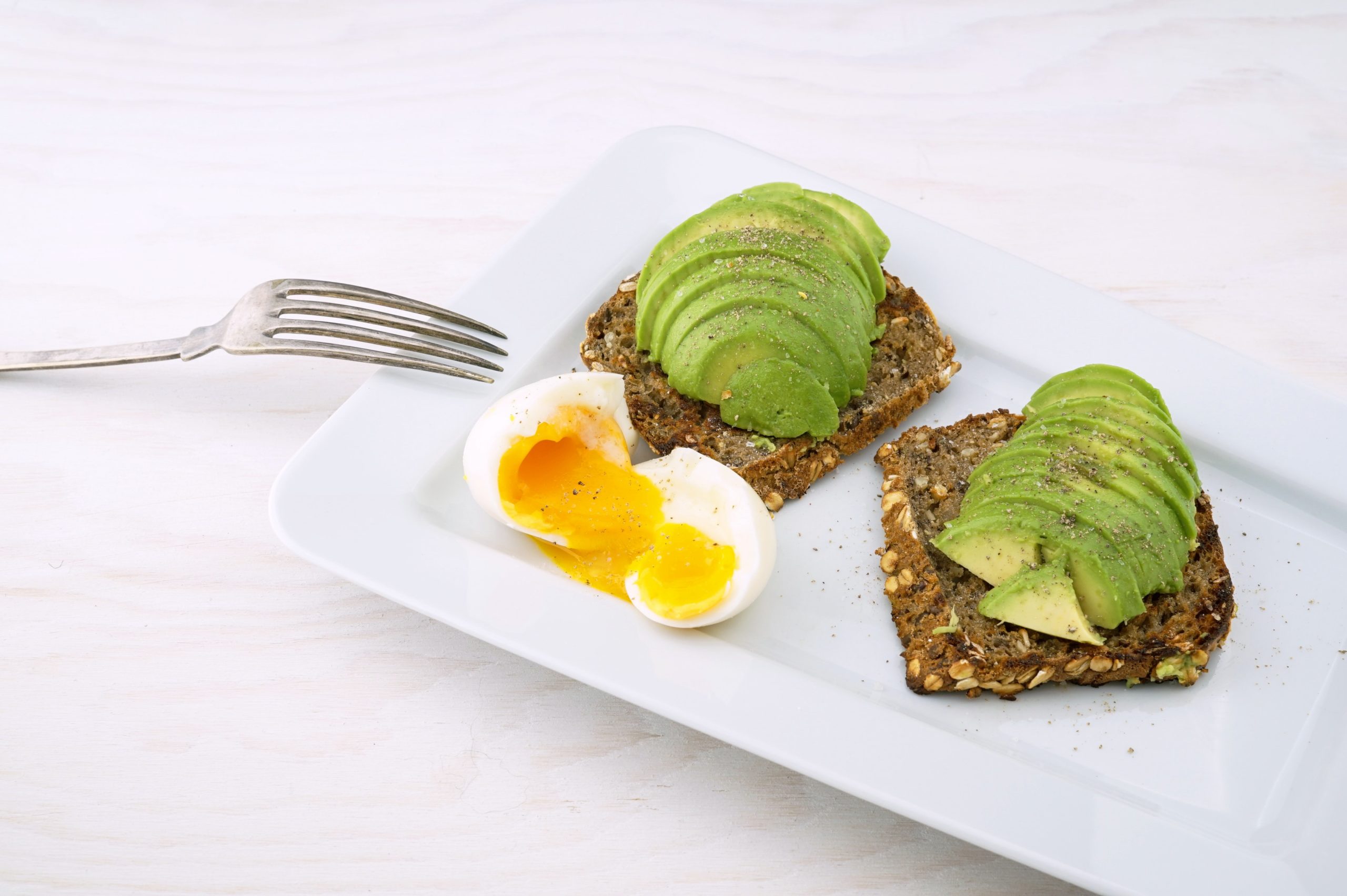
4. Reduce Your Sodium Intake
The main source of sodium in our diets is table salt. But despite needing some sodium in our diet, many people consume far too much. Consuming too much sodium can lead to the development of high blood pressure, which is a risk factor for heart disease.
How Do I Reduce My Sodium Intake?
One easy way to reduce the amount of sodium in your diet is to cut back on the amount used in cooking meals. Adding a combination of herbs and spices in place of salt while cooking can give foods extra flavour.
Other ways to reduce sodium in your diet include limiting the use of canned soups and frozen foods and using "low-sodium" or "no-sodium added" alternatives when possible.You can also limit your intake of high-sodium foods such as,
-
- Table salt
- Tomato juice & other tomato based products
- Canned soups and foods
- Ketchup
- Soy sauce
5. Prioritize Healthy Fats
People can easily get confused over the role of fat in a heart-healthy diet. People usually associated "fat" with the words “bad” and “unhealthy”. But this isn’t exactly the case.
Fat is one of the 3 macronutrients our bodies need to function. Our bodies use fat for,
-
- Protecting our organs and tissues
- Building cell structures and chemicals
- Promoting the absorption of fat-soluble vitamins
- Keeping us warm
Saturated Fats
Saturated fat can increase bad (LDL) cholesterol, which can negatively impact heart health. Although we do not need to eliminate saturated fat from our diet completely, it is suggested that no more than 10% of your daily calories should come from saturated fats.
What Foods Contain Saturated Fats?
Trans Fats
Artificial trans fat can increase bad (LDL) cholesterol while also lowering good (HDL) cholesterol, as well as promoting inflammation. Artificial trans fat is associated with an increased risk of heart disease, insulin resistance and other chronic conditions.
Both Canada and the United States have banned the use of artificial trans fats in commercially prepared foods
What Foods Contain Trans Fat?
Polyunsaturated and Monounsaturated Fats
Polyunsaturated fats and monounsaturated fats are considered healthy fats. Polyunsaturated and monounsaturated fats can be protective against heart disease and can be used to replace saturated and trans fats in the diet. These fats can help,
-
- Lower bad cholesterol and increase good cholesterol
- Lower blood pressure
- Prevent atherosclerosis
- Lower triglyceride levels
It has also been suggested that these fats can help us feel more satisfied after meals, and contribute to weight loss.
Sources of Monounsaturated Fats
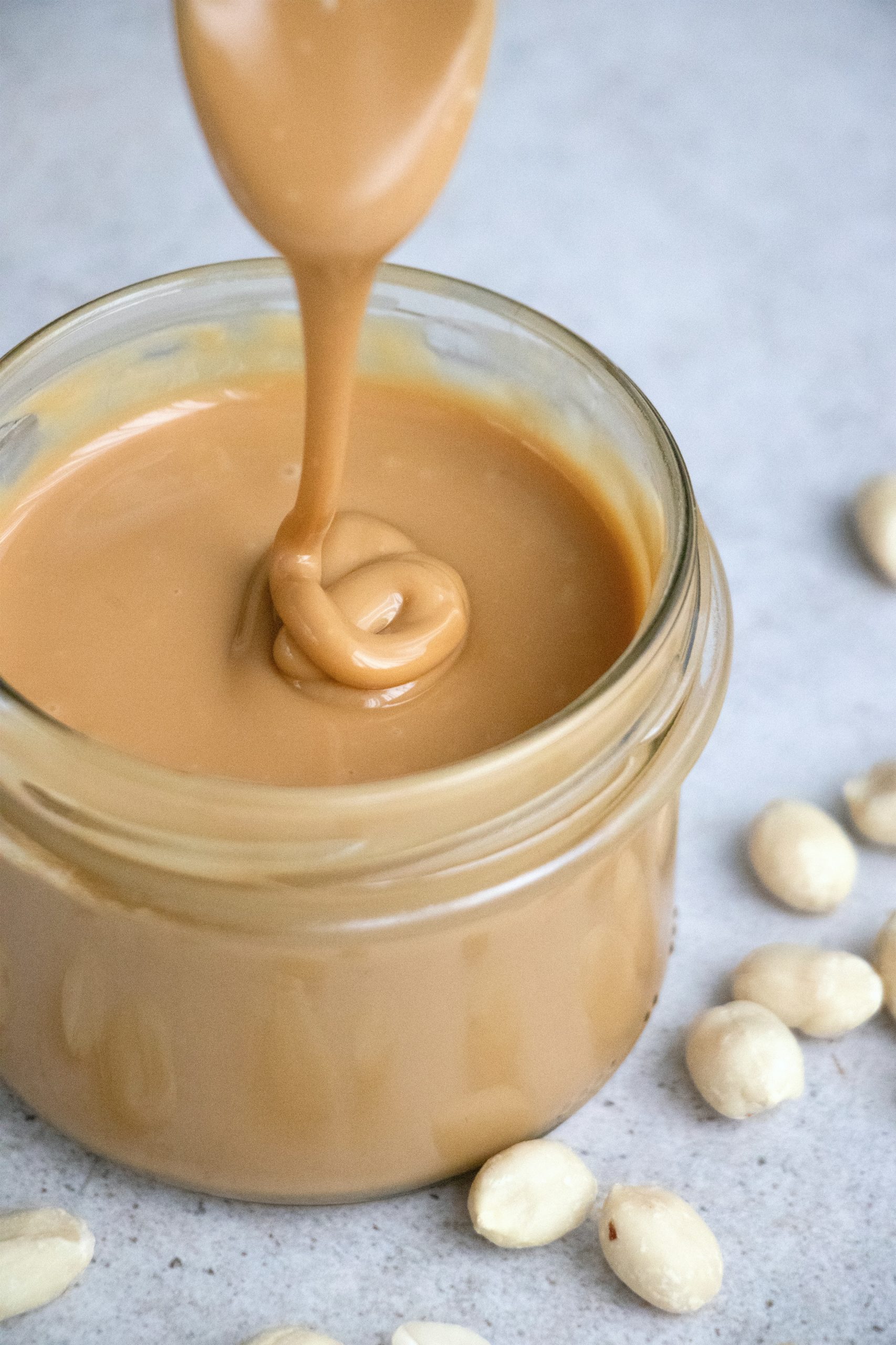
- Olive, canola, peanut, and sesame oils
- Avocados
- Olives
- Nuts (almonds, peanuts, macadamia, hazelnuts, pecans, cashews)
- Peanut butter
Sources of Polyunsaturated Fats
Reducing Your Fat Intake
Although fat is an important macronutrient that our bodies need, many people consume much more fat than needed.
Some ways you can reduce the amount of fat in your diet include,
-
- Choosing low-fat, or reduced-fat alternatives
- Bake, grill, steam or boil foods instead of frying
- Choosing leaner cuts of meat
Other Ways to Protect Your Heart Health
Exercise
Although this may not be part of our “diet”, no heart-healthy lifestyle is complete without exercise. Exercise goes hand-in-hand with a diet when we are trying to protect our hearts. It can help lower our blood pressure, improve cholesterol levels and blood sugar regulation. Visit Harvard Health’s website to learn more about the role exercise plays in keeping our hearts healthy.
The Importance of Whole Grains for Heart Health
Whole grains are integral to a heart-healthy diet, offering numerous benefits that contribute to cardiovascular well-being. They are rich in dietary fiber, which helps lower LDL (bad cholesterol) levels and improves heart health. Unlike refined grains, whole grains retain their bran and germ, providing essential nutrients and antioxidants that combat inflammation. Including a variety of whole grains, such as brown rice, quinoa, oats, and whole wheat bread, can also help regulate blood sugar levels, reducing the risk of type 2 diabetes—a significant risk factor for heart disease.
Additionally, consuming whole grains supports healthy digestion, as they are high in fiber, promoting regular bowel movements and preventing constipation. Research has shown that individuals who consume whole grains regularly have a lower risk of heart disease compared to those who rely on refined grains. Incorporating whole grains into your meals can be as simple as choosing whole grain bread for sandwiches or adding quinoa to salads and bowls. By making these small adjustments, you can significantly enhance your diet and improve your heart health.
- Vegetables (eg. beets) are high in antioxidants, which help combat oxidative stress and inflammation in the body.
- Cruciferous vegetable (eg. kale), known to have compounds that may reduce the risk of heart disease.
- Vegetables are low in calories, making them excellent choices for weight management.
- Foods rich in folate can support heart health by aiding in the regulation of homocysteine levels.
- Calcium and magnesium from food sources are important for maintaining healthy blood pressure.
The Role of Healthy Fats in a Heart-Healthy Diet
Healthy fats are critical for maintaining heart health, as they can help manage cholesterol levels and reduce the risk of cardiovascular diseases. Unsaturated fats, particularly those found in sources like olive oil, avocados, nuts, and fatty fish, can lower LDL cholesterol while increasing HDL (good) cholesterol. This balance is crucial in preventing the buildup of plaque in the arteries, which can lead to heart attacks and strokes.
Incorporating healthy fats into your diet can also aid in the absorption of fat-soluble vitamins (A, D, E, and K), which are essential for overall health. Instead of using saturated fats found in butter and red meat, consider cooking with olive oil or adding a handful of nuts to your meals for a healthy boost. Fatty fish, such as salmon and mackerel, are excellent sources of omega-3 fatty acids, which have been shown to reduce inflammation and lower blood pressure.
Understanding the types of fats and making conscious choices to include healthy fats in your meals can have a profound impact on your heart health. By replacing unhealthy fats with nutrient-dense options, you can work towards reducing your risk of heart disease while enjoying a flavorful and satisfying diet.
- Whole grains provide essential fiber that can enhance the heart-protective effects of healthy fats.
- Healthy fats, like those found in nuts and seeds, can improve the absorption of fat-soluble vitamins from whole grains.
- Both whole grains and healthy fats contribute to satiety, aiding in weight management and overall heart health.
- Including whole grains alongside healthy fats can help stabilize blood sugar levels, further supporting cardiovascular health.
- Whole grains can also reduce inflammation, which is beneficial when combined with the anti-inflammatory properties of healthy fats.
The Benefits of Fiber Intake for Cardiovascular Health
Fiber intake is crucial for heart health, as it offers multiple benefits that can improve cardiovascular function. Soluble fiber, in particular, is effective in lowering LDL cholesterol levels. Foods rich in soluble fiber include oats, legumes, fruits, and vegetables. When consumed, soluble fiber forms a gel-like substance in the digestive tract that binds to cholesterol and helps eliminate it from the body.
A high-fiber diet is also associated with better blood pressure regulation and weight management, both of which are integral to heart health. By promoting a feeling of fullness, fiber-rich foods can help control appetite and prevent overeating. Furthermore, fiber supports healthy digestion and can reduce the risk of developing certain conditions that contribute to heart disease, such as type 2 diabetes and obesity.
To increase your fiber intake, aim to incorporate a variety of fruits, vegetables, whole grains, and legumes into your meals. Start your day with a fiber-rich breakfast, such as oatmeal topped with fruits and nuts, or include beans in your salads and soups. By gradually increasing your fiber intake, you can support your heart health while enjoying diverse and delicious meals.
- Meal prepping can help ensure a variety of heart-healthy foods are available for quick meals throughout the week.
- Using a food diary can assist in tracking intake of vegetables, whole grains, and healthy fats.
- Incorporating themed days, like "Meatless Mondays," can encourage the inclusion of more plant-based foods.
- Utilizing seasonal produce can enhance the flavor and nutrient density of heart-healthy meals.
- Engaging family members in meal planning can foster a supportive environment for maintaining a heart-healthy diet.
Recommendations:
1. Incorporate more whole grains into your diet by swapping refined grains with brown rice, quinoa, or whole wheat pasta.
2. Use healthy fats such as olive oil for cooking and add avocados or nuts to your meals for added flavor and nutrition.
3. Aim to include a variety of fiber-rich foods like fruits, vegetables, legumes, and whole grains in each meal.
4. Plan your meals ahead of time to ensure you have a balanced intake of heart-healthy foods throughout the week.
5. Monitor your cholesterol levels and consult a Registered Dietitian for personalized advice tailored to your health needs.
In summary, maintaining a heart-healthy diet is essential for reducing the risk of cardiovascular diseases and promoting overall well-being. By prioritizing whole grains, healthy fats, and fiber-rich foods, you can make significant strides towards improving your heart health. Remember, the journey to better heart health starts with small, manageable changes to your diet. Focus on incorporating a variety of nutrient-dense foods, and consider meal planning to ensure you meet your nutritional goals consistently. If you have specific health concerns or need personalized guidance, working with a Registered Dietitian can provide you with tailored strategies to support your heart health effectively.
To create a personalized nutrition plan that addresses your specific needs for heart health, consider making an appointment with a Registered Dietitian. They can provide expert guidance and support on your journey to better health through improved nutrition.
Book Your FREE Discovery Call
Are you ready to build your personalized heart healthy diet? Book a FREE discovery call today and get started!
SEO:"heart healthy diet", "meal planning", "Registered Dietitian", "cholesterol management", "whole grains", "healthy fats", "fiber intake", "plant sterols"
References
Death rate for major cardiovascular diseases in Canada from 2000 to 2019. (n.d.). Statistia. Retrieved February 17, 2022, from https://www.statista.com/statistics/434439/death-rate-for-major-cardiovascular-diseases-in-canada/
Healthy diet. (2020, April 29). World Health Organization. https://www.who.int/news-room/fact-sheets/detail/healthy-diet
Heart Disease in Canada. (n.d.). Government of Canada. Retrieved February 17, 2022, from https://www.canada.ca/en/public-health/services/publications/diseases-conditions/heart-disease-canada.html
Heart-healthy diet: 8 steps to prevent heart disease. (2021, February 27). Mayo Clinic. https://www.mayoclinic.org/diseases-conditions/heart-disease/in-depth/heart-healthy-diet/art-20047702
How to eat less saturated fat. (n.d.). National Health Service. Retrieved February 17, 2022, from https://www.nhs.uk/live-well/eat-well/eat-less-saturated-fat/
Saturated Fat. (n.d.). American Heart Association. Retrieved February 17, 2022, from https://www.heart.org/en/healthy-living/healthy-eating/eat-smart/fats/saturated-fats
The many ways exercise helps your heart. (2021, February 15). Harvard Health. https://www.health.harvard.edu/heart-health/the-many-ways-exercise-helps-your-heart
Trans Fats. (2017, March 23). American Heart Association. https://www.heart.org/en/healthy-living/healthy-eating/eat-smart/fats/trans-fat