

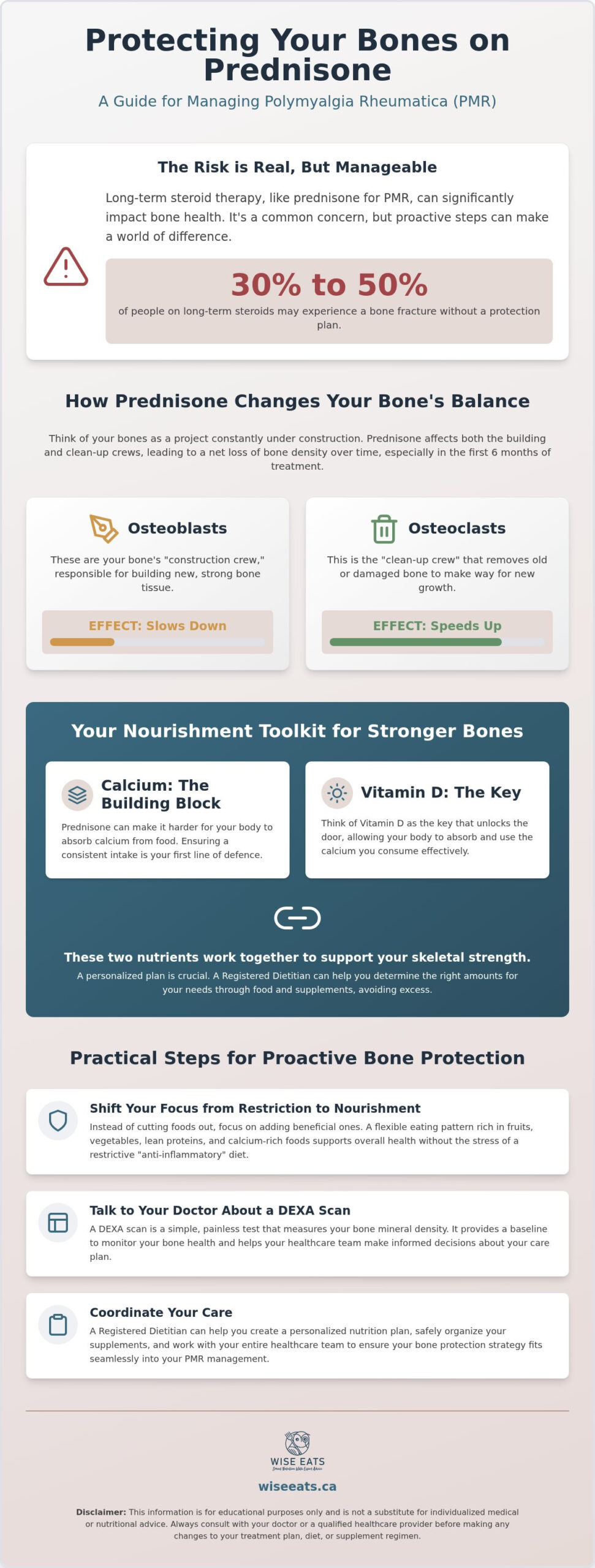
Did you know that between 30% and 50% of people on long-term steroid therapy may experience a bone fracture? It’s a startling figure that often adds a layer of anxiety to an already difficult diagnosis. When you’re finally finding relief from the pain of PMR, the last thing you want is a new set of worries about your skeletal health. We understand how overwhelming it feels to balance the benefits of your medication with the need for protecting your bones with Polymyalgia Rhuematicia while taking prednisone.
You might feel confused by conflicting advice about which supplements actually matter or worry about physical fatigue. It’s okay to feel this way. The good news is that you don’t need a restrictive diet to stay strong. We’re here to help you move from a place of fear to a place of empowerment. You’ll learn how to support your bone density through personalized nutrition and evidence-based strategies that fit your life. This guide provides a clear overview of how to build a manageable plan that prioritizes your nourishment and long-term health. We’ll help you realize that you can take control of your well-being with a steady, supportive approach.
Key Takeaways
- Understand how prednisone affects bone absorption so you can feel more confident and less overwhelmed by your treatment plan.
- Learn why calcium and Vitamin D are the essential building blocks for skeletal strength and how to support their absorption naturally.
- Replace restrictive “anti-inflammatory” dieting with a flexible nourishment strategy that focuses on adding beneficial foods rather than cutting them out.
- Discover the practical steps you can take, from DEXA scans to gentle movement, for protecting your bones with Polymyalgia Rhuematicia while taking prednisone.
- Realize how a personalized nutrition review can help you safely organize your supplements and coordinate care with your healthcare team.
Understanding PMR and How Prednisone Affects Your Bones
Polymyalgia rheumatica, or PMR, is an inflammatory condition that often feels like waking up with a heavy, stiff cloak over your shoulders and hips. This intense muscle pain and stiffness can make even simple tasks, like getting dressed or reaching for a cupboard, feel like a mountain to climb. To quiet this systemic inflammation, doctors often turn to prednisone. It’s a powerful corticosteroid that acts as the “gold standard” for treatment, helping you regain your quality of life quickly. While it’s very effective, it’s also a medication that requires a thoughtful strategy for long-term well-being.
When you start this treatment, the primary focus is usually on finding relief from pain. However, protecting your bones with Polymyalgia Rhuematicia while taking prednisone should be part of the conversation from day one. Prednisone works wonders for inflammation, but it can also change how your body maintains its skeletal strength. Understanding this connection is the first step toward feeling empowered rather than worried about your future health.
To better understand this concept, watch this helpful video:
To understand why bone health changes, we need to look at two specific types of cells. Think of osteoblasts as the “construction crew” that builds new bone, while osteoclasts are the “clean-up crew” that removes old or damaged bone. Prednisone can unfortunately put the construction crew on a slow-motion break while encouraging the clean-up crew to work overtime. This shift can lead to a decrease in bone mineral density. This metric is simply a measure of how much mineral, like calcium, is packed into your bone segments. Keeping this density high is a key part of staying strong and active.
The Role of Corticosteroids in PMR Management
Prednisone is necessary for many people to manage the intense pain of PMR and improve their daily function. It’s important to remember that bone health concerns are a manageable side effect, not a reason to stop your medication. Every person’s response to steroids is unique. This is why a personalized approach is so much more effective than following rigid, generic rules. We’re in this together, and there are many ways to support your body while the medication does its job.
Why Bone Protection is a Priority
Bone loss often happens most rapidly in the first six months of steroid treatment. Research suggests that 30% to 50% of patients on long-term therapy may experience a fracture if they don’t have a protection plan in place. Framing bone health as a priority isn’t about fear; it’s about being proactive. By protecting your bones with Polymyalgia Rhuematicia while taking prednisone, you’re choosing to maintain your independence and mobility for years to come.
The Calcium and Vitamin D Connection: A Personalized Strategy
If bone health is a construction project, then calcium and Vitamin D are your primary building materials. When you’re focused on protecting your bones with Polymyalgia Rhuematicia while taking prednisone, these nutrients become even more critical. Prednisone doesn’t just slow down bone building; it also actively blocks your body’s ability to pull calcium from the food you eat. This double-edged effect means that even if you’re eating plenty of calcium-rich foods, your body might not be getting the full benefit without a strategic approach. This disruption is one reason why long-term steroid use is linked to an increased fragility fracture risk.
Think of Vitamin D as the key that unlocks the door to calcium absorption. Without enough Vitamin D, the calcium you consume might simply pass through your system without being used. However, more is not always better. Taking excessive amounts of supplements can sometimes lead to other health complications. The goal is to find the “Goldilocks” amount that is just right for your specific needs. Research and clinical guidelines, such as those from the American College of Rheumatology, often suggest a total daily intake of 1,000 to 1,200 mg of elemental calcium and 600 to 800 IU of Vitamin D for those on chronic steroids.
Finding Calcium in Your Daily Meals
Nourishing your bones doesn’t have to mean eating foods you don’t enjoy. We believe in food flexibility, which means finding calcium sources that fit your culture and personal tastes. You can find high levels of calcium in dairy products like yogurt and cheese, but also in fortified plant milks, canned salmon or sardines with the bones, and leafy greens like bok choy and kale. A helpful trick is “calcium pacing.” Your body is most efficient at absorbing calcium in doses of 500 mg or less. Instead of one large dose, try spreading your calcium-rich foods throughout the day to give your body more opportunities to absorb what it needs.
Vitamin D: The Sunshine Vitamin in Canada
Living in Canada presents a unique challenge for Vitamin D. During the winter months, the sun’s rays aren’t strong enough at our latitude to trigger Vitamin D production in the skin. Additionally, prednisone can increase the speed at which your body breaks down this vital nutrient. Most Canadians on steroids will require Vitamin D3 (cholecalciferol) to keep their levels in a healthy range. Because everyone’s baseline levels and medication doses differ, personalized vitamin and mineral supplements are often the safest way to ensure you’re getting exactly what you need without overdoing it. If you’re feeling unsure about your current routine, you can book a discovery call to discuss a tailored plan that works for you.
Anti-Inflammatory Nourishment Without Restrictive Dieting
When you search for ways to manage PMR, you’ll likely see a flood of advice about strict anti-inflammatory diets. It can feel like you’re being told to cut out everything you enjoy. We want to offer a different perspective. Protecting your bones with Polymyalgia Rhuematicia while taking prednisone is not about restriction or following a list of forbidden foods. Instead, we focus on nourishment. This means looking at what you can add to your meals to support your body while it works through inflammation. Food is a source of strength, not a set of rules to be feared.
Choosing a weight-inclusive approach allows us to focus on how you feel, your energy levels, and your mobility. It’s not about a number on a scale. Many “detoxes” or “cleanses” marketed for inflammation can actually be harmful. They often lead to nutrient deficiencies and muscle loss, which is the opposite of what your body needs right now. Your bones and muscles need steady, reliable fuel to stay strong. By prioritizing lifestyle integration over rigid rules, you can find a way of eating that feels sustainable and supportive.
The Power of Adding Over Subtracting
Rather than subtracting foods, try adding more colour to your plate. Bright fruits and vegetables are packed with natural antioxidants that help your body manage oxidative stress. You might also consider adding more Omega-3 fatty acids from sources like walnuts, flaxseeds, or fatty fish to support your joint health. It’s helpful to remember that food doesn’t have a moral value. Labelling foods as “good” or “bad” only adds to the emotional weight of managing a chronic condition. Reconnecting with food flexibility can lower your stress and make eating feel like a supportive part of your day.
Protein Intake and Muscle Support
Adequate protein is a silent partner in bone health. Your muscles act as a protective scaffold for your skeleton. When your muscles are strong, they help absorb the impact of movement and reduce the risk of falls. Prednisone can sometimes lead to muscle atrophy, or breakdown, if your protein intake isn’t sufficient. This is particularly concerning because the medication is already linked to osteoporosis (bone loss). Keeping your muscles nourished is a vital part of protecting your bones with Polymyalgia Rhuematicia while taking prednisone.
If you’re dealing with a fatigue flare, focus on simple, protein-rich snacks that require almost no preparation. Some easy options include:
- Greek yogurt or cottage cheese
- Handfuls of nuts or seeds
- Hard-boiled eggs
- Canned tuna or beans
Finding ways to keep your body nourished during these times provides the foundation for your recovery. If you’re looking for more specific guidance on how to integrate these foods into your life, exploring nutrition counselling for medical conditions can provide the clarity and support you need.
Practical Steps for Protecting Your Bones Daily
Where do you begin when the goal is protecting your bones with Polymyalgia Rhuematicia while taking prednisone? While nutrition and biology provide the foundation, your daily habits act as the scaffolding that keeps everything in place. One of the most proactive steps you can take is to consult with your healthcare team about a baseline bone density (DEXA) scan. Since bone loss can happen most rapidly in the first few months of steroid use, having this clear picture early on allows you and your doctor to monitor changes accurately. It’s a simple, non-invasive way to stay informed about your skeletal health.
Beyond medical monitoring, certain lifestyle choices can significantly influence how well your bones maintain their structure. For instance, avoiding smoking and limiting alcohol intake are two impactful ways to support your body. Both habits can interfere with bone-building cells and may further weaken bone segments over time. Instead of viewing these as “rules,” think of them as ways to clear the path for your body to heal and stay strong. Consistency is your best friend here. Small, daily actions often lead to the most sustainable long-term results.
Gentle Movement for Bone Strength
Did you know that your bones are living tissue that responds to the “stress” of movement? When you engage in weight-bearing activities, you’re essentially sending a signal to your body to keep those bones dense and strong. You don’t need to lift heavy weights to see a benefit. Low-impact options like walking, Tai Chi, or using light resistance bands can be incredibly effective. These activities also help with balance and coordination, which are vital for preventing falls. Always listen to your body. On days when fatigue is high or you’re experiencing a flare, gentle stretching or simply moving through a comfortable range of motion is enough. Movement should feel like a way to celebrate what your body can do, not a punishment.
Managing Prednisone Side Effects
Prednisone can sometimes lead to a significant increase in appetite, often called “pred-head,” and fluctuations in blood sugar. We approach these changes with deep compassion. Rather than trying to fight your hunger, focus on regular, satisfying meals that provide a steady source of energy. Consistent meal timing helps stabilize your blood sugar and prevents the energy crashes that often lead to more fatigue. Staying well-hydrated is also essential for digestion and cellular health. If you feel overwhelmed by these changes, a dietitian-designed meal plan can help you feel more in control of your energy levels without the stress of constant decision-making. You deserve to feel supported as you navigate these physical shifts. If you’re ready to create a routine that feels right for you, book a consultation with our team today.
How a Registered Dietitian Can Support Your PMR Journey
Navigating a PMR diagnosis can feel like trying to find your way through a thick fog. Between managing pain and understanding medication side effects, the sheer volume of online advice can be paralyzing. A Registered Dietitian acts as your Expert Guide, filtering out the noise to provide evidence-informed, clinical nutrition therapy. Protecting your bones with Polymyalgia Rhuematicia while taking prednisone is a collaborative process. We don’t just give you a list of foods; we work with you to translate complex science into a manageable, daily routine that feels like a natural part of your life.
One of the most valuable steps in this partnership is a professional supplement review. Because prednisone interacts with how your body processes nutrients, it’s vital to ensure your calcium and Vitamin D doses are accurate and safe. We look for potential interactions and help you organize a supplement schedule that actually works for your body. Through nutrition counselling for medical conditions, we provide the steady hand you need to navigate these changes with clarity and confidence.
Personalized Care vs. Generic Advice
Generic “healthy eating” tips often fall short when you’re managing a condition like PMR. A dietitian looks at your specific lab results, lifestyle, and food preferences to build a plan that is actually realistic for you. The team at Wise Eats Registered Dietitians uses a weight-inclusive lens. This means we focus on your actual health markers and how you feel, rather than a number on the scale. We want to help you find food flexibility and a sense of peace with your body during this transition. If you’re ready to move forward with a plan tailored to your unique needs, we encourage you to contact a dietitian to begin your personalized journey.
When to Seek Extra Support
While we aim for empowerment, there are times when your body might need a little extra attention. It’s important to keep an open dialogue with your healthcare team. Please reach out to your doctor or dietitian if you notice any of these red flags:
- A sudden or sharp increase in bone or joint pain.
- A noticeable loss of height or changes in your posture.
- Feeling overwhelmed, anxious, or paralyzed by food choices.
Management and recovery are possible with the right team by your side. You can live a full, vibrant life with PMR while keeping your bones strong and your body well-nourished. There is always a path toward feeling better, and we are here to help you find it.
Disclaimer: This content is for educational purposes only and is not a substitute for individualized medical advice. Always consult with your healthcare team before making changes to your medication or supplement routine.
Moving Forward with Confidence and Strength
Managing PMR involves more than just addressing immediate inflammation; it’s about looking ahead to ensure your future self remains mobile and strong. We’ve discussed how strategic nourishment and gentle lifestyle adjustments can mitigate the effects of steroids on your skeletal system. By focusing on what you can add to your routine, rather than what you must restrict, you can turn a period of medical management into a time of deep self-care. Protecting your bones with Polymyalgia Rhuematicia while taking prednisone is a goal we can achieve together through personalized, evidence-based strategies.
The team at Wise Eats Registered Dietitians is committed to a weight-inclusive philosophy that prioritizes your unique health markers and personal comfort. Whether you need a detailed supplement review or a meal plan that respects your energy levels, we are here to guide you toward a sense of food flexibility and reconnection with yourself. You have the resilience to navigate this condition; with the right supportive team, you can feel truly empowered in your recovery.
Book a consultation with Wise Eats Registered Dietitians to protect your bone health today.
Frequently Asked Questions
How much calcium do I actually need while taking prednisone for PMR?
Most clinical guidelines recommend a total daily intake of 1,000 to 1,200 mg of elemental calcium when you are on chronic steroids. This total includes the calcium you get from both your food and your supplements. Spreading your intake throughout the day helps your body absorb the mineral more effectively. It is always a good idea to review your specific needs with your healthcare team to ensure your plan is personalized.
Can I protect my bones without taking supplements?
While you can certainly prioritize calcium-rich foods, many people find it challenging to meet the higher requirements through diet alone. Prednisone interferes with how your gut absorbs calcium, making food sources less efficient. Additionally, getting enough Vitamin D from sunshine is difficult in Canada. Using supplements often acts as a reliable insurance policy for protecting your bones with Polymyalgia Rhuematicia while taking prednisone, especially during the winter months.
Is it safe to exercise when my joints feel stiff from PMR?
Gentle movement is not only safe but highly encouraged to help manage stiffness and support bone density. Weight-bearing activities, such as walking or light resistance training, send signals to your bones to stay strong. The key is to listen to your body and adjust your intensity. On days when you feel extra fatigue or stiffness, simple stretching or a short stroll can provide benefits without overtaxing your system.
Do I need a bone density scan as soon as I start prednisone?
Organizing a baseline bone density (DEXA) scan as soon as you begin long-term therapy is a proactive and helpful step. This initial measurement provides a clear starting point for your healthcare team to monitor your skeletal health over time. Since bone loss can happen most quickly in the first few months of treatment, having this data early allows for a more personalized and effective protection strategy.
Are there specific foods I should avoid while taking steroids?
We don’t believe in “forbidden” foods or restrictive dieting; instead, we focus on nourishment and food flexibility. There is no need to cut out entire food groups to manage PMR. It is more helpful to focus on adding beneficial components like protein, fibre, and colourful vegetables. While limiting alcohol and avoiding smoking is recommended for bone health, your overall eating pattern should feel supportive and satisfying rather than restrictive.
How long does it take for prednisone to affect my bone density?
A rapid decline in bone density can begin within the first three months of starting steroid therapy. Research indicates that this bone loss typically peaks around the six-month mark. This is why we emphasize starting your bone-protection plan early. By focusing on nourishment and gentle movement right away, you can help mitigate these changes and support your long-term mobility and independence.
What is the best time of day to take my calcium and Vitamin D?
The best strategy is to space out your calcium intake, as your body absorbs it best in doses of 500 mg or less. You might take one dose in the morning and another with dinner. Vitamin D is fat-soluble, so it is best absorbed when taken with a meal that contains some healthy fats. Spacing these out ensures your body has the best opportunity to utilize these essential building blocks.
Can a dietitian help me manage the weight changes from prednisone?
Yes, a dietitian can help you navigate appetite changes by focusing on satisfaction and blood sugar stability rather than restriction. We use a weight-inclusive approach that prioritizes how you feel and your energy levels. Protecting your bones with Polymyalgia Rhuematicia while taking prednisone involves eating enough to support your muscles and skeleton. We’re here to help you find a peaceful relationship with food while managing the physical shifts that come with medication.

An eating disorder is a serious mental health illness.
If you are in immediate distress or crisis, please contact emergency services by dialling 911 or calling Vancouver Island Crisis Line: 1-888-494-3888. This article is educational information only, not professional diagnosis or treatment. Eating disorders require professional care. If you or someone you know is experiencing: *Severe food restriction or malnutrition *Uncontrollable binge eating or purging *Significant physical symptoms (dizziness, fainting, irregular heartbeat, severe pain) *Thoughts of self-harm or suicide related to eating or body image* Please seek immediate professional help. Contact your physician, local emergency services, or a mental health crisis line. A registered dietitian, psychologist, psychiatrist, and medical team work together to support eating disorder recovery.