
What if the reason the “eat less, move more” advice hasn’t worked isn’t a lack of willpower, but a misunderstanding of your body’s unique hormonal chemistry? It’s exhausting to feel like you’re constantly fighting against your own biology, especially when dealing with symptoms like stubborn cravings, acne, or hair thinning. You might also feel a bit confused by the official 2026 shift in terminology from PCOS to Polyendocrine Metabolic Ovarian Syndrome (PMOS). If you’ve felt unheard in the past, working with a dietitian for PMOS Canada can offer a supportive, non-judgmental approach that prioritizes your peace of mind and hormonal health.
We know that navigating these medical updates can feel overwhelming, but we’re in this together. This article will help you understand what the PMOS name change actually means for your care and how evidence-informed nutrition may help manage insulin resistance. You’ll discover practical strategies to support your body and learn how a professional partner can help you find clarity in a field full of misinformation. Please note that this article is for educational purposes and is not a substitute for professional medical advice. It’s always important to consult with your own healthcare team regarding your specific needs.
Key Takeaways
- Understand the 2026 transition from PCOS to PMOS and why this name change shifts the clinical focus toward your overall metabolic and hormonal health.
- Discover how gentle nutrition strategies can help manage insulin resistance and reduce intense cravings while maintaining a positive relationship with food.
- Learn why a weight-neutral approach may be a more sustainable and compassionate way to support your body than restrictive, traditional dieting methods.
- Find out how working with a dietitian for PMOS Canada can support your journey through custom meal planning and evidence-informed supplement education.
- Identify the key signs of when to seek professional guidance to ensure your hormonal management plan is safe, practical, and personalized for your unique needs.
What is PMOS? Understanding the 2026 Transition from PCOS
In May 2026, the medical community took a significant step by officially renaming Polycystic Ovarian Syndrome (PCOS) to Polyendocrine metabolic ovarian syndrome (PMOS). This shift isn’t just about a new acronym; it represents a deeper understanding of how the condition affects your whole body. For years, the focus was primarily on the ovaries. Now, healthcare providers recognize that it is a systemic hormonal and metabolic condition. If you’ve felt that your symptoms reach far beyond your reproductive health, this name change validates your experience. It highlights that the root of the struggle often lies within the endocrine system, which manages everything from your energy levels to how you process food. Working with a dietitian for PMOS Canada can help you make sense of these complex changes in a way that feels manageable and clear.
Why ‘Polycystic’ was Misleading
The term “polycystic” often caused unnecessary fear. Many people hear “cysts” and think of painful growths that might require surgery. In reality, what clinicians see on an ultrasound are actually small, fluid-filled follicles. These are a normal part of how ovaries function. They simply haven’t matured or released an egg as expected due to hormonal signals. By moving to the name PMOS, the medical field acknowledges that the “cysts” are a symptom, not the cause. This allows your care team to focus on the underlying endocrine disturbances. Your endocrine system acts like a complex communication network. When these signals get crossed, it affects how your body stores energy and regulates hormones.
Recognizing PMOS Symptoms Beyond the Ovaries
PMOS shows up differently for everyone. In Canada, many people find that their most disruptive symptoms are actually metabolic or related to elevated androgens. You might experience metabolic signs like insulin resistance, persistent fatigue, and intense cravings for starches that feel impossible to ignore. There are also androgen-related signs. High levels of certain hormones can lead to adult acne, thinning hair on the scalp, or unwanted hair growth on the face. Living with these changes can be exhausting. It is normal to feel anxious or frustrated when your body doesn’t seem to respond to traditional health advice. The emotional toll is real, and validation is a huge part of the healing process. You don’t have to manage this alone. A multi-disciplinary team, including your family doctor and a dietitian for PMOS Canada, provides a steady hand. They can offer nutrition counselling for medical conditions that respects your lifestyle and your unique history.
The Science of Nutrition for PMOS Management
Managing your health is much easier when you understand how your body processes energy. At the heart of this condition is insulin resistance, which affects approximately 70% of those with PMOS. Think of insulin as a key that unlocks your cells to let in glucose for energy. In many cases, the “locks” on the cells don’t work quite right. Your body then pumps out extra insulin to compensate. This high level of insulin can signal your ovaries to produce more testosterone, leading to the symptoms you may be experiencing. Because of this deep link between hormones and metabolism, the condition was recently renamed polyendocrine metabolic ovarian syndrome (PMOS) to better reflect these metabolic roots. A dietitian for PMOS Canada can help you translate this science into a daily routine that supports your unique body.
Managing Insulin Resistance with Balance, Not Boredom
You don’t need to cut out entire food groups to find balance. Instead, we focus on “gentle nutrition.” This means pairing carbohydrates with protein and fibre to slow down how quickly sugar enters your bloodstream. This “Plate Method” helps prevent the sharp energy spikes and crashes that often fuel intense cravings. Have you ever noticed that you feel more tired after skipping a meal? Skipping meals can actually worsen hormonal fluctuations by putting your body in a state of stress. Using tools like the glycemic index can help you make informed choices about which carbohydrates provide more sustained energy. It’s about adding what your body needs rather than focusing on restriction.
Addressing Inflammation Through Food
Research suggests that PMOS is often linked to low-grade inflammation, which can make hormonal symptoms feel more intense. You can support your body by focusing on anti-inflammatory building blocks. Omega-3 fatty acids, found in foods like Canadian salmon or flaxseeds, may help soothe this inflammation. Antioxidants from colourful fruits and vegetables also play a protective role. Supporting your gut microbiome is another piece of the puzzle, as a healthy gut helps manage metabolic function. We prefer to focus on discovering nutritious Canadian-made foods that add flavour and vitality to your life. Because every person’s experience with this syndrome is different, you might find it helpful to reach out for a conversation about your specific goals and how a dietitian for PMOS Canada can guide you through these nutritional changes.
Moving Beyond Weight: A Weight-Neutral Approach to PMOS
If you have ever visited a doctor for hormonal concerns, you have likely heard the suggestion to “just lose weight.” This advice can feel incredibly dismissive. It often ignores the complex metabolic reality of living with Polyendocrine Metabolic Ovarian Syndrome. For many, the scale becomes a source of anxiety rather than a tool for health. A weight-neutral approach focuses on what your body can do and how you feel, rather than a specific number. When you work with a dietitian for PMOS Canada, the goal shifts from shrinking your body to nourishing it. We look at clinical markers like your A1c levels, energy stability, and the regularity of your cycle to measure progress. This shift in focus can lower your stress and make health goals feel much more attainable.
There is a strong link between hormonal imbalances and the binge-restrict cycle. Constant dieting can lead to intense cravings, which are often a biological response to restriction rather than a lack of self-control. This pattern can contribute to disordered eating habits that make managing your health even more difficult. By moving away from restrictive rules, you can begin to break this cycle. You can find more information about PCOS treatment and management options that prioritize sustainable lifestyle changes over quick fixes on government health sites. Weight stigma in healthcare can often delay proper support, but focusing on behaviour over body size can help you reclaim your health journey.
Why Diets Often Fail for Those with PMOS
Severe calorie restriction can backfire. Your body is smart. When it perceives a shortage of energy, it may slow down your metabolism to protect you. This adaptation makes traditional weight loss even harder for those with PMOS. Chronic dieting also increases cortisol, a stress hormone that can further disrupt your insulin and androgen levels. Instead of fighting your biology, we focus on sustainable behaviours you actually enjoy. This might include finding movement that feels good or adding more fibre to your favourite meals.
What is Weight-Inclusive Care?
Weight-inclusive care means that everyone deserves respectful healthcare regardless of their body size. It is a compassionate way to manage a clinical condition without the shame often found in traditional diet culture. A dietitian for PMOS Canada acts as a partner in this process. We help you build a positive relationship with food while addressing the specific needs of your endocrine system. If you have struggled with your relationship with food in the past, our Eating Disorder Recovery support can be a vital part of your journey toward hormonal harmony. We believe that health is possible at many different sizes, and your care should reflect that reality.
Practical Strategies and When to Seek Professional Help
Living with PMOS doesn’t mean your life has to revolve around a rigid set of rules. We believe that the most effective strategies are the ones that fit seamlessly into your existing routine. Whether you’re juggling work in Vancouver or family life in the Kootenays, your nutrition should support you, not stress you out. Creating a supportive environment starts with simple, repeatable habits. This might look like having a few go-to recipes that use pantry staples or keeping satisfying snacks on hand to prevent mid-afternoon energy crashes. Working with a dietitian for PMOS Canada can help you build a toolkit of practical solutions that honour your time and your taste buds.
Gentle Nutrition Habits for Daily Life
Fibre is a quiet hero when it comes to managing blood sugar stability. Focusing on pulses like lentils and chickpeas, which are grown right here in Canada, is an excellent way to add both fibre and plant-based protein to your meals. You can also lean into local Canadian produce like berries or apples to add antioxidants that support your hormonal health. Don’t forget about the power of regular snacks. Pairing a piece of fruit with some nuts or yogurt can help keep your insulin levels steady throughout the day. Hydration also plays a subtle but vital role in maintaining energy and supporting skin health. These small shifts can lead to significant improvements in how you feel each day.
Beyond the plate, we also need to consider pillars like sleep and stress management. High stress can increase cortisol, which can impact your insulin levels. Some people also find personalized vitamin and mineral supplements helpful. Research into Inositol and Vitamin D for PMOS is promising, but these should always be discussed with a professional to ensure they are safe and appropriate for you. Taking a proactive approach to your sleep hygiene can also help regulate the hormones that control hunger and fullness.
When to Seek Specialized Help
While general education is a great starting point, it isn’t a substitute for individualized care. There are times when a closer, more personal look is necessary for your safety and well-being. You should consider seeking specialized help if:
- You are experiencing signs of a clinical eating disorder or feel intense anxiety around food choices.
- Your symptoms are significantly impacting your fertility or your daily quality of life.
- You are managing co-existing conditions like Type 2 Diabetes, thyroid issues, or kidney disease.
- You feel overwhelmed by conflicting nutrition advice and don’t know where to start.
An individualized assessment by a Registered Dietitian is the gold standard for creating a plan that is safe and effective for your specific health history. If you are ready to move forward with a partner who understands your journey, please reach out to us for a consultation. This article is for educational purposes and is not a substitute for professional medical advice. Always consult with your own healthcare team before making changes to your health routine.

How Wise Eats Supports Your PMOS Journey
How do you move from understanding the science of your hormones to actually feeling better in your daily life? It starts with having a knowledgeable partner by your side to help you navigate the noise. At Wise Eats Registered Dietitians, we provide personalized nutrition counselling that is specifically tailored to your unique hormonal profile. We know that no two people experience this condition the same way. Working with a dietitian for PMOS Canada ensures that your care is based on the latest Canadian guidelines and a deep respect for your personal history. Our philosophy is simple: we offer compassionate, evidence-based care that is entirely non-judgmental. We are here to help you find clarity, not to add more stress to your plate.
One of the biggest hurdles in managing a metabolic condition is the mental load of food decisions. The custom meal planning services at Wise Eats Registered Dietitians are designed to remove that guesswork. We focus on building meals that support your energy and hormone balance while honouring your personal preferences. This isn’t about a generic “one-size-fits-all” plan. It’s about a strategy that fits your busy life and helps you feel more like yourself again. We believe that nutrition counselling for medical conditions should be practical and sustainable for the long term.
The Wise Eats Consultation Process
Your journey begins with a deep dive into your health history and your personal goals. In your first session, we listen to your story. We want to understand what hasn’t worked for you in the past and what you hope to achieve now. This is a collaborative process where we set goals together, respecting your autonomy every step of the way. PMOS management has its ups and downs. Because of this, Wise Eats Registered Dietitians offer ongoing support to help you navigate changes and stay on track with your health goals. Our team acts as a steady hand, helping you filter out misinformation and stay focused on what truly helps your body.
Accessing Care Across Canada
We believe that expert care should be accessible no matter where you live. Our virtual counselling options allow you to meet with a BC Registered Dietitian from the comfort of your own home. This flexibility makes it easier to fit health appointments into a demanding schedule. Many people aren’t aware that their extended health benefits may cover Registered Dietitian services. We encourage you to check your plan, as this can often lower the cost of professional support. It’s a simple way to invest in your long-term well-being.
Taking the first step can feel daunting, but you don’t have to do it alone. You can book a discovery call today to see if our approach is the right fit for you. Please remember that the information in this article is for educational purposes and is not a substitute for professional medical advice. We always recommend consulting with your own healthcare team to ensure any new strategies are safe for your specific situation. We are here to support those informed discussions between you and your providers.
Taking the Next Step Toward Hormonal Clarity
You now understand that PMOS is more than just a reproductive concern; it’s a systemic metabolic condition that deserves a compassionate, evidence-based response. By shifting your focus from the scale to sustainable habits like gentle nutrition and blood sugar balance, you can begin to work with your body instead of against it. Breaking the cycle of restriction allows you to reclaim your health journey. It’s about your well-being, not just a number.
Our team, led by Rachel McBryan, RD, is here to act as your knowledgeable partner. We specialize in weight-neutral, HAES-aligned care and custom meal planning designed specifically for complex metabolic conditions. Working with a dietitian for PMOS Canada provides you with a supportive ally who can translate complex data into a practical, everyday plan. If you’re ready to find peace with food, we invite you to book a consultation with a Registered Dietitian to organize your PMOS nutrition plan. You deserve care that validates your experience and empowers you to move forward with confidence. Please note that this article is for educational purposes and is not a substitute for professional medical advice.
Frequently Asked Questions
What is the difference between PCOS and PMOS?
PMOS is the updated name for PCOS as of May 2026. This change helps clarify that the condition is a systemic hormonal and metabolic issue rather than one limited to the ovaries. While the old name focused on the appearance of “cysts,” the new name, Polyendocrine Metabolic Ovarian Syndrome, encourages a broader look at how your endocrine system and metabolism work together.
Can a dietitian help me manage PMOS without me having to lose weight?
Yes, you can absolutely focus on your health without prioritizing weight loss. When you work with a dietitian for PMOS Canada, we focus on clinical markers like energy levels, blood sugar stability, and cycle regularity. A weight-neutral approach allows us to improve your quality of life and hormonal health by focusing on sustainable behaviours rather than a number on the scale.
Are there specific ‘superfoods’ that effectively manage PMOS?
There are no specific “superfoods” that can resolve this condition on their own. While foods like lentils, seeds, and leafy greens provide helpful nutrients, they work effectively when they are part of a balanced, varied eating pattern. We prefer to focus on a variety of nourishing foods that you actually enjoy eating rather than searching for a single magic ingredient.
How long does it take to see improvements in PMOS symptoms with nutrition?
Every person’s timeline is different, but many people notice energy improvements within a few weeks of stabilizing their blood sugar. Changes related to skin health or menstrual cycles often take three to six months to become noticeable. This is because your hormones require several cycles to respond to new nutritional patterns and lifestyle shifts. Consistency and patience are important parts of the process.
Do I need to go gluten-free or dairy-free for PMOS?
Most individuals do not need to eliminate gluten or dairy. Current research does not suggest that these foods cause the condition or that avoiding them is necessary for everyone. Unless you have a diagnosed allergy or a personal sensitivity, these foods can be part of a balanced diet. Unnecessary restriction can sometimes make meal planning more stressful and less satisfying.
Can PMOS be managed through diet alone, or do I need medication?
Nutrition is a powerful tool, but it is often one piece of a larger puzzle. Some people manage their symptoms well through lifestyle changes, while others may find that a combination of nutrition, supplements, and medication is the right fit. We always encourage you to work closely with your family doctor or specialist to ensure all aspects of your health are being addressed.
What should I look for when choosing a dietitian for PMOS in Canada?
It is important to choose a Registered Dietitian who is licensed in your province and understands the Canadian healthcare system. Look for a professional who uses a weight-inclusive or HAES-aligned approach. Finding a dietitian for PMOS Canada who listens to your concerns and respects your personal history will help ensure your plan is practical, safe, and tailored to your life.
How often should I meet with a dietitian for my hormonal health?
The frequency of sessions depends on your specific goals and how much support you feel you need. Many people begin with an initial assessment followed by follow-up sessions every few weeks to build new habits and adjust their plan. As you become more confident in your routine, you might only need to check in occasionally to navigate new challenges or life changes.
Disclaimer: This article is for educational purposes and is not a substitute for professional medical advice. Please consult with your own healthcare team before making changes to your health routine.
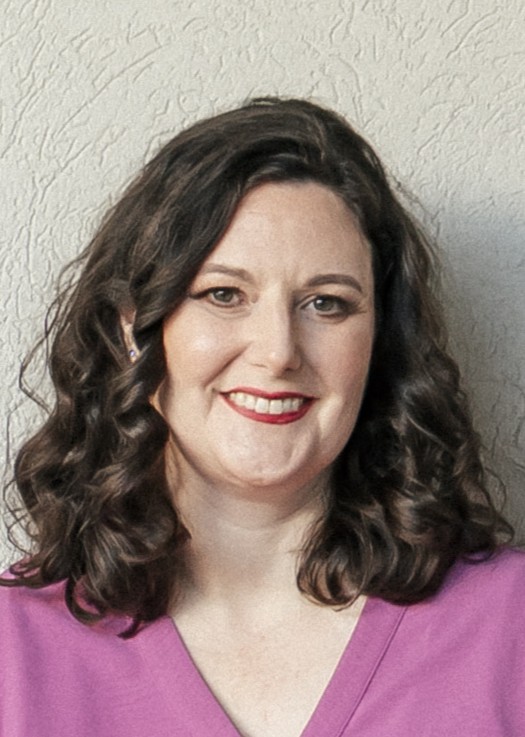
Article by
Rachel McBryan, Dietitian
Rachel McBryan is a licenced Dietitian in British Columbia offering comprehensive nutrition counselling as virtual and/or in-person counselling sessions to suit your needs and preferences. With a Bachelor of Science in Nutrition and Food Science, Rachel has over 20 years experience helping people address their health through nutrition. She was awarded Human Nutrition and Food Science BSc.from University of Alberta followed by post-grad course work at UBC in guidance counselling.
An eating disorder is a serious mental health illness.
If you are in immediate distress or crisis, please contact emergency services by dialing 911 or calling Vancouver Island Crisis Line: 1-888-494-3888. This article is educational information only, not professional diagnosis or treatment. Content is AI generated and may not be reviewed for accuracy.