
What if the “perfect” diet you found online is actually the reason you’re still feeling stuck? It’s exhausting to navigate a sea of conflicting nutrition rules while managing a health condition. You’ve likely tried generic plans that promise everything but leave you feeling frustrated and restricted. You deserve a personalized meal plan for health conditions that acts as a supportive partner rather than a rigid set of rules.
We understand the anxiety that comes with food triggers and the confusion of not knowing what to put on your plate. It’s our goal to help you replace that overwhelm with a sense of hope and clarity. We’re in this together. By focusing on evidence-informed strategies tailored to your unique needs, you can begin to manage your symptoms with confidence. This guide will show you how a collaborative nutrition roadmap can organize your life while respecting your personal preferences.
We’ll explore how a tailored approach helps you foster a sustainable, peaceful relationship with food. This article is for general educational purposes and is not a substitute for individualized medical or nutrition advice. Please speak with a physician, nurse practitioner, pharmacist, or registered dietitian for guidance tailored to your specific needs.
Key Takeaways
- Learn why generic advice often misses the mark and how a strategy tailored to your lifestyle helps you find clarity.
- Understand how a Registered Dietitian translates clinical standards into a safe, practical routine that fits your daily life.
- Explore how a personalized meal plan for health conditions provides a clear roadmap for managing specific concerns while respecting your body’s needs.
- Discover a collaborative process that treats you as the expert on your own life to ensure your nutrition plan is sustainable.
- Identify when to speak with a physician or registered dietitian to move from general education to a plan tailored to your specific medical needs.
What is a Personalized Meal Plan for Health Conditions?
To better understand how these plans come together, watch this helpful video:
Beyond the One-Size-Fits-All Approach
Everyone’s body is different. What works for a neighbour or a friend might trigger symptoms for you, even if the food is considered “healthy” by standard definitions. This concept is known as bio-individuality. In some cases, a high-fibre food might support heart health for one person while causing significant discomfort for someone with a digestive condition. A personalized approach helps identify these specific triggers without the guesswork. It moves you away from rigid restriction and toward a sense of freedom. By understanding your body’s unique signals, you can begin to choose foods that make you feel your best.
The Role of Evidence-Informed Nutrition
Evidence-informed care is a blend of the latest research, clinical expertise, and your personal values. It’s a standard used in Medical Nutrition Therapy to ensure that any changes you make are safe, effective, and sustainable. Nutrition science is constantly changing; it requires professional interpretation to separate facts from passing fads. Working through nutrition counselling for medical conditions allows you to bridge the gap between complex data and your actual dinner plate. This methodical approach ensures your plan is grounded in science while remaining flexible enough to fit your real life.
This article is for general educational purposes and is not a substitute for individualized medical or nutrition advice. Please speak with a physician, nurse practitioner, pharmacist, or registered dietitian for guidance tailored to your specific needs.
The Importance of Working with a Registered Dietitian
Who can you trust when the internet is overflowing with conflicting nutrition rules? In Canada, “Registered Dietitian” is a protected professional title. This isn’t just a label; it’s a guarantee of rigorous education and clinical training. Much like nursing or pharmacy, this regulation ensures that the person helping you has the expertise to handle complex medical needs safely. The regulatory framework, such as the BC Health Professions Act, exists to protect the public by holding professionals to high ethical and clinical standards. This oversight means you receive advice grounded in established science rather than passing trends.
Registered Dietitian vs. Nutritionist in Canada
Understanding the dietitian vs nutritionist Canada distinction is vital for your peace of mind. While many people use these terms interchangeably, only dietitians are regulated health professionals in British Columbia. This matters because a personalized meal plan for health conditions requires a deep understanding of clinical standards. Registered Dietitians use frameworks like Personalized Flexible Meal Planning to ensure your strategy is evidence-informed. This professional oversight acts as a filter. It protects you from unverified online trends that might not be safe for your specific situation.
A Compassionate and Non-Judgmental Approach
Have you ever felt judged for your food choices? Many people avoid seeking help because they fear being “scolded” by a professional. We believe in a different approach. A dietitian acts as a knowledgeable partner rather than a cold authority figure. We provide a safe, supportive space where your experiences are validated. This partnership is built on warm empathy and practical solutions. By removing food-shaming and moralizing from the conversation, we help lower your defenses. This clarity allows you to focus on what truly matters: your well-being. We’re in this together, working to build a sustainable relationship with food that fits your life. If you have questions about how this partnership works, you can connect with us to learn more.
This article is for general educational purposes and is not a substitute for individualized medical or nutrition advice. Please speak with a physician, nurse practitioner, pharmacist, or registered dietitian for guidance tailored to your specific needs.
Tailoring Nutrition for Complex Health Concerns
Managing a health condition can feel like walking a tightrope. One day you’re told to eat more fibre; the next, you’re told it can cause bloating. This is why a personalized meal plan for health conditions must be flexible. It isn’t a static document. It’s a living strategy that evolves as your symptoms change. Our primary goal isn’t just to manage numbers on a lab report. We want to improve your quality of life so you can focus on what you love, rather than just what’s on your fork. Professional oversight ensures that while you’re managing one concern, you aren’t accidentally creating another.
Managing Digestive Health and IBS
Living with a sensitive gut often means living with unpredictability. When exploring nutrition for digestion problems, we often look at structured frameworks like the Low FODMAP approach. This method helps identify which carbohydrates may be triggering your symptoms. However, these plans can be quite restrictive. Without professional supervision, you might accidentally miss out on essential vitamins or minerals. A dietitian helps you navigate the complexities of Food Shopping and Meal Planning so you can find relief while still meeting your nutritional needs. It’s about finding comfort without sacrificing variety.
Support for Eating Disorder Recovery
When to Seek Help
While general information is helpful, some situations require immediate, individualized assessment. You should speak with a healthcare professional if you experience:
- Sudden, unexplained weight changes or severe fatigue.
- Persistent digestive pain that interferes with your daily activities.
- Intense anxiety, guilt, or fear surrounding food and eating habits.
- A new diagnosis of a complex condition like kidney disease or a severe food allergy.
This article is for general educational purposes and is not a substitute for individualized medical or nutrition advice. Please speak with a physician, nurse practitioner, pharmacist, or registered dietitian for guidance tailored to your specific needs.
What to Expect in the Meal Planning Process
How do we turn a mountain of health information into a simple, daily routine? Moving from a state of uncertainty to a decisive, organized action plan is a journey. It starts by acknowledging that you are the expert on your own life. While a dietitian brings clinical knowledge, you bring the lived experience of your preferences, schedule, and budget. A personalized meal plan for health conditions is not a rigid prescription handed down from an office. Instead, it is a collaborative roadmap designed to fit into your actual life, not an idealized version of it.
The Comprehensive Assessment Phase
Before we can decide where you’re going, we need to understand where you are. A Registered Dietitian looks at much more than just a food log. We consider your sleep patterns, stress levels, and relevant laboratory results. This phase may also include an objective look at your body composition to understand your unique physiological needs. By understanding your current habits, we can identify small, manageable changes that don’t feel overwhelming. This thoroughness ensures the strategy is built for your specific body and lifestyle.
Collaborative Goal Setting
Once we have a clear picture, we work together to set achievable milestones. We believe that plans must be practical and budget-friendly to be sustainable. If a meal plan doesn’t survive a busy Tuesday or a social dinner with friends, it isn’t the right plan for you. Flexibility is a core part of the process. You and your custom meal planning dietitian will refine the approach as you go. We focus on progress rather than perfection, ensuring the goals feel like a relief rather than another chore on your to-do list.
The transition from “what should I do?” to “I know my next step” provides immense peace of mind. We are here to act as your steady hand, helping you filter out the noise and focus on what truly works for your well-being. If you’re ready to move toward a more organized nutrition strategy, you can reach out to us to start your journey today.
This article is for general educational purposes and is not a substitute for individualized medical or nutrition advice. Please speak with a physician, nurse practitioner, pharmacist, or registered dietitian for guidance tailored to your specific needs.
Moving Forward with Your Personalized Nutrition Plan
How do you maintain momentum once the initial excitement of a new plan fades? A professional strategy provides the clarity needed to realize your long-term health goals. It is vital to remember that nutrition is a continuous journey rather than a quick fix or a “cure.” Your body’s needs can change over time, and your plan should be flexible enough to change with them. Expert assistance is truly about bringing ease and relief to your daily life, not about creating more work for you to manage.
The Value of Ongoing Support
Why are regular check-ins so helpful for your progress? As your health evolves, your personalized meal plan for health conditions may need subtle adjustments to remain effective. A dietitian helps you navigate new research or shifting symptoms with a steady hand. You don’t have to filter through complex or conflicting health information alone. We act as a proactive partner, appearing as a reliable figure who can translate new data into actionable steps. This ongoing relationship allows us to act as a filter against misinformation, protecting your peace of mind as you move forward.
Taking the First Step Toward Clarity
Take a moment to reflect on your current nutrition challenges. Are you feeling frustrated by diets that don’t work? Do you feel anxious about food triggers or confused by conflicting “rules”? Seeking professional guidance is a decisive action that moves you away from uncertainty. If you feel ready to simplify your approach to food, you can connect with a dietitian to discuss your general goals. We are here to help you build a sustainable relationship with food that respects your lifestyle and your health.
This article is for general educational purposes and is not a substitute for individualized medical or nutrition advice. Please speak with a physician, nurse practitioner, pharmacist, or registered dietitian for guidance tailored to your specific needs.
Embracing a Clearer Path to Wellness
If you’re ready to find relief and clarity, we’re here to help. Book a consultation to start your personalized nutrition journey and take a decisive step toward your health goals. We’re in this together, and we look forward to supporting your peace of mind.
This article is for general educational purposes and is not a substitute for individualized medical or nutrition advice. Please speak with a physician, nurse practitioner, pharmacist, or registered dietitian for guidance tailored to your specific needs.
Frequently Asked Questions
Can a personalized meal plan help with more than one health condition at once?
Yes, a professional plan can certainly address multiple health concerns simultaneously. Your dietitian acts as a filter to ensure that advice for one condition doesn’t conflict with another. For example, if you’re managing both heart health and digestive comfort, the strategy integrates high-fibre choices that are also gentle on the gut. This holistic approach ensures your personalized meal plan for health conditions is cohesive and safe for your entire body.
How is a dietitian-made meal plan different from one I find online?
Will I have to give up all my favourite foods on a clinical meal plan?
You don’t have to abandon the foods you love to see improvements in your health. We focus on lifestyle integration rather than rigid restriction. The goal is to find a balance where your favourite meals can still have a place within a supportive framework. By focusing on what to add rather than what to remove, we help you build a sustainable relationship with food that feels like a relief, not a chore.
How long does it typically take to see results from a personalized nutrition strategy?
The timeline for seeing changes varies significantly depending on your specific goals and health status. Some people notice improvements in digestive comfort within a few weeks; however, metabolic changes or rebuilding a relationship with food often take several months. Nutrition is a steady journey, not a quick fix. We focus on sustainable progress and small milestones that lead to long-term clarity and a better quality of life.
Is a personalized meal plan covered by my private insurance in Canada?
Many private insurance providers in Canada do offer coverage for Registered Dietitian services. You should check your specific extended health benefits package to see if “Registered Dietitian” is a covered provider. As of December 2025, Health Savings Accounts (HSA) and Flexible Spending Accounts (FSA) can often be used for these plans if you have a Letter of Medical Necessity. It’s always best to verify your coverage limits before starting.
Do I need a referral from my doctor to see a Registered Dietitian?
What happens if the meal plan feels too difficult to follow?
If a plan feels too difficult to follow, we treat that as valuable information and adjust the strategy together. A meal plan is a collaborative roadmap, not a rigid set of rules you must follow perfectly. We can simplify recipes, adjust grocery shopping habits, or change the timing of meals to better suit your actual life. The focus is always on making your routine feel more organized and less stressful.
Can a meal plan help if I also take medication for my health condition?
This article is for general educational purposes and is not a substitute for individualized medical or nutrition advice. Please speak with a physician, nurse practitioner, pharmacist, or registered dietitian for guidance tailored to your specific needs.
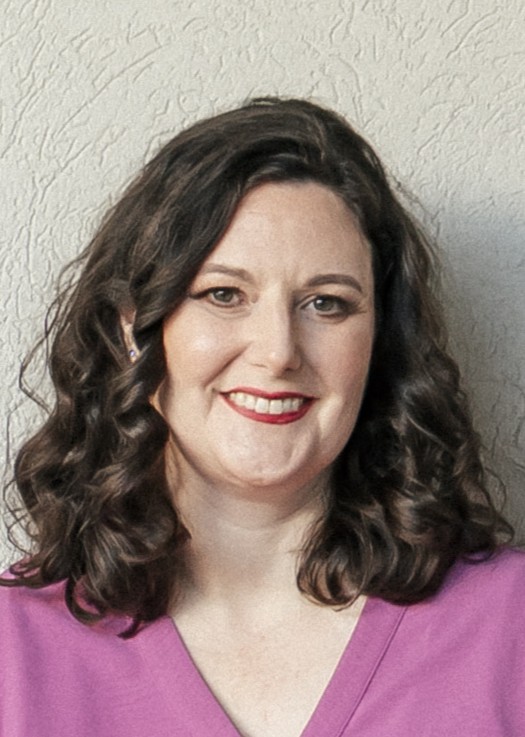
Article by
Rachel McBryan, Dietitian
Rachel McBryan is a licenced Dietitian in British Columbia offering comprehensive nutrition counselling as virtual and/or in-person counselling sessions to suit your needs and preferences. With a Bachelor of Science in Nutrition and Food Science, Rachel has over 20 years experience helping people address their health through nutrition. She was awarded Human Nutrition and Food Science BSc.from University of Alberta followed by post-grad course work at UBC in guidance counselling.
An eating disorder is a serious mental health illness.
If you are in immediate distress or crisis, please contact emergency services by dialing 911 or calling Vancouver Island Crisis Line: 1-888-494-3888. This article is educational information only, not professional diagnosis or treatment. Content is AI generated and may not be reviewed for accuracy.