

An eating disorder is a serious mental health illness.
If you are in immediate distress or crisis, please contact emergency services by dialing 911 or calling Vancouver Island Crisis Line: 1-888-494-3888. A dietitian, psychologist, psychiatrist, and medical team work together to support eating disorder recovery.
This article is educational information only, not professional diagnosis or treatment. Content is AI generated and may not be reviewed for accuracy.
What if the title on a business card was actually a protective shield for your health? If you’ve ever felt stuck trying to decode the difference between a dietitian vs nutritionist Canada, you aren’t alone. It’s completely normal to feel a bit overwhelmed by the sea of “holistic” and “clinical” titles. You just want to know that the person helping you is qualified, safe, and recognized by your insurance provider. I understand that frustration. It’s hard to find clarity when you’re already busy managing your health.
In this article, you’ll discover the essential differences in regulation, education, and safety standards between Canadian dietitians and nutritionists. We want you to feel confident in your choice. We’ll explore who can support you with medical conditions, how to check credentials, and what you need to know about insurance coverage. This guide provides a clear map for your wellness journey. This article is for general educational purposes and is not a substitute for individualized medical or nutrition advice. Please speak with a physician, nurse practitioner, pharmacist, or registered dietitian for guidance tailored to your specific needs.
Key Takeaways
- Understand why the “Dietitian” title is legally protected across Canada, so you’ll have a reliable standard of care and professional accountability.
- Learn about the extensive training Registered Dietitians undergo, including a specialized degree and over 1,200 hours of supervised clinical experience.
- Gain clarity on the dietitian vs nutritionist Canada distinction to help you select a professional who’s eligible for insurance coverage and follows evidence-informed practices.
- Discover how to verify a practitioner’s credentials on a provincial registry to ensure your health journey is guided by a qualified expert.
- This content is for general educational purposes and isn’t a substitute for individualized medical or nutrition advice; please consult a healthcare professional for personalized guidance.
Understanding the Difference Between a Dietitian and a Nutritionist in Canada
Have you ever wondered why some people call themselves “nutritionists” while others use the title “dietitian”? It’s a common source of confusion when you’re looking for the right health support. In casual conversation, these terms often get used interchangeably, like saying “doctor” instead of “physician.” However, when we look at the legal landscape of dietitian vs nutritionist Canada, the distinction becomes vital for your safety. A title is more than just a label; it’s a promise of accountability and expertise.
To better understand this concept, watch this helpful video:
What is a Registered Dietitian (RD)?
A Registered Dietitian is a regulated health professional. You can think of this title in the same way you view a registered nurse, a pharmacist, or a dentist. These professions are governed by provincial law to ensure every practitioner meets high standards of education, safety, and ethics. In British Columbia, the College of Dietitians of BC oversees practitioners to protect the public interest. Their primary role is to ensure you receive evidence-informed advice that is tailored to your unique biology. When you see those two letters, “RD,” it means the professional is accountable to a regulatory body. They must follow strict codes of conduct and keep their knowledge current through ongoing learning.
The ‘Nutritionist’ Title: A Provincial Grey Area
This is where the path can feel a bit foggy. The Regulation of the title ‘nutritionist’ varies significantly depending on where you live in Canada. In provinces like Alberta, Quebec, and Nova Scotia, the title is protected, meaning the requirements are often identical to those of a dietitian. However, in British Columbia and many other provinces, the term “nutritionist” is unregulated. This means someone with a weekend certificate could use the same title as someone with years of university training. It makes it difficult to know if the advice you’re receiving is based on rigorous science or just personal opinion. Seeking help from an unregulated expert can lead to frustration, especially if their suggestions aren’t safe for your specific health history.
Choosing a regulated professional ensures that your health journey is guided by a steady hand. If you’re curious about how this partnership works, you can learn more about working with a dietitian to see if it’s the right fit for your goals. This article is for general educational purposes and is not a substitute for individualized medical or nutrition advice. Please speak with a physician, nurse practitioner, pharmacist, or registered dietitian for guidance tailored to your specific needs.
The Journey to Becoming a Registered Dietitian (RD)
The path to becoming a Registered Dietitian (RD) is built on a foundation of scientific rigour and clinical practice. While many people offer nutrition advice, the training required for an RD ensures that the guidance you receive is safe and effective. This extensive preparation is a key part of the dietitian vs nutritionist Canada discussion. It represents a commitment to public safety that goes far beyond a simple interest in healthy eating. It’s about ensuring that every recommendation is backed by years of study and hands-on experience.
Academic Foundations and Clinical Training
The journey starts with a four-year accredited university degree in food and nutrition. Students don’t just learn about recipes; they dive deep into biochemistry, human physiology, and microbiology. This education culminates in Medical Nutrition Therapy (MNT). This is the evidence-based process used to manage complex health conditions through nutrition. After the degree, candidates must complete a supervised practical training program, often called an internship or practicum. According to national standards, this involves a minimum of 1,250 hours of diverse experience in hospitals, community clinics, and food service management. It’s during these hours that students learn to translate complex science into practical, compassionate care for real people in clinical settings.
The National Exam and Provincial Licensing
Once the schooling and 1,250 hours of training are finished, the work isn’t over. Candidates must pass the Canadian Dietetic Registration Examination (CDRE). This national standard tests for safety, ethical decision-making, and the ability to apply research to clinical scenarios. Passing this exam allows a professional to register with their provincial regulatory body. In our province, this is the College of Dietitians of British Columbia. Registration isn’t a one-time event. RDs must participate in “continuing competence” programs every year. This means they’re constantly updating their skills to reflect the latest scientific findings. They act as your expert guide, filtering out the noise of health trends to provide you with steady, reliable support.
This level of training is why RDs are trusted members of your healthcare team. They work alongside doctors and nurses to provide integrated care that respects your unique needs. If you’re feeling overwhelmed by conflicting advice, you can reach out to us to speak with a professional who has completed this rigorous journey. We’re here to help you find clarity in a confusing field.
This article is for general educational purposes and is not a substitute for individualized medical or nutrition advice. Please speak with a physician, nurse practitioner, pharmacist, or registered dietitian for guidance tailored to your specific needs.
Why Regulation Matters for Your Health and Safety
Regulation might sound like a dry, bureaucratic topic, but it is actually your greatest ally. When you’re navigating the dietitian vs nutritionist Canada landscape, knowing there is a professional safety net can provide immense peace of mind. Regulation ensures that the person you trust with your health is held to a high standard of conduct and is accountable to a provincial authority. It replaces the anxiety of “is this safe?” with the clarity of “this person is a qualified professional.”
Accountability is a central pillar of this system. If you ever feel that your care has been unsafe or unethical, provincial colleges provide a formal path for public protection. They have the power to investigate concerns and take action. This level of security simply doesn’t exist with unregulated titles. Registered Dietitians are also legally bound by a code of ethics to put your health interests before their own profit. They must provide evidence-informed care, which helps you avoid “fad” diets that could cause long-term harm to your relationship with food or your physical health.
Privacy and confidentiality are just as vital. RDs must follow strict provincial health information acts. This means your personal health history and your journey are protected by law. You can share your struggles openly, knowing your data is handled with the same care as it would be at your doctor’s office.
The Risks of Unregulated Nutrition Advice
Seeking advice from an unregulated source can lead to unexpected challenges. For instance, a “one-size-fits-all” meal plan might inadvertently trigger or worsen digestive issues like IBS if it doesn’t account for your specific sensitivities. There is also a risk when unregulated practitioners suggest unverified supplements that may not be tested for safety or efficacy. Titles like “Registered Holistic Nutritionist” generally indicate completion of a private certificate program rather than a provincially regulated health degree. These programs vary in length and often lack the clinical oversight required to manage complex health needs.
Medical Nutrition Therapy (MNT) vs. General Wellness
While general lifestyle coaching can be helpful for basic habit changes, it often falls short for those managing chronic conditions. Registered Dietitians are specifically trained in Medical Nutrition Therapy (MNT). This is the evidence-based process used to manage conditions like diabetes, kidney disease, or heart health. If your health needs are complex, a general wellness approach might not provide the precision required for safety. For a deeper look at these roles, you can explore the Wise Eats guide to nutrition support to see how an RD can support your specific journey.
This article is for general educational purposes and is not a substitute for individualized medical or nutrition advice. Please speak with a physician, nurse practitioner, pharmacist, or registered dietitian for guidance tailored to your specific needs.
How to Choose the Right Nutrition Professional for Your Needs
Selecting the right expert is a bit like choosing a guide for a long journey. You want someone who knows the terrain and carries the right tools to keep you safe. When you’re comparing a dietitian vs nutritionist Canada, the first step is to look at your destination. Are you looking for general meal ideas, or are you managing a complex health condition? Your goals will determine which professional is a suitable match for your unique needs. We want you to feel empowered during this process, not overwhelmed by titles.
One of the most important things you can do is verify a professional’s credentials in real-time. Many people don’t realize that provincial registries are open to the public. If you’re looking for an expert in British Columbia, you can visit the College of Dietitians of BC website and use their public register tool. Simply type in the practitioner’s name to confirm they’re currently licensed and in good standing. This simple check ensures that the “Expert Guide” you’ve chosen is truly regulated and accountable for the advice they provide.
Insurance Coverage and Financial Planning
Understanding the financial side of your care can lower your stress. Most private insurance plans in Canada prioritize coverage for Registered Dietitians because they’re regulated health professionals. It’s a good idea to send a quick note to your HR department or insurance provider. Ask them specifically if your plan covers “Registered Dietitian” services. Additionally, the Canada Revenue Agency recognizes RDs as authorized medical practitioners. This means your appointments may be a tax-deductible medical expense. These benefits can make online nutrition counseling across Canada much more accessible for your family.
When to Seek Help: Red Flags and Complex Needs
While general wellness advice is everywhere, certain situations require a more specialized, regulated approach. It’s important to seek help from a Registered Dietitian if you experience any of the following:
- Persistent digestive distress, such as bloating, pain, or irregular bowel habits.
- A new medical diagnosis like diabetes, high blood pressure, or kidney disease.
- Unexplained changes in your energy levels or weight.
- Feelings of anxiety, guilt, or preoccupation regarding food and body size.
For complex concerns like eating disorder recovery dietitian support or chronic illness, a regulated team approach is essential for your safety. Wise Eats Registered Dietitians believe in a non-judgmental, “non-diet” approach that focuses on your overall well-being rather than just a number on a scale. If you’re ready to take the next step with a partner who truly listens, you can reach out to us at Wise Eats Registered Dietitians to start your journey. We’re here to support you with compassion and science-backed care.
This article is for general educational purposes and is not a substitute for individualized medical or nutrition advice. Please speak with a physician, nurse practitioner, pharmacist, or registered dietitian for guidance tailored to your specific needs.
Navigating Your Nutrition Journey with Wise Eats Registered Dietitians
Finding clarity in the dietitian vs nutritionist Canada landscape is just the beginning. Once you have the facts, you need a partner who can translate those regulations into a plan that actually works for your life. At Wise Eats Registered Dietitians, we believe that nutrition support should feel like a relief, not another item on your to-do list. We combine clinical expertise with deep empathy to ensure you feel heard, validated, and supported every step of the way. We’re in this together, acting as a steady hand while you move toward your wellness goals.
Our team at Wise Eats Registered Dietitians specializes in areas that often feel the most overwhelming. Whether you’re managing digestive health nutrition, seeking support from an eating disorder recovery dietitian, or looking for a non-diet approach to weight management, we provide a safe space to explore your needs. The Wise Eats Registered Dietitians process is thorough and personalized. It begins with a deep-dive assessment of your history and preferences. From there, we may develop personalized supplement plans or custom meal ideas that fit your specific biology and lifestyle. We don’t believe in rigid restrictions; we focus on what you can add to your life to support your well-being.
The Wise Eats Registered Dietitians Difference: Empathy Meets Science
Why choose a partnership that prioritizes both heart and head? The internet is full of “noise” and conflicting health trends that can leave you feeling paralyzed. Wise Eats Registered Dietitians acts as your filter, using evidence-informed research to simplify complex data into actionable steps. Our focus is on sustainable lifestyle integration rather than temporary fixes. We understand that your journey is unique, and we take the time to validate the struggles you’ve faced. By combining scientific standards with a compassionate, non-judgmental voice, we help lower your defenses so you can focus on genuine healing.
Getting Started with Professional Guidance
We’ve made it simple to access expert care from the comfort of your own home. Our virtual consultations allow you to connect with a member of Wise Eats Registered Dietitians from anywhere in Canada. In your first session, you can expect a warm conversation where we’ll discuss your health history, your current challenges, and what you hope to achieve. There’s no pressure to be “perfect” here. We’re simply here to help you find a clearer path forward.
Ready to feel confident in your choices? Book your initial consultation with an RD today and let’s start building a plan that respects your body and your life.
This article is for general educational purposes and is not a substitute for individualized medical or nutrition advice. Please speak with a physician, nurse practitioner, pharmacist, or registered dietitian for guidance tailored to your specific needs.
Finding Clarity for Your Health Future
You now have the tools to distinguish between a dietitian vs nutritionist Canada. Choosing a regulated professional isn’t just about legal titles; it’s about ensuring your health plan is safe, evidence-informed, and tailored to your unique biology. By prioritizing accountability and clinical expertise, you protect your peace of mind and your physical well-being. The team at Wise Eats Registered Dietitians provides a compassionate, non-judgmental approach through virtual services across the country. You don’t have to navigate these complex choices alone. We’re here to act as a steady hand as you move toward a more peaceful relationship with food and your body.
Take the first step toward clarity with Wise Eats Registered Dietitians
This article is for general educational purposes and is not a substitute for individualized medical or nutrition advice. Please speak with a physician, nurse practitioner, pharmacist, or registered dietitian for guidance tailored to your specific needs.
Frequently Asked Questions
Is a dietitian the same as a nutritionist in British Columbia?
No, these titles carry different legal weights in BC. While “Dietitian” is a protected title under the BC Health Professions Act, the term “nutritionist” is not currently regulated in our province. This means that anyone can call themselves a nutritionist, regardless of their training, whereas a Registered Dietitian must meet specific provincial standards to practice. Choosing a regulated professional ensures you are working with someone held to a high ethical standard.
Will my Canadian health insurance cover the cost of a dietitian?
In many cases, yes, as most extended health benefit plans in Canada include coverage for Registered Dietitians. Since RDs are recognized health professionals, insurance providers often list them under paramedical or professional services. It is helpful to review your specific benefits package or contact your provider to see if they cover the “RD” designation. Many people find that their employer-sponsored plans provide a significant yearly amount for these services.
Can a nutritionist in Canada provide meal plans for diabetes or IBS?
The answer depends on the province and the professional’s specific regulation. When considering a dietitian vs nutritionist Canada, it is vital to know that only regulated professionals like RDs are authorized to provide Medical Nutrition Therapy for chronic conditions. This specialized care ensures that a meal plan for diabetes or IBS is safe and does not interfere with other medical treatments. Seeking guidance from a regulated expert protects you from advice that may not be suitable for your medical history.
How do I verify if a nutrition professional is actually a Registered Dietitian?
You can verify a practitioner’s status by checking the public register on their provincial college website. For those in British Columbia, the College of Dietitians of BC provides an online search tool where you can look up a professional by their first or last name. This confirms they hold a valid licence and are in good standing with their regulatory body. It is a simple step that provides peace of mind before your first appointment.
What is the difference between a Registered Dietitian and a Holistic Nutritionist?
The main differences are education, regulation, and accountability. A Registered Dietitian must complete an accredited university degree and a clinical practicum, whereas a “Holistic Nutritionist” typically completes a program at a private vocational school. While holistic programs vary in length, they are not subject to the same provincial oversight as regulated health professions. This distinction is a core part of the dietitian vs nutritionist Canada landscape, as RDs are legally required to provide evidence-informed care.
Do I need a doctor’s referral to see a Registered Dietitian in Canada?
Generally, you do not need a referral from a physician to book a private consultation with a dietitian. You can reach out directly to start your journey whenever you feel ready for support. However, we recommend checking your individual insurance policy, as some plans might require a doctor’s note to process your reimbursement claim. Aside from insurance requirements, RDs are primary access points for nutrition care in Canada.
Can a dietitian help me with personalized vitamin and mineral supplement advice?
Why is the title ‘Registered Dietitian’ protected by law in Canada?
The title is protected to safeguard the public from receiving unsafe or misleading health advice. By law, only those who have met rigorous national education and training standards can use the title “Dietitian” or the “RD” initials. This regulation creates a system of accountability where the professional is responsible to a provincial college. It ensures that Canadians can trust the expertise and ethics of the person they are consulting for their health concerns.
This article is for general educational purposes and is not a substitute for individualized medical or nutrition advice. Please speak with a physician, nurse practitioner, pharmacist, or registered dietitian for guidance tailored to your specific needs.
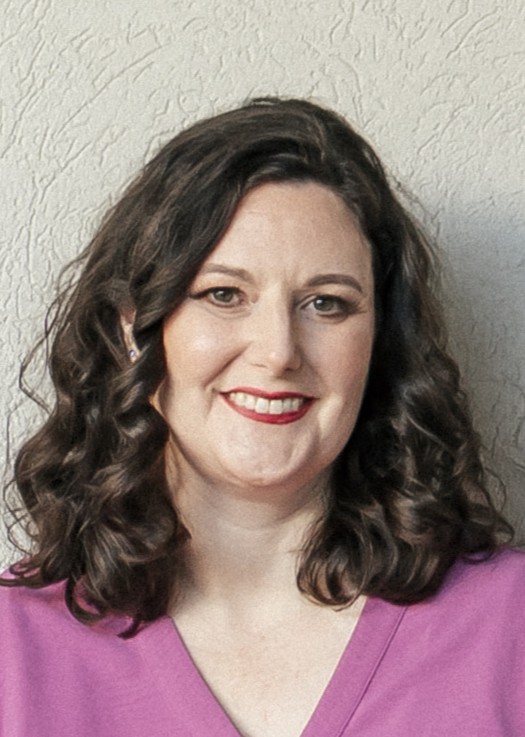
Article by
Rachel McBryan, Dietitian
Rachel McBryan is a licenced Dietitian in British Columbia offering comprehensive nutrition counselling as virtual and/or in-person counselling sessions to suit your needs and preferences. With a Bachelor of Science in Nutrition and Food Science, Rachel has over 20 years experience helping people address their health through nutrition. She was awarded Human Nutrition and Food Science BSc.from University of Alberta followed by post-grad course work at UBC in guidance counselling.