

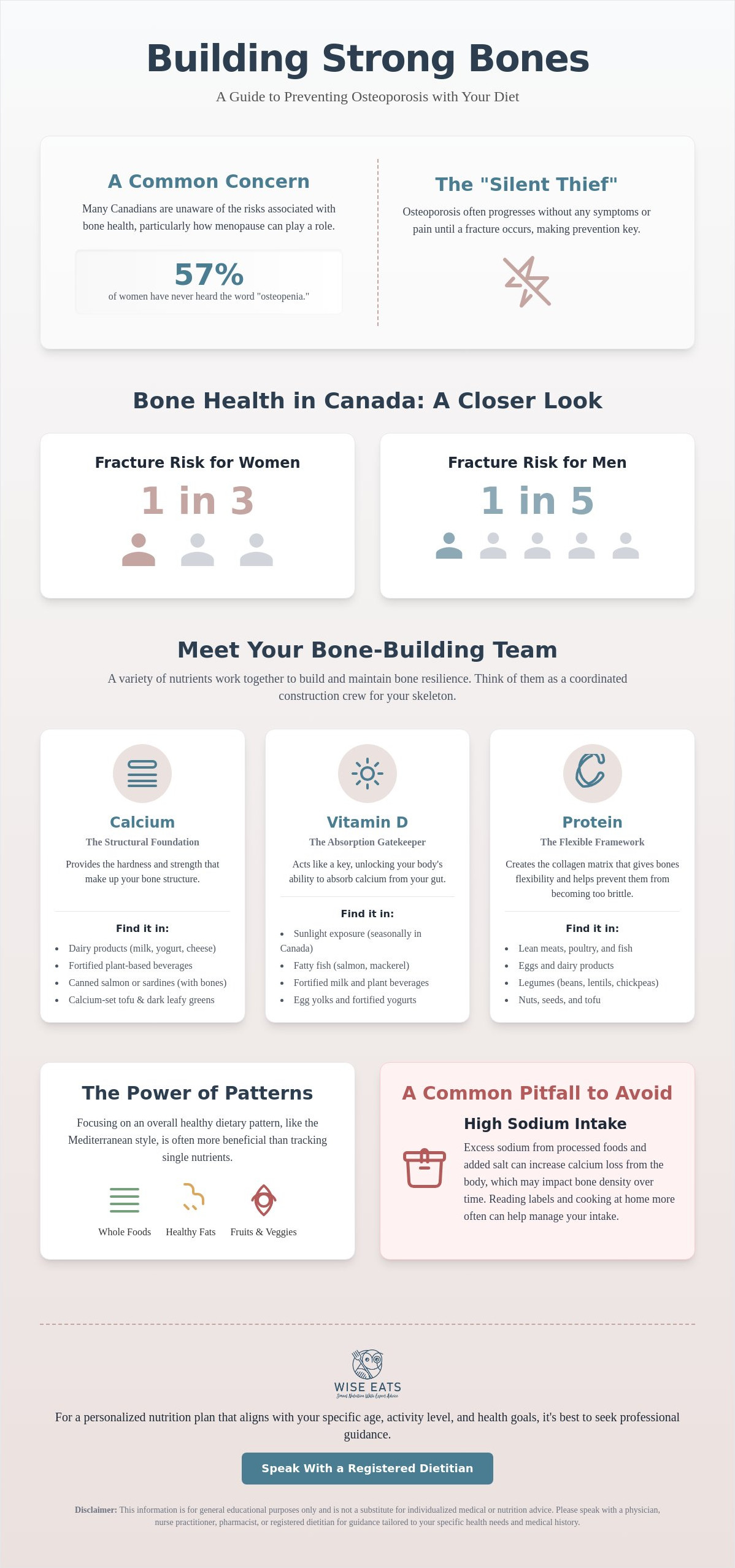
Did you know that 57 percent of women have never heard the word “osteopenia,” and nearly 40 percent are unaware of how menopause can impact bone health? If you feel a sense of worry about your future mobility or confusion over whether to prioritize dairy or plant-based calcium, you aren’t alone. It’s completely natural to feel overwhelmed by conflicting headlines and the fear of potential fractures. We believe that preventing osteoporosis with diet should feel empowering rather than restrictive. You deserve clarity and a manageable plan that prioritizes your peace of mind.
In this guide, you’ll learn how to support your bone density through practical, nutrient-dense food choices and evidence-informed dietary patterns. We will look at how various nutrients work together like a supportive team to keep your frame strong as you age. This article is for general educational purposes and is not a substitute for individualized medical or nutrition advice. Please speak with a physician, nurse practitioner, pharmacist, or registered dietitian for guidance tailored to your specific health needs and medical history.
Key Takeaways
- Discover the “team” of essential nutrients, including calcium and vitamin D, that work together to maintain your bone resilience and structure.
- Learn why focusing on inclusive dietary patterns, such as the Mediterranean style, is often more effective than obsessing over individual milligrams.
- Identify common dietary pitfalls, like high sodium intake, and how making small adjustments can help your body retain vital minerals more efficiently.
- Explore practical, evidence-informed strategies for preventing osteoporosis with diet that feel manageable and fit naturally into your daily routine.
- Understand the value of a personalized approach to ensure your nutrition plan aligns with your specific age, activity level, and health goals.
Understanding Osteoporosis and the Role of Nutrition
Bones are often thought of as static, unchanging structures, but they are actually dynamic, living tissues. Osteoporosis is a condition where this tissue becomes thin or porous over time, leading to a decrease in bone density and an increased risk of fractures. It’s frequently called the “Silent Thief” because bone loss often occurs without any visible symptoms or pain until a break happens. Understanding Osteoporosis helps us realize that while we reach our peak bone mass in our early twenties, what we eat throughout our lives determines how well we maintain that strength. While genetics and age certainly play a role, your daily nutrition is a key modifiable lifestyle factor that can significantly influence your long-term bone health.
To better understand this concept, watch this helpful video:
Focusing on preventing osteoporosis with diet isn’t just about one specific nutrient; it’s about providing your body with a consistent supply of building blocks. Even if you’ve already noticed changes in your bone density, evidence suggests that supportive eating patterns can help maintain your current bone mineral levels and reduce the risk of future injury. Prevention is always more effective than trying to manage significant loss later in life.
Why Diet is Your Bones’ Best Ally
Think of your skeleton as a bank account where your body is constantly making “deposits” and “withdrawals” through a process called remodelling. Special cells break down old bone while others build new tissue. To keep this balance in check, your body requires a steady stream of minerals and protein from the food you eat. If your diet doesn’t provide enough calcium, for example, your body may “withdraw” it from your bones to keep your blood levels stable. By prioritizing nutrient-dense choices, you’re essentially ensuring the construction crew has all the materials they need to keep the structure sound.
The Canadian Context: Why We Need to Pay Attention
In Canada, bone health is a significant public health priority. Statistics show that 1 in 3 women and 1 in 5 men will experience an osteoporotic fracture during their lifetime. Our northern latitude adds an extra layer of complexity. Because we don’t get enough strong sunlight for several months of the year to synthesize Vitamin D naturally, our diet and thoughtful supplementation become vital. Vitamin D acts as the “key” that allows your gut to absorb calcium; without it, even a high-calcium diet might not be enough. If you’re unsure where to start, Wise Eats dietitian services can provide a personalized risk assessment to help you navigate these choices safely.
This article is for general educational purposes and is not a substitute for individualized medical or nutrition advice. Please speak with a physician, nurse practitioner, pharmacist, or registered dietitian for guidance tailored to your specific needs.
The Essential Nutrients for Bone Resilience
Building a resilient skeleton requires more than just a single mineral. While we often think of bones as hard, chalky structures, they are actually a complex mix of minerals and flexible proteins. Success in preventing osteoporosis with diet comes from understanding how these different components work in harmony. Calcium provides the structural strength, while Vitamin D acts as the gatekeeper for absorption. Protein creates the flexible framework that keeps bones from being too brittle, and minerals like magnesium and Vitamin K help ensure everything is deposited in the right place.
Calcium: Beyond the Milk Glass
Many of us grew up believing that a glass of milk was the only way to protect our bones. While dairy is a convenient source, it’s certainly not the only path to meeting your needs. You can find significant amounts of calcium in nutritious Canadian-made foods such as canned salmon or sardines with the bones, calcium-set tofu, and fortified plant-based beverages. When grocery shopping, look at the Nutrition Facts table on the package. A food is generally considered high in calcium if the % Daily Value is 15% or more. This simple label-reading habit makes it much easier to ensure you’re getting enough minerals throughout the day without feeling limited to one food group.
The Vitamin D Challenge in Canada
Living in Canada presents a unique hurdle for bone health. During our long winters, the sun’s rays aren’t strong enough for our skin to produce Vitamin D. While fatty fish and egg yolks contain some, food sources alone are often insufficient to meet the recommended 600 IU daily for most adults. In Canada, cow’s milk and margarine are legally required to be fortified with Vitamin D to help bridge this gap. However, depending on your lifestyle and age, you might benefit from evidence-based supplements to ensure your levels remain optimal. It’s about finding the right balance that works for your specific environment.
Protein: The Forgotten Bone Builder
It’s a common misconception that high-protein diets “leach” calcium from the bones. Modern research suggests the opposite is true; adequate protein is essential for the collagen matrix that gives bones their flexibility. Including a variety of plant-based proteins like lentils and beans, alongside lean animal proteins, helps maintain muscle mass. This is vital because strong muscles protect your bones by improving balance and reducing the risk of falls. For more Practical Tips for Bone Health, focusing on balanced plates is a great starting point. If you feel confused about how to balance these nutrients, you can always reach out for a chat about your specific situation.
Magnesium and Vitamin K also play important roles as the “supporting cast” that helps regulate bone mineralisation. Leafy greens, nuts, and seeds are excellent ways to include these nutrients without feeling like your diet is restrictive or complicated.
This article is for general educational purposes and is not a substitute for individualized medical or nutrition advice. Please speak with a physician, nurse practitioner, pharmacist, or registered dietitian for guidance tailored to your specific needs.
Dietary Patterns That Support Bone Density
While we previously explored specific minerals, your body doesn’t process nutrients in isolation. It processes meals. Evidence suggests that preventing osteoporosis with diet is most successful when we move away from counting individual milligrams and look at the bigger picture. Choosing whole-food patterns allows various vitamins and minerals to work in synergy, making them more effective than they would be on their own. It’s about the rhythm of your eating habits rather than a single “superfood.”
The Mediterranean pattern is a fantastic example of this synergy. While often linked to heart health, its high levels of anti-inflammatory fats and antioxidants protect bone cells from oxidative stress. You can easily adapt this for a Canadian pantry by using canola oil or olive oil alongside local cold-water fish like salmon or mackerel. Similarly, the DASH pattern focuses on reducing sodium while increasing potassium. This balance is crucial because high salt intake can cause your body to lose calcium through urine. By enjoying potassium-rich foods like squash, beans, and potatoes, you help your body retain the calcium it needs for structural strength.
Anti-Inflammatory Eating for Bone Health
Chronic inflammation can act like a slow-burning fire that speeds up bone resorption, which is the process of breaking down bone tissue. You can help manage this by including plenty of colourful produce in your routine. Fruits like blueberries and vegetables like spinach provide Vitamin C and phytonutrients that act as a shield for your bones. Omega-3 fatty acids also play a protective role. Try incorporating ground flaxseeds into your morning oatmeal or snacking on a handful of walnuts to give your body these essential fats that support a healthy bone environment. It’s also worth noting that chronic inflammation is a key concern in autoimmune conditions; if you are managing a thyroid condition alongside bone health, exploring nutrition for Hashimoto’s disease may offer additional insights into how an anti-inflammatory approach can support your overall wellbeing.
The Problem with Restrictive Dieting
Bones require a steady supply of energy to remain healthy and resilient. Chronic under-eating or following “fad” diets often leads to a state of low energy availability. This can trigger hormonal shifts, such as a drop in oestrogen, that directly weaken your skeletal structure. This is a major reason why diets fail long term; they often ignore the body’s basic need for consistent fuel. We encourage a weight-neutral approach that prioritizes nourishment over restriction. Instead of focusing on what to cut out, think about what you can add to your plate to support your long-term mobility and peace of mind.
This article is for general educational purposes and is not a substitute for individualized medical or nutrition advice. Please speak with a physician, nurse practitioner, pharmacist, or registered dietitian for guidance tailored to your specific needs.
Practical Tips and Common Pitfalls to Avoid
When you are preventing osteoporosis with diet, the small, daily habits you choose can be just as impactful as the major dietary patterns we have discussed. It is not about being perfect or following a list of forbidden foods. Instead, it is about understanding how certain elements in our diet can either help or hinder our bones from staying strong. By making a few practical adjustments, you can ensure your body is getting the most out of every meal you eat.
One of the most common pitfalls is a high intake of sodium. While salt makes food taste great, too much of it can cause your body to lose calcium through your urine. This does not mean you need to eat bland food, but finding a balance is key. Similarly, you might wonder about your morning coffee. The good news is that moderate caffeine intake is generally fine for bone health, provided you are getting enough calcium elsewhere in your day. Alcohol is another factor to consider; in some cases, excessive consumption can interfere with the delicate balance between Vitamin D and calcium, potentially making it harder for your bones to stay resilient.
Making Calcium Absorption More Efficient
Your body has a limit on how much calcium it can absorb at one time. A helpful “little and often” rule is to aim for smaller doses throughout the day rather than one large amount. Most people absorb calcium best when it is consumed in amounts of 500 milligrams or less per meal. You can also boost absorption by pairing Vitamin D-rich foods with a source of healthy fat, like avocado or olive oil. A simple trick you can try is adding a squeeze of lemon juice to your cooked leafy greens. The acidity can help make the minerals in those vegetables more available for your body to use.
Managing Sodium Without Losing Flavour
Reducing salt does not have to mean sacrificing the joy of eating. You can use fresh herbs, dried spices, garlic, and flavoured vinegars to create delicious meals without the extra sodium. For Canadian staples like canned beans or lentils, simply rinsing them under cold water can significantly reduce their salt content. Choosing “low sodium” or “no salt added” versions of packaged goods is another easy win. If you are looking for more meal prep ideas that prioritize both flavour and bone health, our ultimate nutrition guide offers a wealth of practical strategies. If you feel overwhelmed by these changes and want a plan tailored specifically to your lifestyle, please feel free to reach out to us for support.
This article is for general educational purposes and is not a substitute for individualized medical or nutrition advice. Please speak with a physician, nurse practitioner, pharmacist, or registered dietitian for guidance tailored to your specific needs.
Personalizing Your Bone Health Strategy
How do you know if your current habits are actually meeting your unique needs? While general guidelines offer a helpful starting point, your body’s requirements for preventing osteoporosis with diet are deeply personal. Your age, sex, and activity level all influence how much fuel and which specific minerals your skeleton requires to stay resilient. For example, a woman over 50 may require 1,200 mg of calcium daily, while a younger adult might aim for 1,000 mg. Navigating these nuances can feel like trying to find your way without a map, but you don’t have to do it alone.
A Registered Dietitian acts as a knowledgeable partner who can help bridge the gap between knowing what is healthy and actually doing it in your daily life. We look at your current eating habits through a professional lens to ensure you aren’t just eating “healthy” but eating specifically for your bone density. This personalized review can replace anxiety with a sense of clarity and hope. It is about making your nutrition feel manageable and natural rather than restrictive or confusing.
When to Seek Professional Nutrition Help
While general education is a great first step, some situations require a more individualized assessment. You should consider speaking with a professional if you have recently experienced a fracture or if a bone density scan has shown a T-score indicating bone loss. Certain medical conditions can also make it difficult for your body to absorb the nutrients it needs. If you live with Celiac disease, Inflammatory Bowel Disease (IBD), or other digestive issues, a dietitian can help you navigate these complexities to protect your skeletal health. Autoimmune thyroid conditions like Hashimoto’s disease can also affect nutrient absorption and bone health; learning about nutrition for Hashimoto’s disease may be a valuable complement to your bone health strategy. You might also find it helpful to consult with a team member like Kimberley Gittens if you find it challenging to meet your nutrient needs through food alone.
The Wise Eats Approach to Bone Health
At Wise Eats, our focus is on providing evidence-based, compassionate care that fits your actual life. We believe that health should never feel like a chore or a source of shame. Our team works with you to create custom meal plans that prioritize the flavours you love while ensuring your bones have the building blocks they need. We are in this together, and we want to help you feel confident in your choices. Small, consistent changes in your kitchen today are the best way to protect your mobility and independence tomorrow. You have the power to support your future self, one meal at a time.
This article is for general educational purposes and is not a substitute for individualized medical or nutrition advice. Please speak with a physician, nurse practitioner, pharmacist, or registered dietitian for guidance tailored to your specific needs.
Nourishing Your Future Strength
Your journey toward stronger bones is built on small, daily choices that add up over time. We’ve seen how a balanced plate, rich in calcium and supported by Vitamin D and protein, creates the foundation for lasting resilience. By focusing on inclusive, whole-food patterns, you’re giving your body the tools it needs for preventing osteoporosis with diet while enjoying a variety of delicious, colourful foods. It’s about finding a rhythm that supports your mobility without feeling like a burden or a restriction.
Navigating these choices doesn’t have to feel like a solo mission. Our licensed Canadian Registered Dietitians are here to provide evidence-based nutrition counselling tailored to your unique life. Whether you need a personalized vitamin and mineral audit or a supportive plan to manage nutrient absorption, we can help you find a path that feels right. Book a discovery call with a Wise Eats Registered Dietitian to personalize your bone health plan today. You deserve to move through life with confidence and peace of mind.
This article is for general educational purposes and is not a substitute for individualized medical or nutrition advice. Please speak with a physician, nurse practitioner, pharmacist, or registered dietitian for guidance tailored to your specific needs.
Frequently Asked Questions
Can I get enough calcium if I don’t eat dairy products?
You can certainly meet your calcium needs without dairy by choosing a variety of other nutrient-dense options. Excellent non-dairy sources include canned salmon or sardines with the bones, calcium-set tofu, and fortified plant-based beverages like soy or pea milk. Some leafy greens, such as bok choy and kale, also contribute to your daily total. It’s about being intentional with your choices to ensure you’re reaching the daily recommendation of 1,000 to 1,200 mg.
Is it better to get calcium from food or from a supplement?
Getting calcium from food is generally preferred because whole foods provide a “package” of other supportive nutrients like protein and magnesium. Your body also tends to absorb calcium more efficiently when it’s consumed in smaller amounts through meals. However, if you find it difficult to meet your needs through eating alone, a supplement can be a helpful tool to bridge the gap. It’s best to discuss this with your healthcare team to determine what’s right for you.
How much Vitamin D do Canadians really need in the winter?
Most Canadian adults require 600 IU (15 micrograms) of Vitamin D daily, but this can be hard to achieve through sunlight alone during our long winters. Since few foods naturally contain high amounts of this vitamin, many people benefit from a combination of fortified products and supplements. Because our northern latitude prevents us from making Vitamin D from the sun for several months, being proactive with your intake is a key part of preventing osteoporosis with diet.
Does drinking coffee actually cause bone loss?
Moderate coffee consumption, usually defined as about 2 to 3 cups per day, does not typically cause significant bone loss if your calcium intake is adequate. While caffeine can slightly increase the amount of calcium lost in urine, this effect is quite small. You can easily offset it by adding a splash of milk or a fortified beverage to your cup. The goal is balance rather than total avoidance of your favourite morning brew.
Are there specific foods that can “reverse” osteoporosis?
There are no specific foods that can “reverse” or cure osteoporosis once it has developed, but a supportive diet can help maintain your current bone density. Nutrition provides the building blocks to slow down further bone loss and reduce your risk of fractures. Instead of looking for a “magic” food, focus on a consistent pattern of nutrient-dense choices that support your skeleton’s natural remodelling process and overall structural integrity.
How does protein affect my bone density as I get older?
Protein is essential for maintaining both bone density and the muscle mass that protects you from falls as you age. It makes up about 50 percent of your bone volume and provides the flexible collagen framework that prevents bones from becoming too brittle. Including a mix of plant and animal proteins in your meals ensures your body has the materials needed to keep your frame strong and resilient throughout your later years.
Can a plant-based diet provide everything I need for strong bones?
A well-planned plant-based diet can provide all the nutrients necessary for strong bones. The key is to include plenty of calcium-set tofu, beans, lentils, and fortified plant milks to reach your daily mineral targets. Since some plant nutrients can be harder for the body to absorb, variety is your best friend. This approach is a practical way of preventing osteoporosis with diet while honouring your personal values and food preferences.
What is the role of magnesium in preventing fractures?
Magnesium plays a vital role in preventing fractures by helping to regulate bone mineralization and the transport of calcium across cell membranes. It also helps your body convert Vitamin D into its active form, making it a crucial part of the “supporting cast” for bone health. You can find magnesium in everyday staples like pumpkin seeds, almonds, spinach, and black beans, which are easy to add to most of your favourite meals.
This article is for general educational purposes and is not a substitute for individualized medical or nutrition advice. Please speak with a physician, nurse practitioner, pharmacist, or registered dietitian for guidance tailored to your specific needs.
Article by
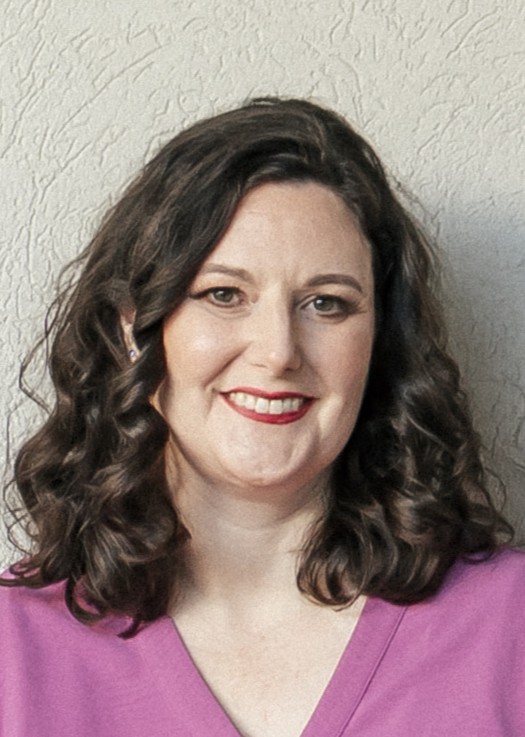
Rachel McBryan, Dietitian
Rachel McBryan is a licenced Dietitian in British Columbia offering comprehensive nutrition counselling as virtual and/or in-person counselling sessions to suit your needs and preferences. With a Bachelor of Science in Nutrition and Food Science, Rachel has over 20 years experience helping people address their health through nutrition. She was awarded Human Nutrition and Food Science BSc.from University of Alberta followed by post-grad course work at UBC in guidance counselling.
An eating disorder is a serious mental health illness.
If you are in immediate distress or crisis, please contact emergency services by dialing 911 or calling Vancouver Island Crisis Line: 1-888-494-3888. This article is educational information only, not professional diagnosis or treatment. Content is AI generated and may not be reviewed for accuracy.