
What if the most effective way to manage your hormones was actually to stop dieting? For many of the 1 in 10 Canadians living with Polycystic Ovary Syndrome, now also known as Polyendocrine Metabolic Ovarian Syndrome (PMOS), the standard medical advice often starts and ends with weight loss. It’s exhausting to feel like every meal is a math problem or a source of anxiety. You might worry that a single piece of toast will spike your insulin or that your metabolism is simply broken. We know how heavy that burden feels, and we’re here to tell you that it doesn’t have to be this way.
Accessing evidence-based nutritional counselling for PCOS Canada should feel like a relief, not another set of rigid rules. You can support your insulin sensitivity and hormonal balance while still keeping your favourite foods on the table. In this article, you’ll discover how a weight-inclusive approach focuses on nourishing your cells rather than restricting your life. We will explore how to stabilize your energy levels, regulate your cycles, and clear your skin while building a truly peaceful relationship with food. It’s time to move past the stress of traditional dieting and find a path that actually feels good for your body and mind.
Key Takeaways
- Understand why PCOS is being renamed to Polyendocrine Metabolic Ovarian Syndrome (PMOS) to better reflect its complex hormonal nature.
- Learn how nutritional counselling for PCOS Canada can help you move away from restrictive dieting and toward a weight-neutral, supportive approach.
- Discover how Custom Meal Planning translates complex lab results into a flexible eating pattern that helps manage insulin sensitivity.
- Explore “Gentle Nutrition” strategies that focus on adding nourishing foods to manage intense sugar cravings without the stress of restriction.
- Find out how virtual sessions with a Registered Dietitian can provide expert guidance for residents in Nanaimo, Parksville, and beyond.
Navigating PCOS Symptoms: Why Standard Nutrition Advice Often Fails
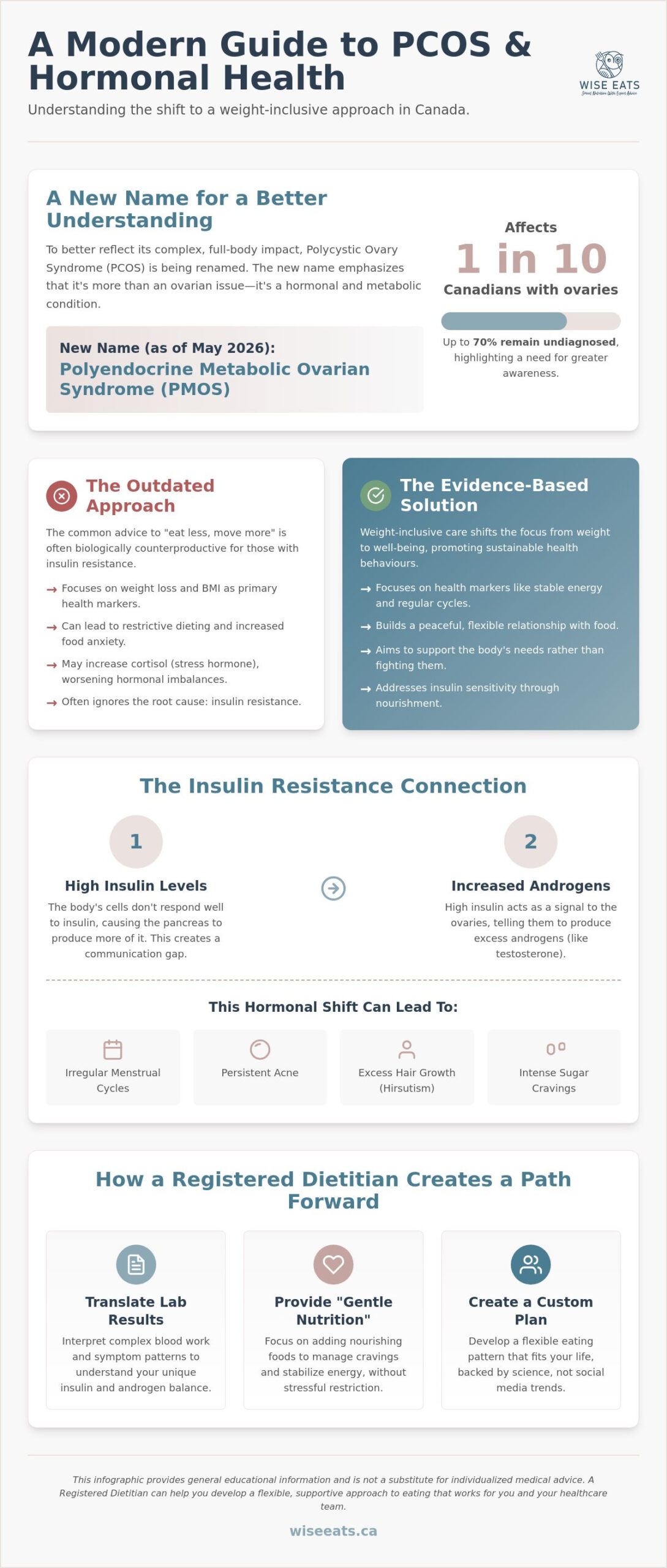
PCOS is often misunderstood as a simple fertility problem. In reality, it is a complex endocrine disorder that affects your entire system. As of May 2026, the medical community has begun renaming Polycystic Ovary Syndrome (PCOS) to Polyendocrine Metabolic Ovarian Syndrome (PMOS). This shift highlights that the condition involves much more than just the ovaries. It affects approximately 1 in 10 Canadian women, yet up to 70% remain undiagnosed. You might be dealing with irregular menstrual cycles, persistent acne, or hirsutism (excess hair growth), all of which can feel overwhelming. These symptoms are your body’s way of communicating that your hormones need a little extra support.
To better understand this concept, watch this helpful video:
Traditional advice often boils down to “eat less and move more.” For someone with an insulin-resistant body, this is not just unhelpful; it is biologically counterproductive. When your body doesn’t process energy efficiently, cutting calories can trigger a stress response that makes symptoms worse. Seeking professional nutritional counselling for PCOS Canada ensures you are working with a partner who understands these biological nuances. A specialized Registered Dietitian can help you look at the bigger picture beyond the scale, focusing on nutrition counselling for medical conditions that actually addresses the root cause.
The Insulin Resistance Connection
High insulin levels act like a loud signal, telling your ovaries to produce excess androgens. This hormonal shift is what leads to many of the physical symptoms you experience. Have you ever finished a full meal only to feel “starved” an hour later? That is often your insulin at work, preventing your cells from getting the energy they need. Simply put, insulin resistance is a cellular communication gap where your body’s cells ignore the signal to let energy in.
Moving Beyond the Weight-Centric Model
For too long, BMI has been used as the primary measure of health for those with PCOS. This is a limited and often harmful tool that ignores your unique metabolic needs. Restrictive dieting can actually worsen hormonal imbalances by increasing cortisol and disrupting your metabolism further. We believe in weight-neutral care as a sustainable path forward. This approach focuses on health markers like stable energy and regular cycles rather than a number on a scale. By focusing on nourishment, you can manage your symptoms without the psychological toll of restriction.
The Role of a Registered Dietitian in PCOS Management
Working with a Registered Dietitian provides more than just a list of foods to eat; it offers a clear roadmap through a landscape that often feels confusing and contradictory. When you seek nutritional counselling for PCOS Canada, you’re partnering with a professional who can translate complex lab results into a flexible, everyday eating pattern. Unlike generic meal plans that focus on restriction, Custom Meal Planning at Wise Eats Registered Dietitians focuses on what your body needs to thrive. Our team, including Rachel McBryan, RD, creates a non-judgmental space where your clinical needs and your lived experience are both valued.
Evidence-Based Medical Nutrition Therapy
What does a session look like? We start by looking at your unique picture of health, which includes reviewing blood work or symptom patterns to understand your insulin levels and androgen balance. We use this clinical data to inform gentle nutrition changes that fit your daily life. This specialized nutritional counselling for PCOS Canada ensures that every suggestion is backed by science, not social media trends. By focusing on nutrition counselling for medical conditions, we help you understand how specific nutrients can support your metabolic health without the need for “perfect” eating.
A Weight-Inclusive Framework (HAES)
Most traditional advice suggests that your health is tied to a specific number on a scale, but we prioritize a different approach. By using a “Health at Every Size” (HAES) framework, we help reduce the stigma that often follows a PCOS diagnosis. This approach allows us to focus on sustainable behaviours, such as finding joyful movement rather than following punishing exercise regimens. If you are looking for a compassionate alternative to weight-centric care, you can learn more about what is a HAES dietitian and how this model supports long-term well-being.
If you’re ready to move away from the diet cycle, we invite you to connect with a dietitian to start your personalized journey.
Sustainable Strategies for Insulin Sensitivity and Hormonal Balance
Managing insulin sensitivity doesn’t require a “perfect” diet. In fact, the stress of trying to eat perfectly can often make hormonal symptoms worse. We prefer a “Gentle Nutrition” approach. This means looking at what you can add to your plate to support your body, rather than what you should take away. When you engage in nutritional counselling for PCOS Canada, we focus on building a sustainable lifestyle that works with your biology, not against it. Intense sugar cravings are a common struggle, but they are often a biological response to insulin spikes. By adding more fibre and healthy fats to your meals, you can slow down glucose absorption and keep your energy levels steady throughout the day. Establishing consistent eating times also helps prevent the extreme hunger that often leads to blood sugar crashes.
Precision Supplementation for PCOS
Research suggests that certain nutrients can play a significant role in managing symptoms of PMOS. Inositol, Magnesium, and Vitamin D are frequently studied for their ability to support insulin sensitivity and mood regulation. However, taking a handful of different pills every morning can be exhausting. Using nutritional counselling for PCOS Canada allows us to look at your specific lab results to determine which supplements might be most beneficial for you. Through our partnership with VitaminLab, we offer Personalized Vitamin and Mineral Supplements. These bespoke formulas consolidate your specific needs into one daily dose. This ensures you get exactly what your body requires without unnecessary fillers or the “pill fatigue” that comes with traditional supplementation.
Blood Sugar Pairing: A Simple Tool
One of the most effective tools we use is the “Protein + Fibre + Carb” formula. This isn’t about avoiding carbohydrates; it’s about pairing them so they enter your bloodstream more slowly. You can still enjoy your favourite Canadian foods, like a hearty bowl of oats or local berries, by simply adding a source of protein and fat. For example, a nourishing snack might be a piece of whole-grain toast (carb/fibre) topped with avocado (fat) and a hard-boiled egg (protein). This simple shift helps stabilize your blood sugar and reduces the “crash” that often triggers intense cravings. It’s a practical way to nourish your body while still enjoying the foods you love.
Personalizing Your Journey: PCOS Counselling at Wise Eats Registered Dietitians
Finding a partner who truly hears you can be the most important step in your health journey. At Wise Eats Registered Dietitians, we work to create a clearer picture of your health by looking at the intersections of your hormones, metabolism, and lifestyle. This specialized nutritional counselling for PCOS Canada is available virtually, making it accessible for residents in Nanaimo, Parksville, and across British Columbia, Alberta, and Ontario. We prioritize a non-diet, recovery-centred approach to nourishment. This ensures that your path to wellness never feels like another chore or a source of shame.
We also understand that managing a clinical condition can feel like a full-time job. If you’re tired of managing a dozen different supplement bottles, our data-driven approach can help. We develop all-in-one supplement strategies that reduce “pill fatigue” while ensuring your body gets the exact support it needs. By focusing on what’s essential, we help you reclaim your time and energy for the things you actually enjoy doing. It’s about finding a rhythm that fits your life, not changing your life to fit a rigid protocol.
What to Expect in Your First Session
Your first session is a space for us to get to know you as a whole person. We will review your health history and any recent lab work, but we also want to understand your current relationship with food. Together, we will set realistic, non-weight-related goals that focus on symptom relief and stable energy. If you’re curious about how this process works, you can learn more about working with a dietitian at our clinic. We’re here to act as your knowledgeable partner, filtering out wellness myths and offering steady guidance.
When to Seek Professional Help
It’s common to feel a sense of urgency after a diagnosis, but sometimes “healthy eating” can become obsessive or overly restrictive. It’s time to reach out for extra support if you notice these red flags:
- You feel intense anxiety or guilt when eating foods that aren’t on a “PCOS-friendly” list.
- You’re skipping social events to avoid food you can’t control.
- You find yourself fixated on “perfect” nutrition to the point that it harms your mental health.
- You’re experiencing cycles of restriction followed by binge eating.
If any of these feel familiar, please know that you aren’t alone. You can find more information on spotting these patterns in our guide on red flags to watch for in nutrition advice. Managing a clinical condition should never come at the cost of your peace of mind.
Disclaimer: This article is for general educational purposes and is not a substitute for individualized medical advice. Please speak with a registered dietitian or your healthcare team to develop a flexible approach to eating that meets your specific needs.
If you’re ready to explore a supportive, weight-neutral approach to your health, we encourage you to speak with a registered dietitian to see how we can work together.
Embracing a Sustainable Path to Hormonal Health
Navigating the complexities of PCOS doesn’t have to be a lonely or stressful experience. You’ve seen that managing insulin sensitivity and hormonal balance is possible through nourishment rather than restriction. By choosing a weight-inclusive approach, you can focus on health markers that actually matter, like stable energy and regular cycles. Accessing nutritional counselling for PCOS Canada gives you a knowledgeable partner to help translate your clinical needs into a peaceful, flexible relationship with food.
Our team is licensed by the College of Dietitians of British Columbia and specializes in evidence-informed, compassionate care. We offer custom supplement formulas that are both Health Canada licensed and NSF certified to ensure your safety and results. You don’t have to settle for generic advice that ignores your lived experience. Clarity and relief are within reach.
We are here to support you in building a lifestyle that feels good for your body and your mind. You deserve to move forward with a plan that respects your unique needs and helps you find peace with food.
Disclaimer: This article is for general educational purposes and is not a substitute for individualized medical advice. Please speak with a registered dietitian or your healthcare team to develop a flexible approach to eating that meets your specific needs.
Frequently Asked Questions
Can a dietitian help with PCOS symptoms without focusing on weight loss?
Yes, a dietitian can support your health without ever mentioning a scale. We focus on health markers like stable energy levels, reduced cravings, and regular menstrual cycles. By using nutritional counselling for PCOS Canada, we look at how adding specific nutrients can help manage insulin resistance. This weight-neutral approach reduces the stress of traditional dieting while still addressing your clinical symptoms in a compassionate way.
Is nutritional counselling for PCOS covered by private insurance in Canada?
Most private insurance plans in Canada do provide coverage for Registered Dietitian services. Many group plans offer up to $500 in annual coverage for these professional consultations. It’s always a good idea to check your specific benefits package to see how much is available for nutritional support. We provide detailed receipts that you can submit to your provider for reimbursement after your session.
What is the best “diet” for PCOS according to Canadian Registered Dietitians?
There is no single “best diet” for everyone. Instead, we recommend a flexible eating pattern based on a balanced plate model. This includes a mix of protein, fibre, and carbohydrates to help stabilize blood sugar without the need for restriction. The goal is to create a sustainable way of eating that includes your favourite foods while supporting your unique hormonal health needs.
How long does it take to see improvements in PCOS symptoms with nutritional changes?
The timeline for seeing changes is different for everyone. You may notice more stable energy levels and fewer sugar cravings within just a few weeks of making gentle changes. However, hormonal shifts like regular cycles or improved skin health often take three to six months to become apparent. Patience is essential as your body finds its new balance through consistent nourishment.
Are personalized vitamins worth it for managing PCOS insulin resistance?
Precision supplements can be very helpful for managing insulin resistance while avoiding “pill fatigue.” Personalized formulas allow you to combine evidence-based ingredients like Inositol, Magnesium, and Vitamin D into one daily dose. This ensures you’re getting exactly what your body needs based on your unique lab results and symptom patterns. It’s a simple way to support your metabolism without managing multiple bottles.
What is the difference between a nutritionist and a dietitian for PCOS in Canada?
In Canada, “Registered Dietitian” is a protected and regulated title. Dietitians must complete a university degree, a period of practical training, and pass a national registration exam. When you seek nutritional counselling for PCOS Canada through a dietitian, you are working with a licensed professional. In many provinces, the title “nutritionist” is not regulated, meaning anyone can use it regardless of their education or clinical experience.
Article by
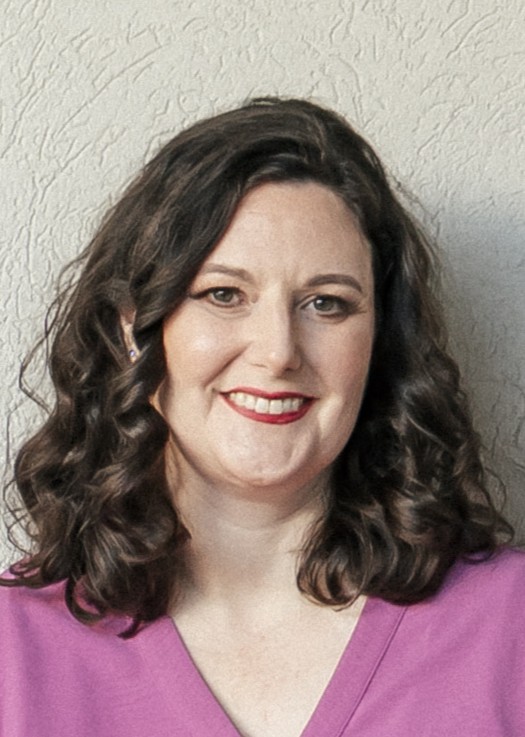
Rachel McBryan, Dietitian
Rachel McBryan is a licensed Dietitian in British Columbia offering comprehensive nutrition counselling as virtual and/or in-person counselling sessions to suit your needs and preferences. With a Bachelor of Science in Nutrition and Food Science, Rachel has over 20 years' experience helping people address their health through nutrition. She was awarded Human Nutrition and Food Science BSc from University of Alberta followed by post-grad course work at UBC in guidance counselling.
An eating disorder is a serious mental health illness.
If you are in immediate distress or crisis, please contact emergency services by dialling 911 or calling Vancouver Island Crisis Line: 1-888-494-3888. This article is educational information only, not professional diagnosis or treatment. Content is AI generated and may not be reviewed for accuracy.