
Understanding Eating Disorders: More Than Just Food
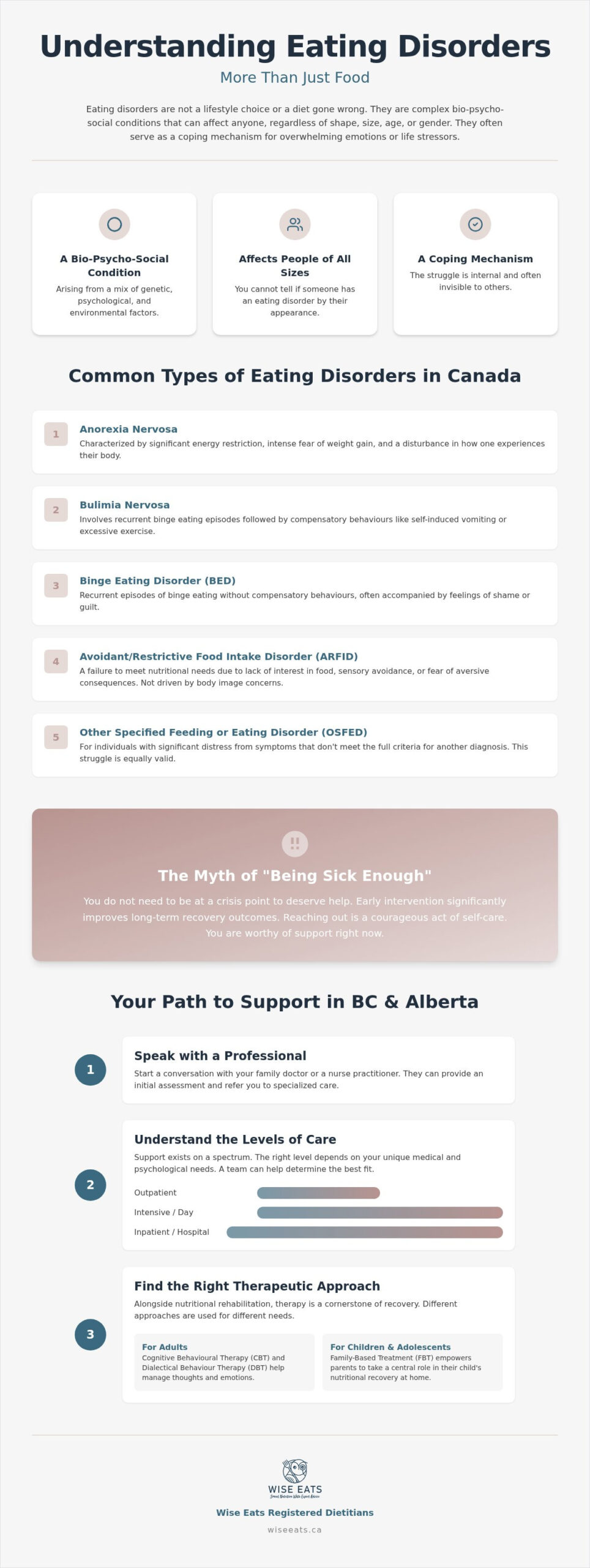
If you are reading this, you or someone you care about may be struggling with your relationship with food. It’s important to know that eating disorders are not a lifestyle choice, a diet gone wrong, or a cry for attention. They are complex bio-psycho-social conditions, meaning they arise from a combination of genetic, psychological, and environmental factors. They often serve as a coping mechanism for overwhelming emotions, trauma, or life stressors that feel too big to handle.
A common misconception is that you can tell if someone has an eating disorder just by looking at them. This is untrue. People of all shapes, sizes, ages, genders, and backgrounds can be affected. The struggle is internal, and the outward signs can be misleading or invisible. It’s also important to recognize the spectrum of disordered eating. Even if your behaviours don’t fit into a neat diagnostic box, any pattern of eating that causes you distress deserves compassionate, professional attention.
Common Types of Eating Disorders in Canada
While every person’s experience is unique, understanding some of the common classifications can help validate your feelings and guide your search for support. In a morally neutral and non-judgmental way, here are some of the eating disorders recognized in Canada:
-
Anorexia Nervosa: Often characterized by significant energy restriction, an intense fear of gaining weight, and a disturbance in how one experiences their body shape or size.
-
Bulimia Nervosa: Involves recurrent episodes of binge eating (consuming a large amount of food in a short period while feeling a loss of control), followed by compensatory behaviours like self-induced vomiting, laxative misuse, or excessive exercise.
-
Binge Eating Disorder (BED): Characterized by recurrent episodes of binge eating without the compensatory behaviours seen in bulimia. These episodes are often accompanied by feelings of shame, guilt, or distress.
-
Avoidant/Restrictive Food Intake Disorder (ARFID): Involves a persistent failure to meet appropriate nutritional needs due to a lack of interest in food, sensory-based avoidance, or concern about aversive consequences of eating (like choking or vomiting). This is not driven by body image concerns.
-
Other Specified Feeding or Eating Disorder (OSFED): This category is for individuals who experience significant distress from eating disorder symptoms but do not meet the full criteria for another specific diagnosis. Your struggle is just as valid and deserving of care.
The Myth of ‘Sick Enough’
Perhaps one of the biggest barriers to seeking help is the persistent thought, "I’m not sick enough." You might compare your struggles to others or feel that your symptoms aren’t severe enough to warrant professional support. Please hear this: you do not need to be at a crisis point to deserve help. Early intervention significantly improves long-term recovery outcomes. Reaching out is not a sign of weakness but a courageous act of self-care. You are worthy of support right now, exactly as you are.
How to Access Eating Disorder Support in BC and Alberta
Navigating the healthcare system can feel overwhelming, especially when you’re already exhausted. Understanding the pathways to care in British Columbia and Alberta can help demystify the process and empower you to take the first step. The journey is different for everyone, but it generally involves building a team and finding the right level of support for your unique needs.
Your First Step: Speaking with a Professional
For many, the starting point is a conversation with a trusted healthcare provider, such as a family doctor or a nurse practitioner. They can conduct an initial assessment, rule out other medical conditions, and act as a crucial gateway to publicly funded programs. Be open about your concerns regarding your eating behaviours, thoughts about food, and any physical symptoms you’re experiencing. This conversation can open the door to referrals for specialized care, including therapists, psychiatrists, and community-based eating disorder programs.
Understanding the Levels of Care
Eating disorder treatment isn’t one-size-fits-all. Support exists on a spectrum, and the right level depends on medical and psychological needs.
-
Outpatient/Community Support: This is the most common level of care. It involves regular appointments with a support team while you continue to live at home. Your team might include a therapist, a family doctor, and a weight-inclusive Registered Dietitian. This is where private practices like Wise Eats can provide specialized nutritional counselling.
-
Intensive/Day Programs: These programs offer more structure than standard outpatient care, often involving several hours of therapy, nutritional support, and group sessions per day, several days a week.
-
Inpatient/Hospitalization: In cases where an eating disorder has become medically severe, hospitalization may be necessary. The primary goal of inpatient care is medical stabilization. This can involve restoring physiological balance, monitoring vital signs, and providing intensive nutritional and psychological support in a safe, 24/7 environment. This step is about ensuring your body is safe enough to begin the deeper work of recovery.
Therapeutic Approaches: Finding the Right Fit
Alongside nutritional rehabilitation, therapy is a cornerstone of recovery. Different modalities are often recommended based on age and individual needs.
-
For Adults: Therapies like Cognitive Behavioural Therapy (CBT) and Dialectical Behaviour Therapy (DBT) are often used. CBT helps individuals identify and challenge unhelpful thought patterns related to food and body image, while DBT provides skills for managing intense emotions and improving interpersonal relationships.
-
For Children and Adolescents: Family-Based Treatment (FBT) is a leading evidence-based approach. FBT empowers parents to take a central role in their child’s nutritional recovery at home, helping to restore health and normalize eating behaviours within the family unit.
Life After Hospitalization: Continuing Your Care
Discharge from an inpatient program is not the end of recovery; it’s the beginning of a new phase. Stepping down to a day program or outpatient care is a critical transition. An ongoing, consistent support team is vital during this time. A Registered Dietitian can help you navigate the return to grocery shopping, cooking, and eating in your home environment. This continued support helps solidify the progress made in treatment and builds confidence for long-term healing.
The Physical and Emotional Impact of Disordered Eating
An eating disorder impacts every aspect of your being—your body, your mind, and your connection to the world. When the body doesn’t receive consistent and adequate energy, it makes brilliant adaptations to survive. It slows down processes to conserve fuel, which can lead to feeling constantly cold, hair loss, and digestive issues. This is not your body failing you; it’s your body trying to protect you.
Mentally, nutrient deficiencies can lead to "brain fog," difficulty concentrating, and increased emotional volatility. The world can feel like it’s shrinking as food rules and rituals take over, making social events, family dinners, and spontaneous outings feel impossible. It can be an incredibly isolating experience. The hopeful truth is that the body and brain have a remarkable capacity to heal when provided with consistent, adequate nourishment.
Digestive Shifts and Bloating in Recovery
One of the most common and distressing physical symptoms in early recovery is digestive upset, including bloating, gas, and constipation. When the body has been in a state of restriction, the digestive system slows down (a condition called gastroparesis). As you begin to reintroduce regular meals, it’s like asking a muscle that hasn’t been used to suddenly run a marathon. It needs time to wake up and learn how to process food efficiently again. While uncomfortable, these symptoms are often a normal and temporary sign that your digestive system is healing. For those whose digestive issues persist, exploring the link between IBS and disordered eating with a professional can be helpful.
When to Seek Help: Red Flags to Watch For
If you’re concerned about yourself or a loved one, it can be helpful to have a gentle check-in. This is not a clinical checklist but a list of potential signs that it may be time to reach out for professional support. Remember, the presence of one or more of these does not automatically mean an eating disorder, but they do warrant a conversation with a healthcare provider.
-
Behavioural Signs: Hiding food, creating rigid rituals around meals, withdrawing from social situations involving food, exercising compulsively or in secret, a preoccupation with food, weight, or body shape.
-
Physical Signs: Significant weight fluctuations, fainting or dizziness, feeling cold all the time, loss of menstrual cycle, fine hair growth on the body (lanugo), or noticeable hair loss from the head.
If you experience any of these, especially fainting or heart palpitations, it is important to consult with a primary care physician to ensure your medical safety. A dietitian can then work alongside your doctor as part of your comprehensive care team.
The Role of a Registered Dietitian in Your Recovery
The thought of seeing a dietitian can be intimidating, especially if you fear judgment or another restrictive diet. However, a weight-inclusive, eating disorder-informed Registered Dietitian (RD) plays a very different role. Their goal is not to control your food or focus on weight, but to help you heal your relationship with it. They use Medical Nutrition Therapy to help stabilize eating patterns, manage physical symptoms, and provide your body with the consistent energy it needs to repair.
This is a collaborative process. An RD will work with you to gently challenge food rules at a pace that feels manageable, reintroduce feared foods, and help you reconnect with your body’s internal hunger and fullness cues. The focus is on adding nourishment, flexibility, and joy back into eating, using a Health at Every Size® (HAES)-aligned approach.
Dietitian vs. Nutritionist: Why Regulation Matters in Canada
In Canada, especially in provinces like BC and Alberta, the title "Registered Dietitian" is protected by law. This means that an RD has completed a rigorous university degree in human nutrition and dietetics, a supervised practicum, and a national licensing exam. They are held accountable to a provincial regulatory body that ensures they provide safe, ethical, and evidence-based care. The term "nutritionist" is not regulated in most of Canada, meaning anyone can use it without any formal training. For a complex condition like an eating disorder, working with a regulated professional is crucial for your safety and well-being. It is important to look out for red flags in nutrition advice to ensure you are receiving credible information.
Personalized Support: Beyond the Meal Plan
While structured eating can be a helpful tool in early recovery, the goal is to move beyond rigid rules. At Wise Eats, we focus on providing custom meal ideas and frameworks that reduce decision fatigue without being overly restrictive. We also recognize that recovery can unmask nutrient deficiencies. Through our partnership with VitaminLab, we can offer personalized vitamin support to help correct these deficiencies without the "pill fatigue" that can come from taking multiple generic supplements.
With virtual care, our specialized support is accessible to residents throughout British Columbia and Alberta, including those in Nanaimo, Parksville, Edmonton, and other rural or remote communities.
What is Meal Support?
Meal support is a practical, therapeutic intervention designed to help individuals get through a meal or snack. It is not about force-feeding or being watched. Instead, a support person (who could be a trained professional, a family member, or a friend) provides gentle encouragement and emotional support during the challenging time of eating. It’s an ongoing process that helps to:
-
Reduce anxiety and distress around mealtimes.
-
Provide a calm and non-judgmental presence.
-
Gently redirect eating disorder behaviours or thoughts.
-
Model a relaxed and normalized approach to food.
Meal support continues long after formal treatment, evolving as the person in recovery gains more confidence and autonomy with their eating. A dietitian can help coach families and individuals on how to provide effective meal support at home.
Taking the First Step Toward Healing with Wise Eats
Recovery is a journey, not a destination, and it is rarely linear. There will be good days and hard days, and that is okay. The most important thing is to have a compassionate support system in place. Building your outpatient team often involves a trinity of care: your Physician for medical monitoring, a Therapist for psychological support, and a Registered Dietitian for nutritional rehabilitation.
We encourage you to "interview" potential providers to ensure they are a good fit. Ask them about their philosophy on weight, their experience with eating disorders, and their approach to recovery. You deserve a team that makes you feel safe, heard, and respected.
Resources for Canadians
If you need immediate support, the National Eating Disorder Information Centre (NEDIC) provides a national helpline and instant chat service. They are an excellent, free resource for information and referrals across Canada.
Recovery is possible. A life where food is just food, where you can eat without fear or guilt, and where your mental energy is free to focus on the things you truly value, is within reach. It takes courage to start, but you don’t have to do it alone.
About the Authors
This article was written by the team of Registered Dietitians at Wise Eats. Rachel McBryan is a Registered Dietitian licensed in British Columbia, and Sheirry Poposka is a Registered Dietitian in Alberta. Both are deeply committed to providing evidence-informed, weight-inclusive care. They work collaboratively with their clients and their healthcare teams to support healing and help individuals reclaim their relationship with food and their bodies. If you are ready to explore how nutritional counselling can fit into your recovery journey, we invite you to book a compassionate consultation with our team.
Article by
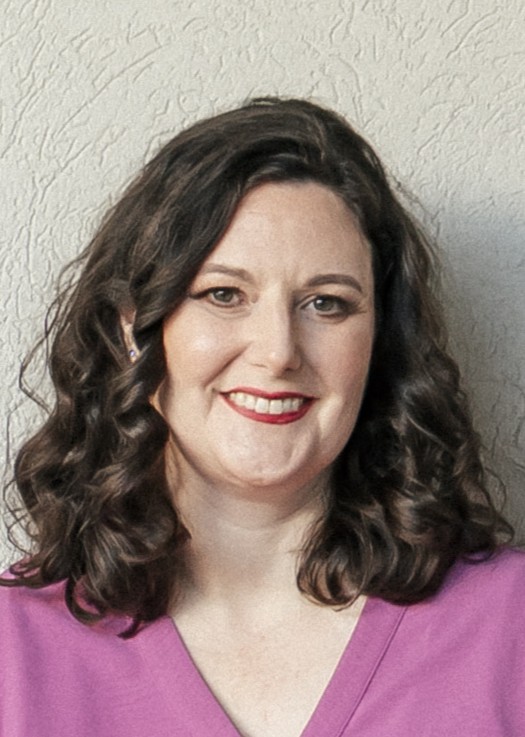
Rachel McBryan, Dietitian
Rachel McBryan is a licenced Dietitian in British Columbia offering comprehensive nutrition counselling as virtual and/or in-person counselling sessions to suit your needs and preferences. With a Bachelor of Science in Nutrition and Food Science, Rachel has over 20 years experience helping people address their health through nutrition. She was awarded Human Nutrition and Food Science BSc.from University of Alberta followed by post-grad course work at UBC in guidance counselling.
An eating disorder is a serious mental health illness.
If you are in immediate distress or crisis, please contact emergency services by dialing 911 or calling Vancouver Island Crisis Line: 1-888-494-3888. This article is educational information only, not professional diagnosis or treatment. Content is AI generated and may not be reviewed for accuracy.