
An eating disorder is a serious mental health illness.
If you are in immediate distress or crisis, please contact emergency services by dialing 911 or calling Vancouver Island Crisis Line: 1-888-494-3888. A dietitian, psychologist, psychiatrist, and medical team work together to support eating disorder recovery.
This article is educational information only, not professional diagnosis or treatment. Content is AI generated and may not be reviewed for accuracy.
Did you know that an estimated 2.9 million people in Canada are currently navigating the heavy burden of an eating disorder? It’s a staggering number that represents millions of individuals feeling overwhelmed by conflicting advice while searching for an eating disorder recovery dietitian who truly understands. You’ve likely spent far too much time feeling anxious about physical complications or wondering if you’ll ever find peace with your body. It’s truly exhausting to filter through “diet culture” noise while you’re simply trying to heal. We understand how isolating this journey can feel, but you don’t have to navigate these complexities alone.
This guide will show you how a specialized professional can provide the evidence-informed, compassionate care you need to rebuild your relationship with food. We’ll explore how professional guidance can support medical stabilization and share practical strategies for managing triggers during meal times. This article is for general educational purposes and isn’t a substitute for individualized medical or nutrition advice. Please speak with a physician, nurse practitioner, or registered dietitian for guidance tailored to your specific needs.
Key Takeaways
- Learn why working with a specialized eating disorder recovery dietitian provides the clinical expertise needed to navigate recovery beyond general nutrition advice.
- Understand how nutrition therapy can support medical stabilization and help you gradually rebuild a more peaceful relationship with food.
- Discover how to distinguish between regulated Registered Dietitians and unregulated nutritionists. This ensures your care meets high professional standards.
- Explore how virtual care options can provide a private way to access expert support. It’s flexible and works from the comfort of home.
- Identify practical ways a knowledgeable partner can help you manage mealtime anxiety and filter out the noise of diet culture.
Understanding the Vital Role of an Eating Disorder Recovery Dietitian
Recovery is a journey that often feels like walking through a thick fog without a map. You might feel overwhelmed by the volume of conflicting health advice online or feel judged for your food choices and body size. This is where an eating disorder recovery dietitian steps in. Think of them as an expert guide who carries the compass of clinical science but offers the steady hand of a mentor. They don’t just provide a meal plan; they create a safe, non-judgmental space where you can voice your deepest food fears without any fear of shame.
A specialized Registered Dietitian (RD) brings a level of expertise that goes far beyond general nutrition. While a generalist might focus on broad population health, an RD specializing in recovery has deep clinical training in the complex nature of these conditions. For a comprehensive overview of eating disorders, one can see how these illnesses impact every system in the body. Your dietitian understands this intersection and uses evidence-informed strategies to help you feel safe in your body again.
Clinical Expertise vs. General Nutrition Advice
Why shouldn’t you just follow standard healthy eating tips? In the context of recovery, typical weight-loss advice or restrictive food rules can be actively harmful. They often reinforce the very patterns you’re trying to break. A specialized RD understands the physiological impact of disordered eating behaviours, such as how they affect your heart health, bone density, and digestion. They take this complex clinical data and turn it into gentle, manageable steps. This isn’t about rigid rules; it’s about working with a dietitian to understand what your body specifically needs for healing.
The Bridge Between Physical and Mental Health
Your recovery team is like a tripod, usually consisting of a physician, a therapist, and a dietitian. While your therapist helps you process the emotional roots of your struggle, your dietitian manages the practical, daily reality of nourishment. They act as a bridge, ensuring your physical body is stable enough to do the deep emotional work of therapy. By focusing on medical stabilization and physical healing, they help lower your defences. This makes the path toward a peaceful relationship with food feel much more attainable. Working with an eating disorder recovery dietitian ensures you have a dedicated advocate who filters out the noise of diet culture so you can focus on your well-being.
This article is for general educational purposes and is not a substitute for individualized medical or nutrition advice. Please speak with a physician, nurse practitioner, pharmacist, or registered dietitian for guidance tailored to your specific needs.
How Specialized Nutrition Counselling Facilitates Long-Term Healing
Nutrition therapy isn’t a one-size-fits-all solution; it’s a dynamic process that shifts as you heal. An eating disorder recovery dietitian focuses on three core pillars: stabilization, education, and integration. This journey isn’t a straight line, and recovery may involve periods of both progress and challenge. By prioritizing your unique needs, this specialized support helps replace the confusion of diet culture with evidence-informed clarity. We focus on lifestyle integration rather than rigid dietary restriction, allowing you to move at a pace that feels safe and manageable.
Nutritional Rehabilitation and Physical Stabilization
The first priority in many cases is physical safety. Your dietitian monitors for clinical risks like refeeding syndrome, which can occur when the body begins to receive nourishment after a period of restriction. The goal is to gently restore regular eating patterns to support your metabolic health and brain function. Using a personalized meal plan can provide a necessary sense of structure and safety during these early stages of healing, helping to lower the anxiety that often accompanies meal times.
Deconstructing Food Myths and Diet Culture Beliefs
It’s hard to hear your own voice when diet culture is shouting. Specialized RDs act as a filter, using science to challenge distorted thoughts about food. This “myth-busting” process is a powerful tool for reducing the anxiety you might feel around specific ingredients or food groups. We use plain language to explain technical concepts so you feel empowered, not overwhelmed. Understanding why diets fail long term can be a liberating part of this process, helping you recognize that past struggles with restrictive plans reflect your biology, not your character. For those seeking additional resources, Canadian eating disorder support through organizations like NEDIC offers a wealth of information to supplement your journey and provide community context.
Practical Meal Support and Food Exposure Strategies
Healing often happens at the dinner table, not just in a clinical office. Your dietitian may help you navigate “fear foods” in a controlled, supportive environment. This practical approach, such as anorexia recovery nutrition support, focuses on rebuilding trust with your body’s signals. These strategies are designed for your real-life home environment, ensuring that progress feels sustainable rather than forced. If you’re ready to explore how this support fits into your life, you can connect with us to learn more about our compassionate approach to care.
This article is for general educational purposes and is not a substitute for individualized medical or nutrition advice. Please speak with a physician, nurse practitioner, pharmacist, or registered dietitian for guidance tailored to your specific needs.
Finding the Right Fit: Essential Criteria for Your Recovery Partner
Choosing an eating disorder recovery dietitian is one of the most significant steps you’ll take on your path to healing. It’s more than just finding someone with a degree; it’s about finding a Knowledgeable Partner who makes you feel heard and safe. You deserve a professional who balances clinical authority with deep, warm empathy. Think of this process as an interview where you’re the lead. Don’t hesitate to ask potential providers about their specific experience with conditions like bulimia or binge eating. Do they understand the unique rhythms of your struggle? A strong therapeutic relationship acts as a sturdy anchor during times of change.
When you’re facing intense food-related anxiety, you need a guide who can hold space for your fears without judgment. This connection allows you to lower your defences and engage more fully with the recovery process. It’s helpful to look for a professional who views themselves as a mentor rather than a distant clinical figure. This collaborative approach ensures that your lived experience is respected alongside their scientific expertise.
Aligning with Weight-Inclusive Care (HAES)
Many specialists in this field utilize the Health at Every Size (HAES) framework. This is a weight-neutral approach that focuses on health behaviours rather than a number on a scale. Why does this matter so much? Traditional weight-centric models can often be triggering or reinforce the shame associated with body size. In contrast, a HAES dietitian Canada approach helps you shift the focus toward how your body feels and functions. It encourages lifestyle integration that respects your body’s natural diversity, which is a cornerstone of long-term food freedom. This philosophy ensures that your care is inclusive and protective of your mental health.
Verifying Professional Credentials and Specialized Training
In Canada, the title “Registered Dietitian” is protected by law, but “nutritionist” is often not regulated in many provinces. Understanding the dietitian vs nutritionist Canada distinction is vital for your safety and ethical care. Registered Dietitians are held to strict standards by provincial regulatory bodies, such as the College of Dietitians of British Columbia or the College of Dietitians of Ontario. This ensures they follow evidence-informed protocols and maintain professional accountability. When searching for an eating disorder recovery dietitian, look for those who have pursued additional training in psychology or specialized eating disorder protocols. This extra layer of education allows them to translate complex clinical data into actionable, gentle steps tailored to your needs.
This article is for general educational purposes and is not a substitute for individualized medical or nutrition advice. Please speak with a physician, nurse practitioner, pharmacist, or registered dietitian for guidance tailored to your specific needs.
Logistics and Access: Navigating Professional Support Across Canada
Accessing a specialized eating disorder recovery dietitian often feels like a hurdle, especially if you live outside a major city centre. Whether you’re in a rural community or simply prefer the privacy of your own space, modern healthcare has evolved to meet you where you are. Virtual platforms have bridged the gap, making expert guidance accessible to Canadians from coast to coast. This flexibility allows you to integrate support into your daily life without the added stress of a long commute or the anxiety of a clinical waiting room. It’s about making healing as convenient and comfortable as possible.
Virtual Support and Insurance Coverage in Canada
Research indicates that virtual nutrition counselling can be just as effective as sitting in a physical office. It offers a unique comfort; you can discuss challenging topics while sitting in your favourite chair with a cup of tea. Regarding the financial side, while provincial health plans like MSP or OHIP typically don’t cover private dietitian fees, many extended health insurance plans do. We recommend checking your policy for “Registered Dietitian” coverage specifically. Some professionals may even offer direct billing to major Canadian insurance providers, which simplifies the process significantly. If you’re paying out-of-pocket, remember that dietitian services are often a tax-deductible medical expense with the Canada Revenue Agency.
When to Seek Immediate Professional Intervention
While outpatient support is a vital part of long-term healing, some situations require urgent medical attention. If you or a loved one experience any of the following “red flags,” please contact a physician or visit your nearest emergency department immediately:
- Rapid or significant weight loss over a short period.
- Fainting, dizziness, or heart palpitations.
- Severe electrolyte imbalances or dehydration.
- Inability to keep down any food or fluids.
- Suicidal thoughts or severe mental health crises.
An eating disorder recovery dietitian works alongside your medical team to ensure your safety, but they cannot replace emergency medical care. These clinical markers require immediate assessment to prevent serious complications. If you’re unsure where to start or want to discuss how virtual support might fit your needs, you can reach out to our team today for a compassionate conversation about your next steps.
This article is for general educational purposes and is not a substitute for individualized medical or nutrition advice. Please speak with a physician, nurse practitioner, pharmacist, or registered dietitian for guidance tailored to your specific needs.
Beginning Your Journey to Food Freedom with Wise Eats
Taking the first step toward recovery is often the hardest part of the entire process. You might feel a mix of exhaustion and hesitation, wondering if a life without food-related anxiety is truly possible for you. At Wise Eats, we believe that recovery is a path toward clarity and hope, not a destination reached through rigid restriction or shame. We position ourselves as your Knowledgeable Partner, offering a supportive hand to help you filter out the noise of diet culture. Our goal is to lower your defences and replace overwhelm with a sense of calm, organized support.
Working with an eating disorder recovery dietitian means you don’t have to carry the burden of nutritional rehabilitation alone. We treat our clients as the experts on their own lives, while we provide the clinical map to help you navigate the complexities of physical healing. This collaboration is built on a foundation of warm empathy and professional authority, ensuring you feel both safe and well-guided. We’re here to champion your well-being and act as a steady hand during times of change.
The Wise Eats Approach to Compassionate Recovery
Our team is deeply committed to providing evidence-informed care that respects your unique history and body. We focus on lifestyle integration, helping you find ways to nourish yourself that feel practical and sustainable in your real-life environment. This includes custom meal planning that is specifically tailored to your individual health needs and recovery goals. Our dietitians, including Rachel McBryan, bring years of experience and a mentor-like friendliness to every session. We prioritize a non-judgmental atmosphere where your peace of mind is the top priority.
What to Expect During Your Initial Consultation
If you’re feeling nervous about your first appointment, that’s completely normal. We design our initial sessions to be gentle and collaborative, rather than a clinical lecture. We’ll spend time getting to know you, understanding your current struggles, and identifying your personal goals for recovery. This is a space for you to ask questions and share your concerns without any fear of being moralized or stigmatized. Together, we’ll create a flexible plan that may include behavior-change education and strategies for managing triggers. You can book an initial recovery consultation with our team to start this process in a way that feels safe for you.
This article is for general educational purposes and is not a substitute for individualized medical or nutrition advice. Please speak with a physician, nurse practitioner, pharmacist, or registered dietitian for guidance tailored to your specific needs.
Your Path to Lasting Food Freedom
Rebuilding your relationship with food is a courageous process that requires both time and the right support. By now, you understand how a specialized eating disorder recovery dietitian acts as a bridge between clinical stabilization and the long-term goal of food freedom. Whether you’re navigating Anorexia, Bulimia, Binge Eating, or ARFID, you deserve a partner who uses an evidence-informed, non-judgmental approach to help you realize your potential for healing. Our team of Licensed Registered Dietitians across Canada is here to provide the compassionate care you need from the comfort of your own home.
Are you ready to replace the noise of diet culture with a sense of clarity and hope? You don’t have to navigate these complexities alone. Begin your recovery journey with a compassionate Wise Eats dietitian today and discover how personalized support can help you feel safe in your body again. We’re in this together; we’re here to help you move forward with confidence.
This article is for general educational purposes and is not a substitute for individualized medical or nutrition advice. Please speak with a physician, nurse practitioner, pharmacist, or registered dietitian for guidance tailored to your specific needs.
Frequently Asked Questions
How is an eating disorder dietitian different from a regular nutritionist?
In Canada, “Registered Dietitian” is a protected title that requires specific university education, a supervised internship, and successful completion of a national board exam. This regulation ensures they meet high standards for safety and ethics. In contrast, the term “nutritionist” is not legally protected in many provinces, meaning anyone can use it regardless of their training. A specialized eating disorder recovery dietitian has also pursued additional clinical training to understand the complex psychological and physical needs of those in recovery.
Do I need a doctor’s referral to see an eating disorder recovery dietitian in Canada?
You don’t need a formal referral from a physician to access private dietitian services in Canada. While many clients are referred by their family doctor or therapist as part of a treatment team, you can self-refer by contacting a clinic directly. This direct access allows you to begin your support journey as soon as you feel ready. However, it’s always helpful to keep your primary care provider informed so they can monitor your medical stability alongside your nutritional progress.
Can a dietitian help if I am not sure if I have a full eating disorder diagnosis?
Yes, you can absolutely seek support even if you don’t have a formal clinical diagnosis. Many people struggle with “disordered eating” or a painful relationship with food that doesn’t fit a specific category. An eating disorder recovery dietitian can help you navigate these challenges by focusing on your specific behaviours and feelings rather than a label. They provide a safe space to discuss food fears and help you build a more peaceful, sustainable way of nourishing your body.
Is virtual eating disorder nutrition counselling effective?
Virtual nutrition counselling has proven to be a highly effective and accessible option for many individuals. Research suggests that the outcomes for virtual care are often comparable to in-person visits, with the added benefit of being in your own comfortable environment. This can be particularly helpful for those in rural areas or those who find clinical offices triggering. It allows you to practice meal strategies in the very place where you’ll be using them daily, which can support long-term integration.
What is the “Health at Every Size” (HAES) approach in recovery?
The HAES approach is a weight-neutral framework that shifts the focus from a number on the scale to health-promoting behaviours. It acknowledges that bodies naturally come in many different sizes and that health is possible across that spectrum. In recovery, this approach is vital because it helps reduce the shame often associated with body weight. Instead of focusing on weight changes, your dietitian will help you focus on things like metabolic stability, energy levels, and your emotional relationship with food. To learn more about how this framework is applied in practice, explore what it means to work with a HAES dietitian in Canada and how weight-inclusive care can support your recovery.
How long does it typically take to see progress in recovery nutrition therapy?
The timeline for recovery is deeply personal and varies for every individual. Some people may notice improvements in their energy levels or a reduction in mealtime anxiety within a few months, while the deeper work of rebuilding body trust can take much longer. It’s common for progress to feel non-linear, with periods of both growth and challenge. Your dietitian will work with you at a pace that feels safe, focusing on sustainable changes rather than quick or forced results.
Will a dietitian force me to weigh myself during our sessions?
No, a compassionate dietitian will not force you to weigh yourself. Many recovery-focused professionals utilize “blind weights” where the dietitian tracks the data for clinical safety without sharing the number, or they may skip weighing entirely if it isn’t medically necessary. The goal is to lower your anxiety and help you move away from weight-centric thinking. Your autonomy is respected, and any decisions regarding weight monitoring are made collaboratively to ensure you feel safe and supported during your sessions.
Are dietitian services covered by provincial health insurance (like MSP or OHIP)?
Private dietitian services are generally not covered by provincial health plans like MSP in British Columbia or OHIP in Ontario. However, many extended health insurance plans provided by employers do offer coverage for Registered Dietitian services. It’s a good idea to check your specific policy for “dietitian” coverage. If you’re paying out-of-pocket, keep your receipts; the Canada Revenue Agency recognizes Registered Dietitian fees as a tax-deductible medical expense, which can provide some financial relief at the end of the year.
This article is for general educational purposes and is not a substitute for individualized medical or nutrition advice. Please speak with a physician, nurse practitioner, pharmacist, or registered dietitian for guidance tailored to your specific needs.
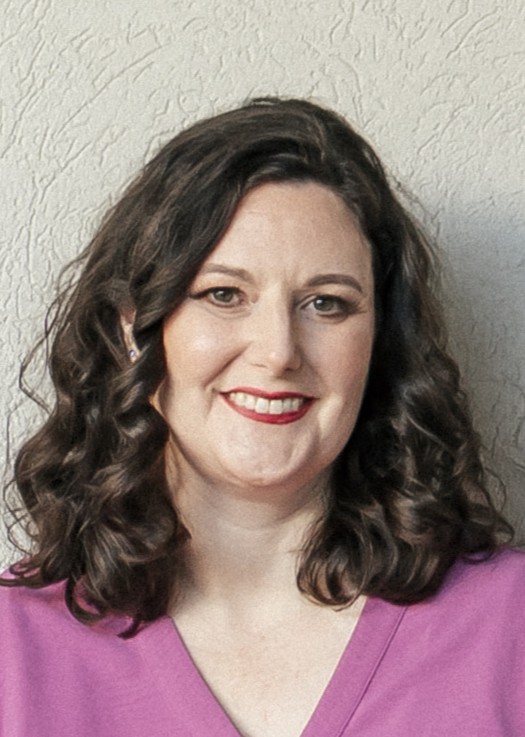
Article by
Rachel McBryan, Dietitian
Rachel McBryan is a licenced Dietitian in British Columbia offering comprehensive nutrition counselling as virtual and/or in-person counselling sessions to suit your needs and preferences. With a Bachelor of Science in Nutrition and Food Science, Rachel has over 20 years experience helping people address their health through nutrition. She was awarded Human Nutrition and Food Science BSc.from University of Alberta followed by post-grad course work at UBC in guidance counselling.