
An eating disorder is a serious mental health illness.
If you are in immediate distress or crisis, please contact emergency services by dialing 911 or calling Vancouver Island Crisis Line: 1-888-494-3888. A dietitian, psychologist, psychiatrist, and medical team work together to support eating disorder recovery.
This article is educational information only, not professional diagnosis or treatment. Content is AI generated and may not be reviewed for accuracy.
What if the path to feeling better isn’t cutting out more foods, but finally learning how to add the right ones back in? You’ve likely spent hours staring at grocery shelves, feeling overwhelmed by conflicting advice and wondering why symptoms like bloating won’t budge despite your best efforts. It’s exhausting to feel like you must choose between your health and the cultural dishes you love. Working with a custom meal planning dietitian means you don’t have to make that trade-off. We believe a plan only works if it fits into your actual life, not a perfect version of it.
You’ll discover how a Registered Dietitian creates a personalized roadmap that balances medical necessity with the foods you actually enjoy. We will explore how expert support can help replace decision fatigue with clarity and may assist you in regaining your energy without the stress of “clean eating” guilt. This article is for general educational purposes and is not a substitute for individualized medical or nutrition advice. Please speak with a physician, nurse practitioner, pharmacist, or registered dietitian for guidance tailored to your specific needs.
Key Takeaways
- Learn why a collaborative, evidence-based plan from a regulated professional provides more clarity than generic templates found on social media.
- Understand how a custom meal planning dietitian reviews your medical history and symptoms to identify specific micronutrient gaps.
- Discover how personalized nutrition acts as a navigational tool to help manage digestive discomfort while keeping the cultural foods you love.
- Explore the step-by-step journey of a clinical assessment, from sharing your story to building a roadmap that fits your daily life.
- Recognize that this content is for general education and is not a substitute for individualized guidance from a Registered Dietitian or physician.
What Is a Custom Meal Planning Dietitian (and Why Do You Need One)?
Have you ever downloaded a meal plan from the internet only to find it includes ingredients you can’t find or meals you don’t have time to cook? A custom meal planning dietitian does something different. Instead of handing you a rigid template, they work with you to build a strategy based on your unique health history and daily routine. It’s a collaborative process where your preferences are just as important as your nutritional needs.
Think of this professional as an “Expert Guide.” In a world full of nutrition misinformation, they act as a filter, helping you find a safe path through the noise. Unlike social media influencers who might push short-term “quick fixes” or restrictive fads, a dietitian focuses on long-term sustainability. They help you create habits that last because they actually fit your life. This approach helps replace the stress of “eating clean” with a clear, realistic roadmap.
To see how this process works behind the scenes, watch this helpful video:
The Registered Dietitian Difference in Canada
In Canada, the title “dietitian” is protected by law. This means that anyone using this title must meet rigorous education standards, including a university degree and supervised practical training. If you’ve ever wondered what is a dietitian, it’s a regulated health professional held to high ethical standards. In provinces like British Columbia, this regulation ensures you receive evidence-informed care. While “nutritionist” can be an unregulated term in some areas, choosing a Registered Dietitian gives you the security of knowing your plan is backed by clinical science. It’s about getting support from a partner who understands the complexities of your body.
Why One-Size-Fits-All Diets Often Fail
Generic diets often ignore your biological uniqueness. Your metabolism, gut microbiome, and even your family dynamics are specific to you. When a plan doesn’t account for your cultural food preferences or your busy work schedule, it usually leads to frustration. This cycle can take a heavy psychological toll, making you feel like you’ve failed when the plan was actually the problem. A personalized approach helps remove that burden by adapting to your lifestyle rhythms rather than forcing you to change everything at once. If you’re ready to move away from generic templates, you can reach out to us at Wise Eats to start a conversation.
This article is for general educational purposes and is not a substitute for individualized medical or nutrition advice. Please speak with a physician, nurse practitioner, pharmacist, or registered dietitian for guidance tailored to your specific needs.
The Science of Customization: How We Build Your Nutrition Strategy
Personalized nutrition is more than just a list of ingredients. It’s a clinical strategy built on your specific biological data. When you work with a qualified nutrition professional, they look far beyond the surface of “healthy eating.” The process typically begins with a thorough clinical assessment. This includes reviewing recent blood work, your medical history, and any persistent symptoms you’re experiencing. By understanding your bio-individuality, a custom meal planning dietitian can determine calorie and macronutrient targets that support your metabolism rather than working against it.
This data-driven approach allows for a level of precision that generic apps simply can’t provide. For example, if your lab results show low iron or specific mineral deficiencies, your plan is adjusted to prioritize those nutrients. While we always aim for a “food first” approach, there are times when dietary intake alone may not be enough to meet your needs. In these cases, we may integrate personalized vitamin and mineral supplements into your strategy to help bridge those gaps safely and effectively.
Assessing Your Unique Nutrient Needs
Factoring in Medical Conditions
Meal planning becomes even more vital when managing chronic health conditions. For those with diabetes, we focus on the glycemic index and carbohydrate counting to help manage blood sugar levels. If heart health is a priority, your plan may focus on sodium limits and specific healthy fat ratios. Often, we assist individuals managing multiple conditions at once, such as high blood pressure and IBS. Balancing these competing needs requires a nuanced, expert hand to ensure you stay nourished without triggering symptoms. To understand how evidence-based strategies are applied across different diagnoses, explore our in-depth resource on building a personalized meal plan for health conditions.
This article is for general educational purposes and is not a substitute for individualized medical or nutrition advice. Please speak with a physician, nurse practitioner, pharmacist, or registered dietitian for guidance tailored to your specific needs.
Beyond the Plate: Integrating Digestive Health and Food Relationships
Have you ever felt like food is your enemy? For many, the simple act of sitting down to a meal is shadowed by a single, exhausting thought: “I’m afraid to eat because it always hurts my stomach.” When you live with chronic digestive issues, every bite can feel like a gamble. A custom meal planning dietitian acts as a navigational tool during these times. Instead of just giving you a list of “safe” foods, they help you understand why your body reacts the way it does. This approach isn’t about taking foods away; it’s about carefully adding variety back into your life while respecting your body’s boundaries.
While many people search for general meal planning resources to manage their health, those with complex digestive or emotional needs require more specific support. This is where the partnership with a regulated professional becomes essential. We focus on rebuilding your confidence so you can move from a place of fear to a place of food freedom. By addressing the emotional side of eating, we help you lower your defences and rediscover the joy of a shared meal.
Managing IBS and Gut Health with Precision
Navigating conditions like IBS, SIBO, or Crohn’s requires a high level of precision. You might have heard of the Low FODMAP approach, but it’s vital to remember that this is a short-term diagnostic tool, not a forever diet. A custom meal planning dietitian ensures this process is supervised to avoid malnutrition and unnecessary restriction. We work together to identify your personal triggers without resorting to permanent, rigid diets. The goal is to lower systemic inflammation while ensuring you still enjoy a diverse, flavourful diet. It’s about finding the balance between gut comfort and total body nourishment.
Supporting Eating Disorder Recovery
In the context of eating disorder recovery, a meal plan serves as a supportive structure. It helps reduce the crushing weight of decision fatigue that often accompanies recovery. We act as a knowledgeable partner, helping you rebuild trust with your body through “gentle nutrition.” This means we move away from weight-centric metrics and focus instead on how food makes you feel. By providing a clear, non-judgmental roadmap, we help lower the anxiety surrounding daily eating. This allows you to focus on the deeper work of healing your relationship with food.
When to Seek Professional Help
If you are experiencing severe digestive pain, sudden weight changes, or a distressing relationship with food, it is important to seek an individualized assessment. Conditions like eating disorders, severe allergies, or active inflammatory bowel disease require specialized clinical care. A dietitian can work alongside your healthcare team to ensure your nutritional strategy is safe and effective for your specific medical situation.
This article is for general educational purposes and is not a substitute for individualized medical or nutrition advice. Please speak with a physician, nurse practitioner, pharmacist, or registered dietitian for guidance tailored to your specific needs.
What to Expect: Your Journey Toward a Personalized Plan
Starting a partnership with a custom meal planning dietitian is a transition from feeling overwhelmed to having a steady hand lead the way. This isn’t a one-way street where you’re told what to do; it’s a collaborative process designed to fit your actual life. We begin by identifying your specific pain points and validating the struggles you’ve faced with food in the past. From there, we follow a methodical path to help you gain clarity and confidence in your daily eating habits.
Your journey typically follows these five steps:
- The Initial Consultation: You share your story, health goals, and the specific obstacles that make grocery shopping or cooking feel like a chore.
- The Deep-Dive Analysis: We review your medical history, recent lab results, and your unique lifestyle rhythm to understand what your body needs.
- The Draft Phase: We collaborate on a plan that respects your favourite flavours and cultural traditions, ensuring you never feel deprived.
- Implementation and Feedback: You begin the plan, and we stay in close contact to adjust things as you live them out in the real world.
- Long-term Mastery: Eventually, you gain the skills to organize your own meals with ease, moving beyond the need for a structured plan.
If you’re ready to replace decision fatigue with a clear roadmap, you can book an initial consultation to begin your personalized path.
The Collaborative Feedback Loop
The most important part of this process is your feedback on the “draft” plan. Life is rarely perfect, and a plan that looks good on paper might not survive a busy work week or a sudden social event. This is the difference between a static PDF you might find online and a dynamic coaching relationship. We treat your meal plan like a navigational tool that we recalibrate whenever you hit a roadblock. If a recipe doesn’t work for your schedule or a specific food triggers bloating, we pivot and find a better solution together.
Insurance and Accessibility in Canada
Many people are surprised to learn that professional nutrition support is more accessible than they realized. Many private insurance plans in Canada cover Registered Dietitian services. In fact, some industry reports suggest that as high as 60-70% of employee health benefit plans may include coverage for these consultations. We recommend checking your “Extended Health Benefits” booklet or contacting your provider to see if you have a health spending account or specific dietitian coverage. Investing in professional guidance now can be a proactive way to support your long-term well-being.
This article is for general educational purposes and is not a substitute for individualized medical or nutrition advice. Please speak with a physician, nurse practitioner, pharmacist, or registered dietitian for guidance tailored to your specific needs.
Start Your Personalized Path with Wise Eats Registered Dietitians
Moving from a state of uncertainty to one of clarity shouldn’t feel like another chore on your to-do list. At Wise Eats, our team of Registered Dietitians is dedicated to providing evidence-informed, compassionate care to individuals across Canada. We understand that your relationship with food is deeply personal. Whether you are navigating the complexities of digestive health nutrition, seeking support for eating disorder recovery, or looking for practical weight management strategies, we are here to simplify the process. Our role is to act as your Knowledgeable Partner; we filter out the noise so you can focus on feeling better.
Working with a custom meal planning dietitian allows you to stop guessing and start following a plan built for your real life. We don’t just hand over a list of rules. Instead, we provide a supportive framework that evolves with you. By choosing a regulated professional, you gain a steady hand to help you manage symptoms like bloating or fatigue while still enjoying the foods that make life flavourful. It’s about finding a balance that works for your body and your schedule.
Our Compassionate, Science-Backed Approach
Rachel McBryan, RD, and the Wise Eats team prioritize your peace of mind above all else. We know that feeling “prescribed” to can feel cold and clinical. That is why we focus on making sure you feel seen and heard during every session. Our approach often includes the integration of personalized vitamin and mineral supplements when dietary intake alone may not be sufficient to meet your needs. This ensures your nutrition strategy is as comprehensive as it is compassionate, addressing both your biological requirements and your emotional well-being.
Take the First Step Today
Ready to begin? Booking your first virtual consultation is a simple process designed to lower your stress, not add to it. You can visit our contact page to find a time that works for your schedule. To make the most of our first meeting, it helps to have a general idea of your health goals and any recent notes from your healthcare team. Remember, you don’t have to figure this out alone. We are in this together, and we are ready to help you build a sustainable, joyful relationship with food.
This article is for general educational purposes and is not a substitute for individualized medical or nutrition advice. Please speak with a physician, nurse practitioner, pharmacist, or registered dietitian for guidance tailored to your specific needs.
Take the Next Step Toward Food Clarity
You’ve seen how a personalized approach can turn the daily stress of eating into a manageable, even joyful, part of your life. By moving away from generic templates and embracing a strategy built on your clinical needs and personal tastes, you’re investing in your long-term well-being. Whether you’re managing a chronic condition or rebuilding your relationship with food, working with a custom meal planning dietitian provides the expert guidance you need to move forward with confidence. Our team of Registered Dietitians is regulated in Canada and provides evidence-based support for IBS, digestive health, and compassionate eating disorder recovery care.
Ready to find a roadmap that actually works for you? Book Your Custom Meal Planning Consultation with a Wise Eats Dietitian today. We are here to listen, support, and help you find a sustainable path that feels right for your body. You don’t have to navigate these changes alone; we are in this together.
This article is for general educational purposes and is not a substitute for individualized medical or nutrition advice. Please speak with a physician, nurse practitioner, pharmacist, or registered dietitian for guidance tailored to your specific needs.
Frequently Asked Questions
Does a dietitian just give me a list of recipes?
No, a dietitian provides much more than a simple recipe list. While recipes are included, your plan is a clinical tool that incorporates your medical history, nutrient needs, and lifestyle rhythms. It serves as a navigational guide rather than a static document. We work together to ensure the plan remains practical and sustainable for your specific daily routine.
How much does a custom meal plan from a dietitian cost in Canada?
Costs for professional nutrition services in Canada vary depending on the complexity of your needs and the level of support required. Many practitioners offer initial consultations followed by shorter check-in sessions to track your progress. Some professionals also provide monthly packages for ongoing one-on-one support. It’s best to check with your provider directly to understand their specific fee structure and any available service bundles.
Can a dietitian help me with a specific medical condition like IBS or diabetes?
Yes, Registered Dietitians are trained to provide evidence-informed nutrition education for managing various medical conditions. For IBS, this may involve identifying personal triggers through a supervised process. For diabetes, the focus often shifts to managing blood sugar through carbohydrate awareness. A custom meal planning dietitian can help you navigate these clinical requirements while ensuring you stay properly nourished and satisfied with your meals. If you’d like a deeper look at how this works in practice, our guide on developing a personalized meal plan for health conditions walks through the evidence-based process in detail.
Will I have to give up my favourite cultural foods on a custom plan?
You don’t have to give up the cultural foods you love to eat healthy. A personalized approach means your favourite dishes are integrated into your strategy rather than removed. We believe that food is more than just fuel; it’s a connection to your heritage and family. We work to adapt traditional recipes so they align with your health goals without losing their flavour or significance.
Is a Registered Dietitian covered by my Canadian insurance plan?
Many private insurance plans in Canada provide coverage for Registered Dietitian services. You should check your specific “Extended Health Benefits” to see if you have a health spending account or a dedicated category for dietitian consultations. In some cases, as high as 60-70% of employee benefit plans may include this type of professional support. This coverage helps make expert guidance more accessible for your long-term health journey.
How long does it take to see results from a personalized meal plan?
The timeline for noticing changes can vary significantly from person to person. Some individuals may feel a difference in their energy levels or digestive comfort within the first few weeks of consistent implementation. However, sustainable habit change and long-term health improvements typically take more time. We focus on steady, manageable progress rather than immediate “quick fixes” that are difficult to maintain over the long run.
What is the difference between a meal plan and nutrition counseling?
A meal plan provides a structured roadmap of what to eat, while nutrition counseling focuses on the “how” and “why” behind your eating habits. Counseling often addresses your relationship with food and helps you build the skills needed for long-term independence. A custom meal planning dietitian often combines both approaches, giving you clear daily instructions while also supporting you through the emotional and behavioural aspects of dietary change.
Do I need a referral from my doctor to see a dietitian for meal planning?
You generally do not need a doctor’s referral to see a Registered Dietitian in private practice. However, some insurance providers might require a referral to process your reimbursement claims. It’s also helpful to share any relevant medical notes or blood work from your physician during our initial meeting. This collaboration ensures your nutrition strategy aligns with the care you receive from the rest of your healthcare team.
This article is for general educational purposes and is not a substitute for individualized medical or nutrition advice. Please speak with a physician, nurse practitioner, pharmacist, or registered dietitian for guidance tailored to your specific needs.
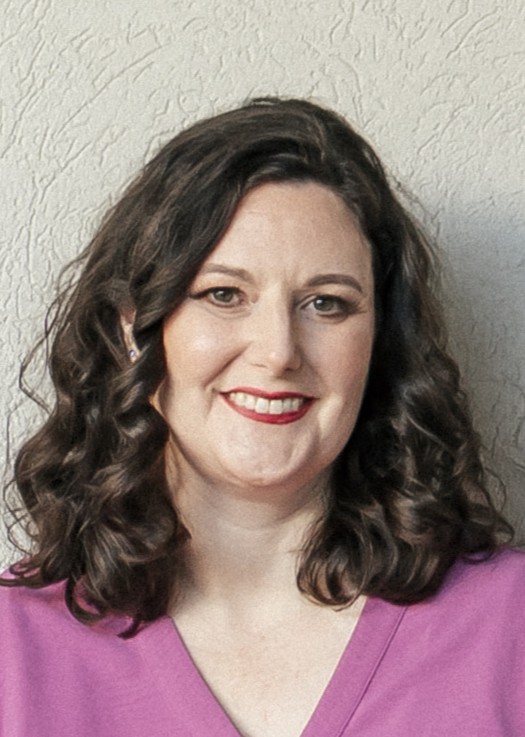
Article by
Rachel McBryan, Dietitian
Rachel McBryan is a licenced Dietitian in British Columbia offering comprehensive nutrition counselling as virtual and/or in-person counselling sessions to suit your needs and preferences. With a Bachelor of Science in Nutrition and Food Science, Rachel has over 20 years experience helping people address their health through nutrition. She was awarded Human Nutrition and Food Science BSc.from University of Alberta followed by post-grad course work at UBC in guidance counselling.