
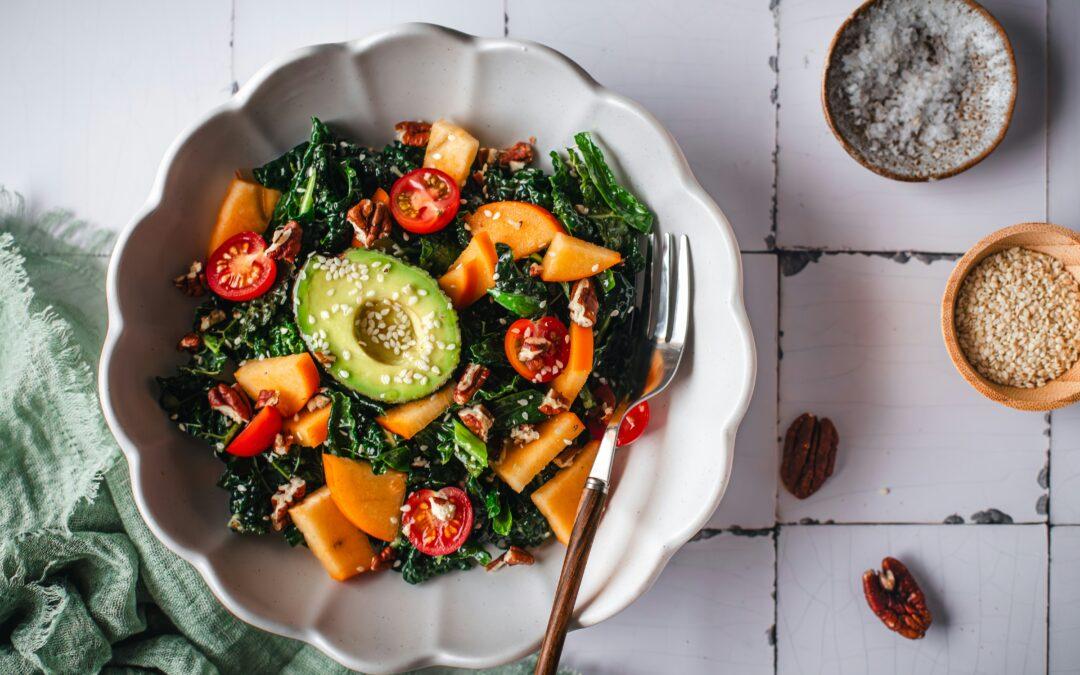
Incorporating iron-rich foods and embracing the Mediterranean diet not only supports your overall health but also enhances your nutrient intake and energy levels. This article explores the importance of iron in your diet, the benefits of the Mediterranean dietary pattern, and practical meal planning strategies to optimize your nutrition. Key takeaways include understanding sources of iron, the health benefits of the Mediterranean diet, how to enhance iron absorption with vitamin C, and tips on meal planning for better health. This guidance aims to empower you to make informed dietary choices that promote well-being.
Understanding Iron and Its Importance
Iron is an essential mineral that plays a critical role in various bodily functions, including the formation of hemoglobin, which carries oxygen in the blood. A deficiency in iron can lead to anemia, fatigue, and weakened immune function. To increase your iron intake, it’s vital to consume a variety of iron-rich foods, which can be categorized into two types: heme and non-heme iron. Heme iron, found in animal products such as red meat, poultry, and fish, is more readily absorbed by the body compared to non-heme iron, which is found in plant-based sources like legumes, leafy greens, nuts, and fortified cereals. For those following a vegetarian or vegan diet, it’s especially important to incorporate a diverse range of non-heme iron sources to meet daily requirements. Furthermore, pairing these foods with vitamin C-rich items, such as citrus fruits, tomatoes, and bell peppers, can enhance the absorption of non-heme iron, making your meals not only nutritious but also more effective in combating iron deficiency. Understanding and implementing these dietary strategies can lead to better health outcomes and increased vitality.
- Iron is crucial for producing hemoglobin, which carries oxygen in the blood.
- Consuming vitamin C-rich foods alongside iron sources can improve iron absorption significantly.
- Vegetarians can focus on plant-based iron sources like legumes and fortified cereals, though they may require more due to lower absorption rates.
- Cooking in cast iron pots can increase the iron content of food.
- Regularly checking iron levels through blood tests can help monitor and manage dietary intake effectively.
Exploring the Mediterranean Diet
The Mediterranean diet is recognized for its numerous health benefits, including improved heart health and weight management. This dietary pattern emphasizes whole, minimally processed foods that are naturally rich in nutrients. Key components include a high intake of fruits and vegetables, whole grains, healthy fats (particularly from olive oil), lean proteins from fish and poultry, and moderate consumption of dairy, primarily in the form of yogurt and cheese. The diet is also characterized by limited intake of red meat and processed foods, which can contribute to chronic diseases when consumed in excess. The abundance of antioxidants, healthy fats, and fiber in the Mediterranean diet not only supports physical health but also promotes mental well-being. Research has shown that adhering to this dietary pattern can reduce the risk of cardiovascular disease, improve cognitive function, and support weight management efforts. Adopting the Mediterranean diet can be a delicious and sustainable way to improve your overall health while enjoying a wide variety of foods.
- The Mediterranean diet emphasizes iron-rich foods like fish and legumes, aligning with the goal of increasing iron intake.
- Fruits and vegetables in the Mediterranean diet provide vitamin C, which aids in iron absorption from meals.
- Healthy fats from olive oil can support overall nutrient absorption, including iron.
- The limited consumption of red meat in the Mediterranean diet encourages a diverse intake of other iron sources.
- Meal planning within the Mediterranean framework can help ensure balanced iron intake alongside other nutrients.
Meal Planning for Optimal Nutrition
Effective meal planning is crucial for maintaining a healthy diet and ensuring that you meet your nutritional needs. By preparing meals in advance, you can make healthier choices and minimize the temptation to opt for processed or fast foods. Start by creating a weekly menu that incorporates a variety of iron-rich foods and Mediterranean staples. For instance, you can plan meals around dishes such as lentil soup, grilled salmon with quinoa, or a vibrant salad featuring leafy greens, nuts, and fresh vegetables. Additionally, consider batch cooking healthy grains and legumes to have on hand throughout the week, enabling quick meal assembly. Always keep a stock of vitamin C-rich foods to pair with your iron sources, enhancing absorption. Furthermore, keeping a well-balanced pantry stocked with healthy fats, whole grains, and a variety of spices can elevate your meals and encourage creativity in the kitchen. Meal planning not only streamlines your grocery shopping but also saves time and ensures you maintain a balanced diet that supports your health goals.
- Planning meals that include both iron-rich foods and vitamin C sources can enhance dietary effectiveness.
- Adopting Mediterranean-style meal prep can lead to improved overall nutrition and iron levels.
- Using apps or services for meal tracking can help individuals monitor their iron intake effectively.
- Workshops on Mediterranean cooking can educate on how to create iron-rich meals.
- Consulting with nutritionists for tailored meal plans can assist in achieving specific health goals, including iron enhancement.
1. Incorporate red meat, poultry, and fish into your meals for heme iron intake.
2. Add legumes, tofu, and leafy greens to boost your non-heme iron sources.
3. Pair iron-rich foods with vitamin C sources like oranges or bell peppers to enhance absorption.
4. Follow the Mediterranean diet by focusing on whole grains, healthy fats, and fresh produce.
5. Plan your meals weekly to incorporate a variety of iron-rich and Mediterranean foods.
Iron is one of the many essential nutrients that the body needs to function properly. This post explores the roles of iron in supporting your health, the different types of iron and what foods to add to your diet to improve your iron levels.
Importance of Iron-rich Foods in Your Diet
One of iron’s most important roles in the body is as a building block for hemoglobin, which moves oxygen around your body. Without enough iron, your body is not able to form hemoglobin, which can also impact your body’s production of red blood cells (RBCs).
Impact on Health
Iron deficiency can have many implications on your health. It can cause fatigue, anemia, and even weaken your immune system. Additionally, low iron levels can also impact fertility, making it harder for people of childbearing age to become pregnant.
Signs of Deficiency
There are a few physical signs that you may have iron deficiency. Common signs of deficiency include:
- Feeling tired and weak despite getting enough sleep
- Pale skin and nails
- Shortness of breath
- Feeling dizzy when exercising or doing strenuous activities
Testing for Iron Deficiency
Your doctor can order blood tests to measure your iron levels and check if you’re at risk of iron deficiency anemia (IDA). These blood tests would include:
- Serum iron test: This measures the amount of iron within your blood
- Transferrin test: This measures the amount of iron-transporting protein in your blood.
- Iron binding capacity test: This measures how well iron attaches to transferrin, and the other proteins found in your blood.
- Ferritin test: This measures how much iron is stored throughout your body.
Having low levels of one, or more of these measures may indicate iron deficiency anemia. You can learn more about iron deficiency anemia here.
Sources of Iron
There are two types of iron found in our diet - heme iron and non-heme iron. Below you will find the differences between the two types of iron, and what iron-rich foods you can find them in.
Sources of Heme Iron
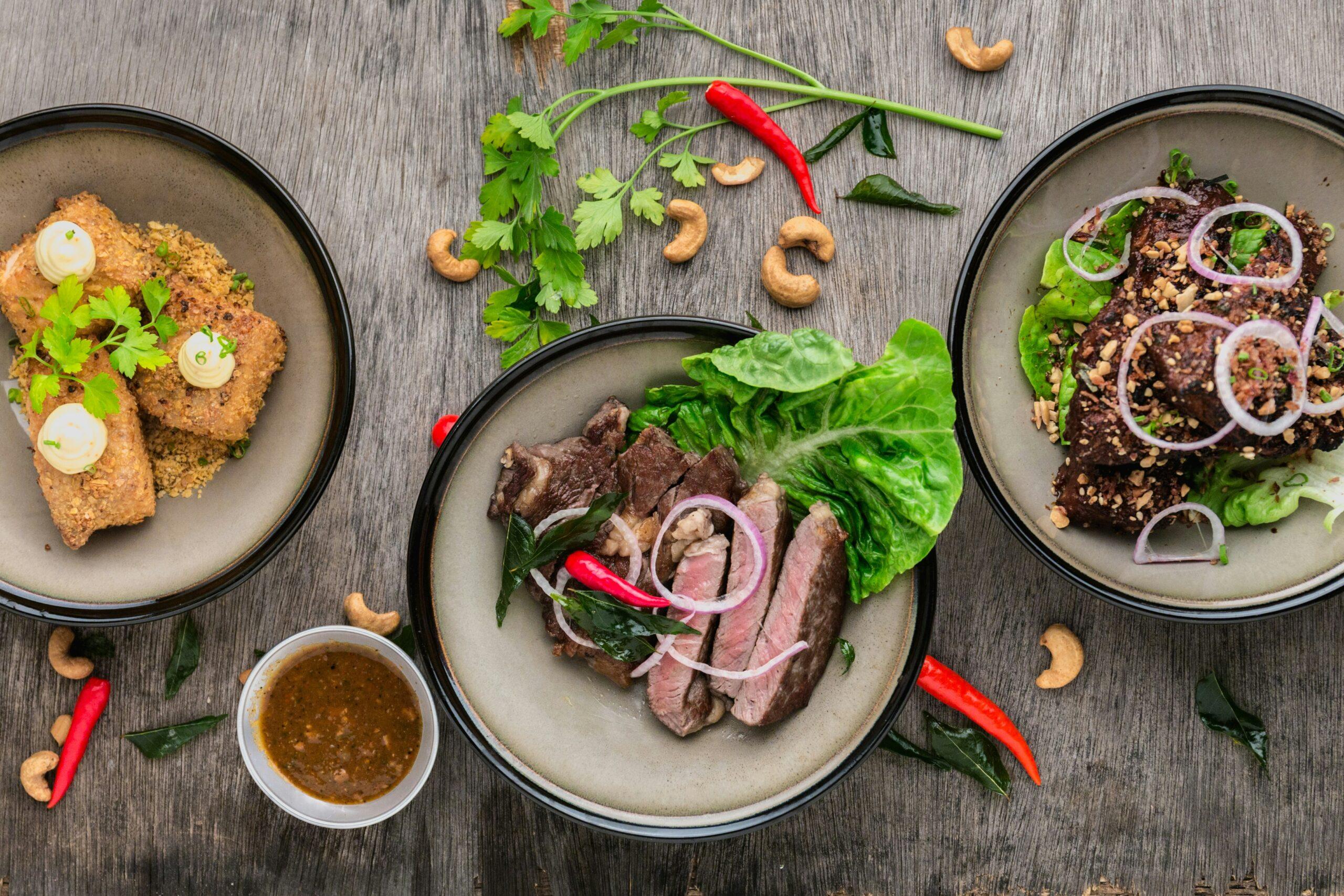
Heme iron is found in animal products, including:
- Red meat (such as beef and lamb)
- Poultry (such as chicken and turkey)
- Fish (such as tuna and salmon)
Sources of Non-Heme Iron
Non-heme iron is typically found in fruits and vegetables, including:
- Legumes (beans, lentils and chickpeas)
- Tofu and tempeh
- Nuts and seeds
- Whole grains (such as quinoa, brown rice and oats)
- Dark leafy vegetables (kale, Swiss chard)
Tips for Increasing Your Iron Intakes
1. Incorporate red meat, poultry, and fish into your meals for heme iron intake.
2. Add legumes, tofu, and leafy greens to boost your non-heme iron sources.
3. Pair iron-rich foods with vitamin C sources like oranges or bell peppers to enhance absorption.
4. Follow the Mediterranean diet by focusing on whole grains, healthy fats, and fresh produce.
5. Plan your meals weekly to incorporate a variety of iron-rich and Mediterranean foods.Choose more heme iron
In summary, understanding the importance of iron and the benefits of the Mediterranean diet can significantly enhance your overall health and nutrition. By incorporating a variety of iron-rich foods and embracing a dietary pattern that emphasizes whole, nutrient-dense options, you can support your body’s needs and improve your well-being. Remember to enhance iron absorption by pairing your meals with vitamin C-rich foods and consider meal planning to simplify your journey towards healthy eating. Embracing these dietary strategies will not only help you meet your nutritional goals but also foster a sustainable and enjoyable approach to eating. With the right knowledge and planning, you can take charge of your health and make informed choices that contribute to a vibrant lifestyle.
To further tailor your nutrition plan and ensure you’re meeting your dietary needs, consider making an appointment with a Registered Dietitian. They can provide personalized guidance and support on your journey to better health through informed eating habits.