
Thyroid problems can cause several seemingly unrelated issues throughout the body such as changes in energy levels, weight, digestion and even mood. The thyroid helps control many important processes throughout the body, including metabolism, which can make weight loss difficult with hypothyroidism.
There are some important foods and nutrients that can help you feel better and manage your weight. By providing your body with proper nutrition—along with prescribed medications—you can help reduce your symptoms and lose weight.
Before we dive into nutrition tips, let’s start by understanding the thyroid and why it’s so important for your body and mind.
What Does Your Thyroid Do?
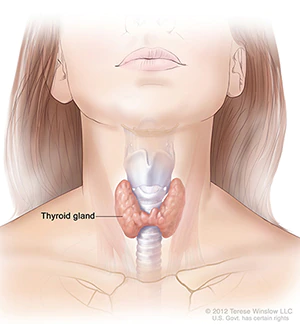
Your thyroid is a butterfly-shaped gland at the front of your neck. It secretes hormones that regulate many processes throughout the body, including your breathing, heart rate, body temperature, and brain. Thyroid hormones are also essential during pregnancy and breastfeeding.
These hormones can also influence your metabolism. When your thyroid produces large amounts of hormones, many systems speed up. On the other hand, when it produces small amounts of hormones, your body systems may slow down.
Hypothyroidism
Hypothyroidism is when your thyroid gland is not producing enough hormones. Hypothyroidism affects nearly 1 in 20 Americans over the age of 12. On the other hand, overactive thyroids, also known as hyperthyroidism, are less common and affect as few as 1 in 100 Americans. Thyroid problems usually occur in women, people over 60 years old, and those with a family history of thyroid issues.
Because of the role thyroid hormones play in regulating your metabolism, people with hypothyroidism often find it difficult to lose weight.
Causes of Hypothyroidism
The most common cause of hypothyroidism is an autoimmune condition called, Hashimoto’s Disease. Hashimoto’s disease occurs when your body’s immune system mistakenly attacks and destroys your body’s cells. People with other autoimmune conditions, such as celiac disease or type 1 diabetes, are more likely to develop Hashimoto’s disease than others.
Other causes of hypothyroidism are:
- Inflammation
- Iodine deficiency
- Medications
Symptoms of Hypothyroidism
There are many symptoms of hypothyroidism. Some common ones include:
- Fatigue and weakness
- Weight gain
- Trouble tolerating the cold
- Difficult concentration and memory problems
- Joint and muscle pain
- Constipation
- Dry or thinning skin, hair and nails
- Heavy or irregular menstrual problems
- Fertility problems
- Slow heart rate
Symptoms of hypothyroidism can vary from person to person, so your symptoms may not align with someone else’s. Hypothyroidism develops gradually over time, so many people don’t notice symptoms for months or even years.
Testing and Treatment of Hypothyroidism
If you are experiencing signs and symptoms of hypothyroidism, it’s important to chat with your doctor as hypothyroidism can increase your risk of complications such as high cholesterol, high blood pressure and heart disease.
Your doctor can order blood tests to measure your thyroid hormone levels and confirm hypothyroidism. If required, your doctor can also prescribe medications to replace the hormones that your thyroid is no longer making. Your doctor can work with you to find the right dose to improve your symptoms.
Thyroid and Weight
The thyroid helps to control metabolism, which means it can also impact your weight. With hypothyroidism, the body isn’t energy properly which contributes to weight gain – one of the common symptoms.
Typically, hypothyroidism is associated with a 5-10 lbs weight gain. Successful treatment of hypothyroidism usually leads to weight loss to a person’s baseline weight.
Iodine
Iodine is one of the essential minerals that the thyroid needs to make hormones. Without adequate amounts of iodine, your thyroid will not be able to make enough hormones. Health Canada recommends healthy adults consume 150 mcg of iodine per day. Fortunately, most Canadians meet their iodine needs from their diet.
Iodine is found in seawater and some soils. There are many food sources of iodine including,
-
- Shellfish
- Dairy
- Eggs
- Soy products
Excess Iodine
Consuming excess amounts of iodine may worsen your hypothyroid symptoms and increase your risk of developing an overactive thyroid (hyperthyroidism). You can learn more about iodine, how much you need, and ways to include it in your diet here.
Tips for Taking Thyroid Medication
If you’re taking thyroid medications, there are some dietary elements that you should be aware of.
Some foods can impact your body’s ability to absorb thyroid medication. These foods should be avoided for a few hours after taking your medication. Some examples of these foods include:
- Grapefruit and grapefruit juice
- High-fibre foods
- Soy products
- Walnuts
It is important to check the instructions listed on your medication for a full list of foods, vitamins, minerals or supplements to limit when taking thyroid medication.
Losing Weight with Hypothyroidism
Although losing weight with hypothyroidism can be challenging, it’s not impossible. Eating a healthy diet can help support your weight loss by supporting your metabolism, digestive health, heart and brain.
A thyroid-healthy diet for weight loss includes,
- A variety of fruits, vegetables
- Lean protein – including eggs, poultry, legumes, fish and shellfish
- Whole grains
- Seeds and nuts
- Heart-healthy oils – such as avocado oil and olive oil
You can also check out these recipes to help you lose weight with hypothyroidism:
You can find more nutrition tips for weight loss here.
The Takeaway
Nutrition has an important role in losing weight with hypothyroidism. Knowing what to eat when your metabolism is slow can help you feel better, reduce your symptoms and help you lose weight.
If you feel that you have symptoms that may be related to thyroid issues, speak with a healthcare provider. They will review your medical history and symptoms, and help you decide if you need further testing or treatment.
Never stop taking your medications without speaking with your doctor or pharmacist first. Working with a Registered Dietitian can help you establish a diet to support weight loss, even with an underactive thyroid.
Learn More About Weight Loss with Hypothyroidism
Need nutrition support and more information on how to lose weight with hypothyroidism? Book a FREE discovery call to learn how a Registered Dietitian can support your weight loss journey.

With a Bachelor of Science in Nutrition and Food Science, Rachel has over 20 years experience helping people address their health through nutrition. She attended the University of Alberta and UBC. She started with chemistry and then focused on Human Nutrition and Food Science. Her career rounded out with guidance counselling post-grad course work at University of British Columbia. She has a teen aged son and 2 cats and loves the beauty of the Oceanside Area of Qualicum, Parksville and Naniamo - yes! the home of the famous Naniamo Bar!