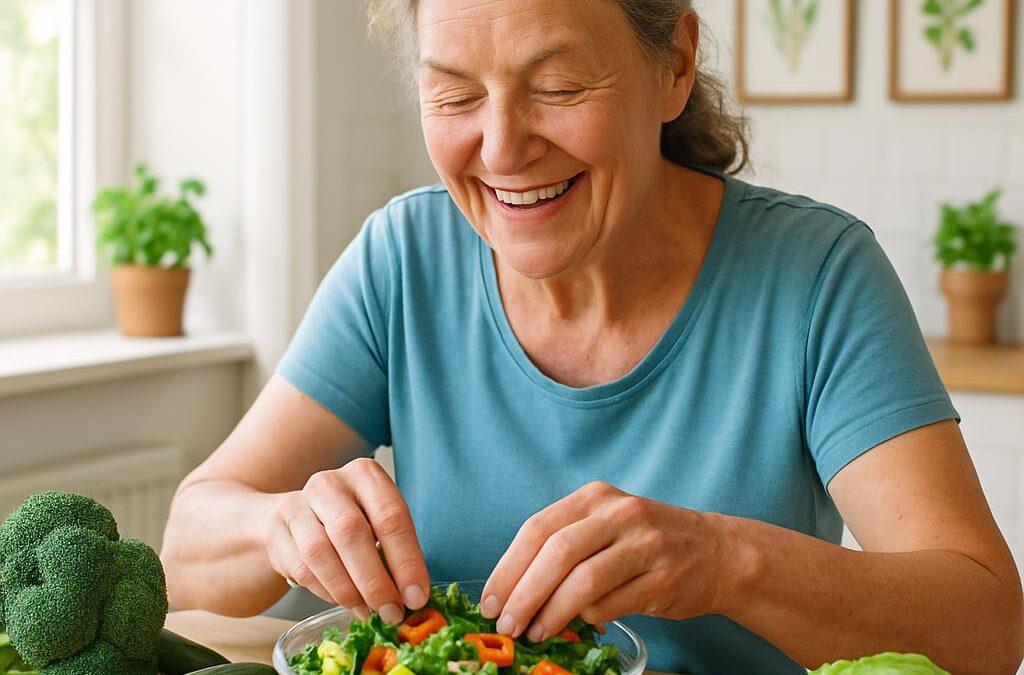
As we age, maintaining optimal health becomes increasingly crucial. Personalized nutrition plays a vital role in supporting the well-being of older adults, helping prevent diseases and enhancing quality of life. With the right nutritional interventions, older individuals can better manage chronic conditions, maintain mobility, and improve cognitive function. In this article, we will explore significant components of personalized nutrition, the importance of holistic approaches, and how empowering individuals with knowledge can lead to sustainable healthy eating habits. From understanding nutritional analysis to implementing effective meal planning strategies, these takeaways are essential for achieving health goals.
The Importance of Personalized Nutrition
Personalized nutrition is crucial for older adults because it recognizes that individual dietary needs can vary greatly based on health status, lifestyle, and personal preferences. Tailored nutrition plans can address health concerns such as chronic diseases, malnutrition, and digestive issues, ultimately leading to improved health outcomes. For instance, a dietary regimen rich in antioxidants can help fight inflammation and oxidative stress, which are common issues in older populations. Alternatively, individuals with specific medical conditions, like diabetes or hypertension, may require specialized diets that focus on controlling their symptoms and improving their overall health.
In addition, personalized nutrition promotes a life-long connection to food, emphasizing the emotional and social aspects of eating. This approach not only nurtures physical health but also contributes positively to mental well-being. Many older adults may struggle with feelings of loneliness or loss of identity, and personalized meal planning that includes social dining experiences can enhance their quality of life.
– **Customization**: Each person has different health conditions, preferences, and lifestyles that require unique nutritional considerations.
– **Effectiveness**: Personalized nutrition has been shown to lead to better health outcomes, particularly in managing chronic diseases prevalent among older adults.
– **Behavioral Change**: Personalized approaches encourage individuals to adopt healthier habits, thereby improving adherence to nutritional plans.
– **Monitoring Progress**: Instruments to track dietary intake and adjust plans accordingly help individuals stay on track with their goals.
– **Cultural Relevance**: Personal plans can incorporate food traditions and preferences, making them more enjoyable and sustainable.
A Holistic Approach to Nutrition
A holistic approach to nutrition involves looking beyond mere caloric intake and focusing on all aspects of health and wellbeing. For older adults, this means recognizing the interplay between diet, physical health, emotional wellness, and even community support systems. Consuming a balanced diet rich in vitamins, minerals, and nutrients aids in maintaining not only physical strength but also cognitive function.
Furthermore, holistic nutrition encourages an understanding of the foods we consume, promoting mindfulness around eating habits. Education about food choices empowers older adults to make informed decisions that benefit their health. This may include understanding portion sizes, the importance of hydration, and the benefits of diverse food groups. By incorporating whole foods and incorporating a variety of flavors, older adults can enjoy their meals while reaping the benefits of good nutrition.
– **Mind-Body Connection**: A holistic approach recognizes that mental health impacts physical health and vice versa, leading to more comprehensive care.
– **Nutritional Psychology**: Understanding how diet affects mood can empower individuals to choose foods that promote emotional well-being.
– **Lifestyle Integration**: Addressing exercise and mental health alongside nutrition fosters a balanced approach to overall health.
– **Community Involvement**: Engaging with social supports and community resources adds an enriching dimension to nutritional practices.
– **Long-Term Health**: A holistic view helps predict successful aging and enhances quality of life for older adults.
Developing Sustainable Healthy Eating Habits
Sustainable healthy eating habits are vital for the long-term wellbeing of older adults. The key to achieving this lies in establishing practical and enjoyable eating practices that can be maintained over time. For instance, learning to plan meals around seasonal produce not only ensures freshness and optimal nutrient content but supports local agriculture.
Plan small, manageable changes that gradually enhance the diet. Older adults may benefit from introducing one or two new healthy foods each week or experimenting with cooking methods that reduce fat and sodium without sacrificing flavor. Another critical aspect is maintaining flexibility in meal planning, allowing changes based on one’s preferences and availability. This creates an enjoyable eating experience that encourages older adults to stick with healthy choices.
– **Meal Planning**: Practical strategies for incorporating a variety of foods to meet individual dietary needs can support long-term adherence.
– **Cooking Classes**: Offering classes in meal preparation can empower older adults to create healthier dishes that align with their preferences.
– **Support Groups**: Establishing groups for sharing experiences around healthy eating can enhance motivation and accountability.
– **Technology Use**: Utilizing apps that track food intake and health metrics can promote sustained engagement and progress monitoring.
– **Healthcare Collaborations**: Working with healthcare providers to align dietary recommendations with medical advice ensures comprehensive care.
Recommendations:
1. Consult with a Registered Dietitian for a personalized nutrition plan tailored to your specific health needs.
2. Prioritize whole foods over processed options, focusing on fruits, vegetables, whole grains, and lean proteins.
3. Engage in social eating experiences to build connections and foster emotional health.
4. Stay hydrated and be mindful of your fluid intake; consider nutrient-dense options like broths and smoothies.
5. Experiment with meal planning strategies that involve seasonal ingredients for flavor and nutrition.
In conclusion, personalized nutrition is an essential element in achieving and maintaining optimal health for older adults. By recognizing individual needs and establishing holistic, sustainable eating habits, older individuals can enhance their quality of life significantly. This includes managing chronic conditions, fostering emotional well-being, and enjoying social dining experiences. Emphasizing education, empowerment, and individual preferences can transform the relationship older adults have with food, ultimately leading to long-lasting health benefits. As knowledge about nutrition continues to evolve, it is crucial to adapt meal plans accordingly, ensuring older adults receive the best possible care for their nutritional needs.
If you are ready to take charge of your nutrition journey, consider scheduling an appointment with a Registered Dietitian. They will provide personalized guidance to help you achieve your health goals through improved nutrition.

Nutrition Assistant (AI)
Our AI Nutrition Assistant is only allowed to access to nutrition information available for the public that our dietitians' deem to be reliable and safe. However the information found on the internet can never give you medical or nutrition advice specific to your situation. Our Nutrition Assistant is using experimental generative AI which has the potential to have the occasional hallucination and make connections that are not real, although they try thier very best!
