

he link between foods in our diet and our mental health begins in our digestive tract. Our digestive tract is also known as the "second brain" due to its rich nThe foods we eat don’t just affect our waistline — they directly influence how we feel, think, and manage stress. The connection between diet and mental health actually begins in the digestive tract, a system so sophisticated that scientists often refer to it as the “second brain.”
Our digestive tract contains a rich network of nerves and produces a wide variety of neurochemicals made by the trillions of bacteria living in our gut. These neurochemicals travel to the brain and help regulate both our physical body and our mental processes, including our mood. In fact, our gut bacteria are responsible for producing about 95% of the serotonin in our bodies — the neurotransmitter most closely linked to feelings of well-being and happiness.
The specific types of bacteria found in our digestive tract influence which neurochemicals are produced and in what amounts. Different bacterial populations therefore have a direct impact on our mental health. You can learn more about the types of bacteria in our gut from the Australian Academy of Science.
Improve Your Mood with Food: Starting with the Microbiome
Let’s unpack some of the exciting (and preliminary) new research about the link between gut health, mood, and stress. Many people also notice how stress impacts our eating habits.
Gut Microbiome
There are trillions of microbes that happily support our gut-brain connection. These friendly microbes do more than help us digest foods, make vitamins, and protect us from the not-so-friendly microbes - they have mood-boosting and stress-busting functions too! It’s a hotbed of research right now and we’re finding out more about their awesome health and mood/stress benefits every day. And, while the research is just starting to figure out the microbiome, it’s such a cool new topic that we couldn’t wait to share it with you!
How the Gut-Brain Axis Works
It may not seem obvious or intuitive, but your body is interconnected in many ways and more research is focusing on the “microbiota-gut-brain axis.” The gut-brain connection is a very complex relationship between your gut, its microbes, and your brain. This new field has been called a “paradigm shift in neuroscience” In fact, there are a number of ways that we’re beginning to understand how our gut microbes can affect our brain in the gut-brain connection. One is via the “vagus” nerve, which is a nerve that directly connects your gut to your brain.
The other ways are through “biochemical messengers.” Biochemicals that are made in your gut and travel throughout the body to communicate with other organs, including your brain. Examples of biochemicals include short-chain fatty acids, cytokines, and even tryptophan (the amino acid that the neurotransmitters melatonin and serotonin are made from).
The exciting thing is that this may help us with not only mood and stress, but the microbiota-gut-brain axis may one day prove to be helpful for other conditions like autism and Parkinson’s.
Gut Microbiome and Probiotics
The microbes that live in our guts are known as our “gut microbiota”. The microbes that we can ingest are known as “probiotics”.“Probiotics” are live organisms that you can eat, drink, or take as a supplement. They turn milk into yogurt, and cabbage into sauerkraut; and they are great for both your gut health and mental health. Special probiotics that have mental health benefits are called “psychobiotics,” (psycho = mental health, and biotics = live). They are live organisms that can benefit our gut-brain connection.
Probiotic-Rich Foods and Supplements
Probiotics can be found in yogurt, sauerkraut (and other fermented veggies), miso, tempeh, and kimchi. You can drink them in kefir or kombucha. Be sure to choose unpasteurized ones that will be refrigerated in your local grocer. Unpasteurized foods are not recommended if you are pregnant or have a compromised immune system, so please check with your Registered Dietitian or physician.
Of course, there are a number of probiotic supplements available too. Check with your Registered Dietitian to identify which one is best for you. Generally, we look for one that’s refrigerated and has at least 10 billion active cultures. We also suggest you look for one that has been “third party tested,” which means someone outside the company has tested it and says it’s a quality product.
Also, be sure to read the label before taking any supplements. The probiotics with the most research are of the Bifidobacterium and Lactobacillus types. But we still don’t know enough about the psychobiotic effects to make specific mood-boosting recommendations yet.
Prebiotics
Earlier we talked about the benefits of consuming probiotic-rich food. Once the gut microbes take up residence in our guts, we need to feed them to support the gut-brain connection!
Prebiotics are food for gut microbes and, when fermented in the gut, produce specific changes in bacterial composition or activity. They are your friendly gut microbes’ favourite delicacies so they’ll happily grow, and multiply. Prebiotics are basically foods that contain fibre. Things like fruits, vegetables, nuts, and seeds. Even dark chocolate (preferably with at least 70% cocoa). Foods that are particularly high in prebiotics include jicama, asparagus, avocado, whole grains, and allium vegetables like onions, garlic, leeks, and shallots.
Giving animals prebiotics has shown to reduce stress hormones and anxiety-related behaviours. In people, studies show that taking psycho-biotics along with prebiotics can improve both the microbes in our gut, as well as our mood.
How Stress and Emotions Affect the Gut Microbiome
When we experience stress, the sympathetic nervous system activates the fight-or-flight response. Digestion slows or stops so the body can focus on survival. The same physical reaction occurs whether the stress is from a real life-threatening situation or a perceived threat — such as a looming work deadline. This disruption can cause pain, nausea, bloating, or other digestive symptoms.
Conversely, strong or frequent digestive issues can increase stress levels and negatively affect mood. People with depression and anxiety tend to experience more gastrointestinal symptoms, and vice versa. The result is a vicious cycle: stress worsens gut problems, gut problems worsen stress and mood.
Many people also notice that stress strongly affects what and how they eat. You can read more in our cluster post: How Stress Impacts Our Eating Habits.
Several studies show that stressed rodents not only have increased stress hormones and stressed behaviours; but, they also have different gut microbes! This has also been studied, to a small extent, in people too. One study showed that moms with high levels of stress hormones during pregnancy had infants with more of the “bad” gut microbes.
But, can it work the other way around? Can changing our gut microbes affect our moods and stress responses?
Studies of rodents that grow up without any gut microbes at all (in a “bacteria-free” environment) respond to stress more than mice with normal gut microbes. Then, when they’re given either a probiotic or gut microbes from non-stressed mice, their stress responses often go back to normal. Dr Ait-Belgnaoui says “Gut microbiota and probiotics alter behaviour and brain neurochemistry.” That’s a pretty powerful statement.
Many animal studies show positive effects on behaviour when they get probiotic supplements. For example, after a probiotic, stressed rats had lower levels of both stress hormones and an inflammatory molecule associated with depression (“LPS” - lipopolysaccharide). Human studies show that after a few weeks of taking probiotic foods or supplements, healthy people have reduced stress hormones, feelings of stress, negative thoughts, and sad moods.
One fascinating study showed that when people took probiotics, brain MRI (magnetic resonance imaging) tests showed reduced brain activity for negative and aggressive thoughts!
There is some exciting research on the positive effect that probiotics can have on moods and stress. So, what can you do to nurture your own healthy gut-brain connection?
Food for Gut Health & Mental Health
Our diet influences which types of bacteria grow and thrive in our gut. Gut bacteria are loosely classified as “good” and “bad.” Some types of diets and foods are associated with the growth of less beneficial bacteria, while others encourage the growth of more beneficial bacteria. Changes in your diet can shift the dominant bacterial species and consequently change the types of neurochemicals they produce.
Diets that support our mental health are typically those that support the growth of healthy gut bacteria. Large studies comparing the typical Western diet with traditional Mediterranean and Japanese diets have found a significantly lower risk of depression among people who follow those eating patterns.
Types of Diets for Gut Health and Mental Health
Diets that support our mental health are typically diets that support the growth of healthy gut bacteria. There have been many studies comparing the typical Western diet seen in North America with other diets such as the Mediterranean and Japanese Diets. Studies have noted a significantly decreased risk of depression in people that ate Mediterranean or Japanese diets.
The Mediterranean Diet
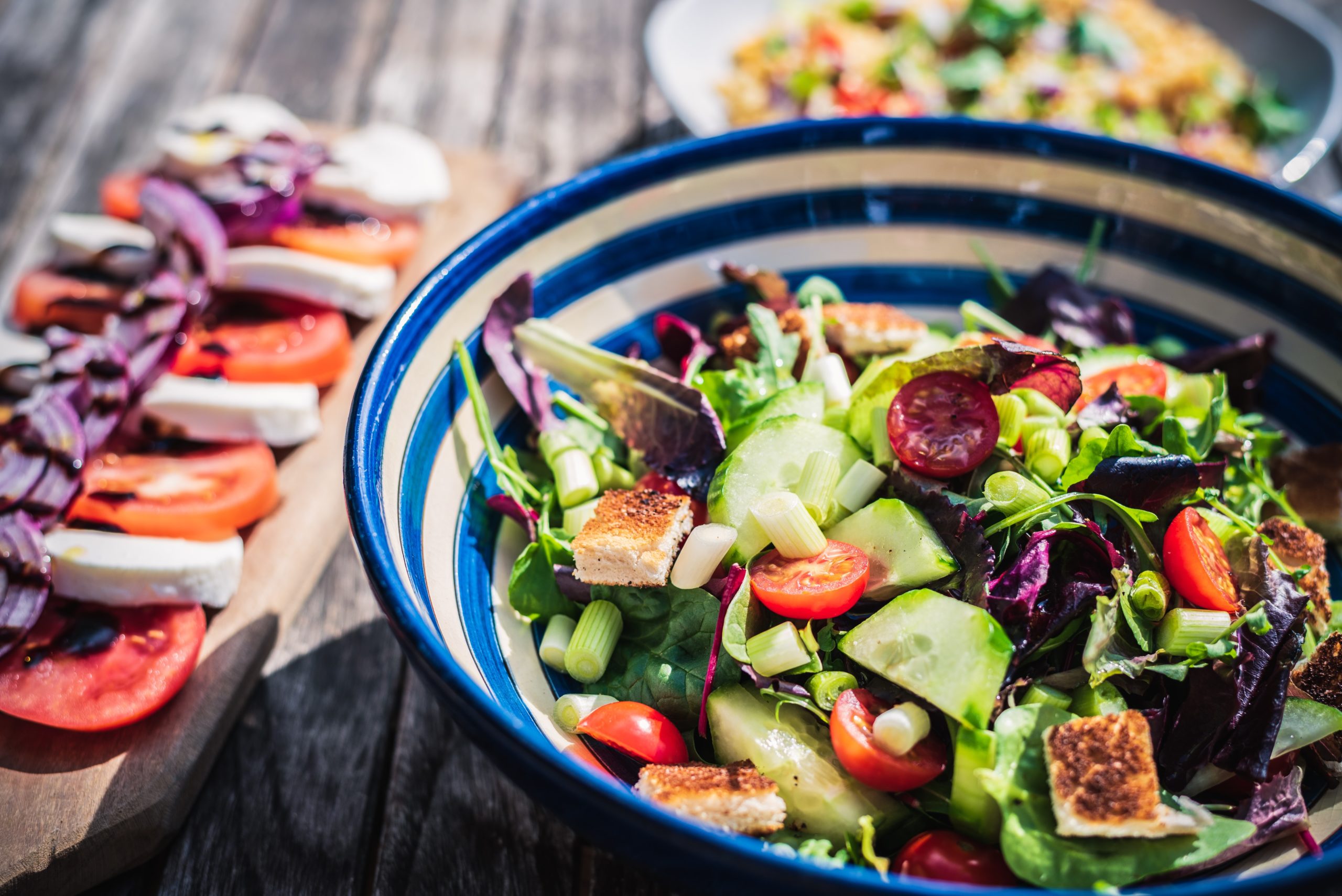
The Mediterranean diet is well known for its reduce the risk of heart disease and stroke, but can also have positive benefits for our mental health. The Mediterranean diet is a plant-based diet that includes the flavours and recipes of the region. This diet is rich in whole grains, legumes, fruits, nuts and olive oil.
The Japanese Diet
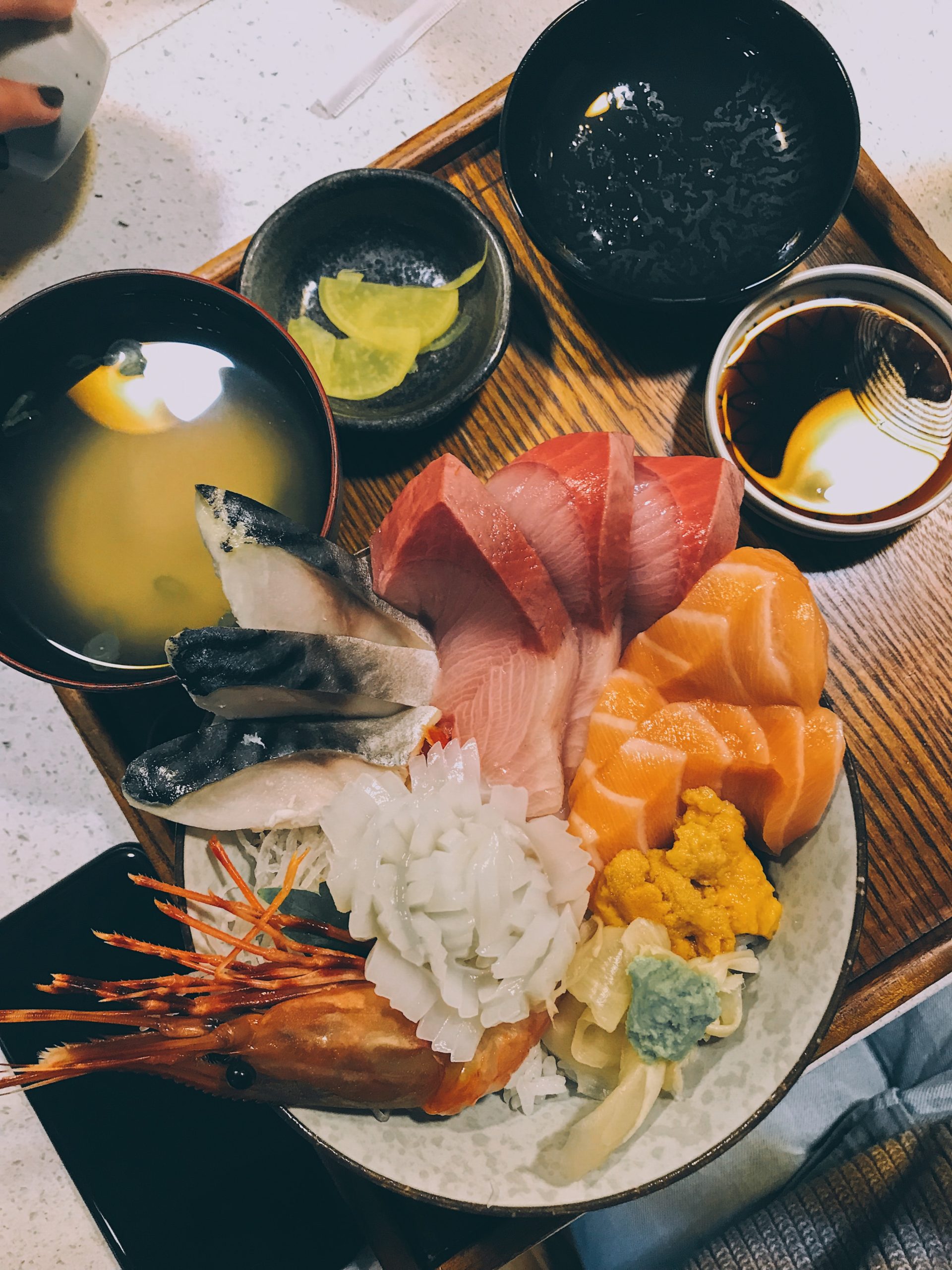
Similar to the Mediterranean diet, the Japanese diet is rich is many nutrients. It is also associated with a decreased risk of heart disease and stroke. The Japanese diet is rich in rice, pickled fruits and vegetables, seaweed, tofu, fish and meat. One of the key elements of the Japanese diet is its low amounts of added salts and fats, which can have an impact on our gut microbiota.
Strategies for Improving mood with food
Intuitive Eating: The Role of Meal Planning
Many people find that learning to eat intuitively helps them reconnect with their body’s natural hunger and satiety signals. This mindful approach to eating can reduce stress around food and support a healthier gut-brain connection. Learn more practical tips in our guide: Intuitive Eating: The Role of Meal Planning.
Emotional Eating Therapy
Emotional eating is one of the common ways stress and mood affect our relationship with food. Understanding and working with this behaviour can help restore balance to both our eating patterns and unserr gut microbiome. Explore the topic further in: Emotional Eating Therapy.
Journal Writing
For those on a recovery journey, journaling can be a powerful tool for self-reflection and healing. These prompts help readers explore their relationship with food and mental health in a safe way. Read our collection of prompts in: Eating Disorder Recovery Journal Prompts.
Top Foods for Your Gut Health and Mental Health
Beyond the general science of the gut-brain axis, many readers want concrete, everyday tips on which foods can directly improve mood. Our practical guide walks you through top foods and simple changes you can make today.
- Avocados
- Whole grains
- Yogurts
- Spinach
- Nuts
- Olive oil
- Dark chocolates
- Tomatoes
Check it out in: Improving Your Mood with Your Food.
Lifestyle Habits That Support the Gut-Brain Connection
What we eat is only one piece of the puzzle. Several lifestyle factors also influence the health of our gut microbiome and mental well-being:
- Stress management — Guided meditation, deep breathing, mindfulness, yoga, and prayer or spiritual practices can lower the “fight-or-flight” response and support the “rest-and-digest” phase.
- Quality sleep — Poor sleep disrupts the gut microbiome and increases stress hormones.
- Regular physical activity — Exercise supports microbial diversity and reduces inflammation.
- Limiting alcohol and smoking — Both can damage beneficial gut bacteria.
Important Disclaimer
Although our diet can have a big impact on our mental health by affecting the bacteria in our gut, we cannot control or cure mental health conditions through diet alone. Diet is a supportive tool, not a replacement for professional medical care. Always consult your physician or a registered dietitian before making major dietary changes, and do not stop or change medications without medical supervision.
How to Improve Your Gut Health and Mental Health – Practical Steps
Here’s a simple action plan you can start today:
- Add one probiotic-rich food daily (yogurt, kefir, sauerkraut, kimchi, or kombucha).
- Increase prebiotic fibre by eating more vegetables, fruits, nuts, seeds, and whole grains.
- Practise 5–10 minutes of deep breathing or mindfulness daily.
- Aim for 7–9 hours of quality sleep.
- Reduce ultra-processed foods and added sugar.
FAQ
Can probiotics cure depression?
No. Probiotics show promise for supporting mood, but they are not a cure for depression or any mental health condition.
How long does it take to see mood improvements from diet changes?
Some people notice benefits within a few weeks, but results vary. Consistent changes over 4–8 weeks are typically needed.
Are probiotic supplements better than food?
Food sources are generally preferred, but supplements can be useful when food intake is limited. Consult a registered dietitian for personalised recommendations.
Is the Western diet bad for mental health?
Large studies link the typical Western diet with higher rates of depression compared to Mediterranean and Japanese diets.
Do I need to follow the Mediterranean or Japanese diet strictly?
No. Even small shifts toward more plant-based, fibre-rich foods can support gut and brain health.
Can stress really change my gut bacteria?
Yes. Research shows that stress can alter the composition of the gut microbiome, and changes in the microbiome can also influence stress responses.
Conclusion
The tiny bacteria living in our gut can influence our mental health. Foods in our diet contain nutrients that promote the growth of healthy gut bacteria and therefore support our mental health. By combining a gut-friendly diet with stress-management techniques and healthy lifestyle habits, you can strengthen the powerful gut-brain connection.
If you would like personalised guidance, book a FREE Discovery Call with our team.Take Away
The tiny bacteria living in our gut can influence our mental health. Foods in our diet contain nutrients which promote the growth of healthy gut bacteria and therefore support our mental health.
Although our diet can have a big impact on our mental health by affecting the bacteria in our gut, we can’t control or cure our mental health using our diet and we should not disregard medications and other therapies.